
Traditional diets rich in vegetables, fruits, lean proteins, and whole grains provide combinations of nutrients that build resilience against mood disorders. Eating patterns dominated by ultra-processed foods reliably pull mood down. The research behind both patterns is now substantial.
A 2024 study in the BMJ examined data from more than 9 million people across dozens of studies and found that higher ultra-processed food consumption was associated with a 48 to 53 percent higher risk of anxiety and common mental disorders. Whole foods supply the nutrients the brain needs to regulate itself. These ten are among the most thoroughly researched as foods antidepressants that function similarly to pharmaceutical options.
1. Fatty Fish
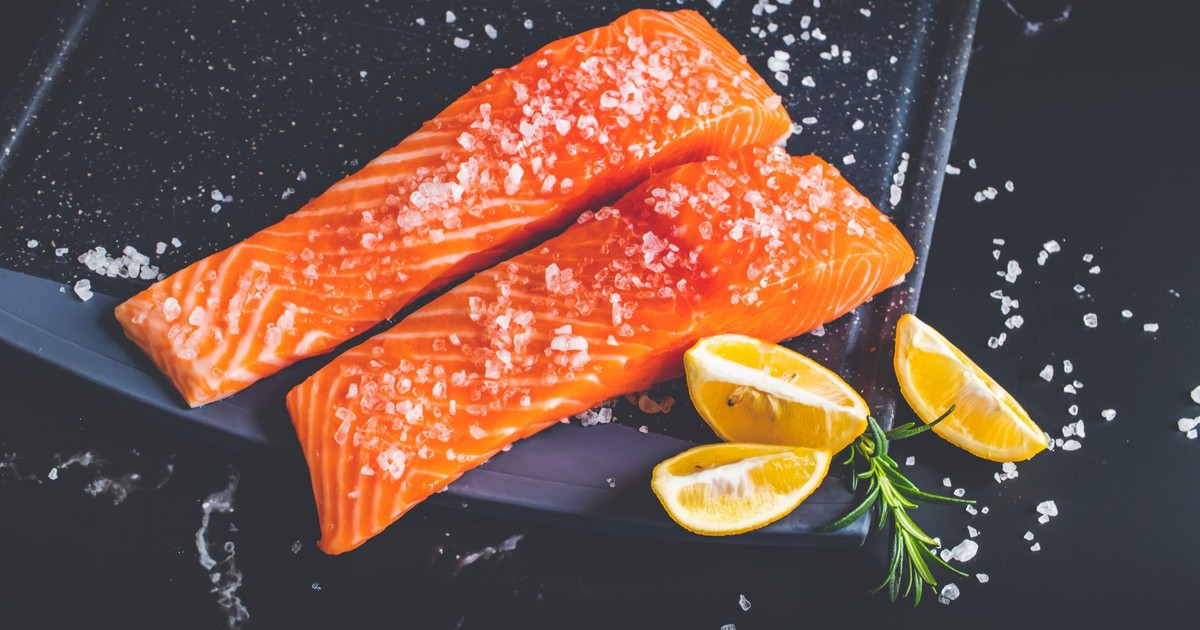
Salmon, mackerel, sardines, and herring provide long-chain omega-3 fatty acids, EPA and DHA, which are incorporated into brain cell membranes, improving fluidity and communication between neurons. EPA and DHA carry anti-inflammatory properties that research has linked to reduced depressive symptoms.
A 2025 systematic review of randomized controlled trials covering studies published between May 2022 and May 2024 found that higher doses of EPA above 1 gram per day improved measures of depression, particularly in people with elevated inflammation markers, comorbid cardiovascular disease, late-life onset depression, and in children and adolescent populations. Two to three servings of fatty fish per week gets you into meaningful EPA territory through food alone.
A 2024 study in the Journal of Affective Disorders found that adults who consume four or more servings of fish a week have a 26 percent lower risk of developing depression, compared to those who eat fish less than once a week.
2. Dark Chocolate
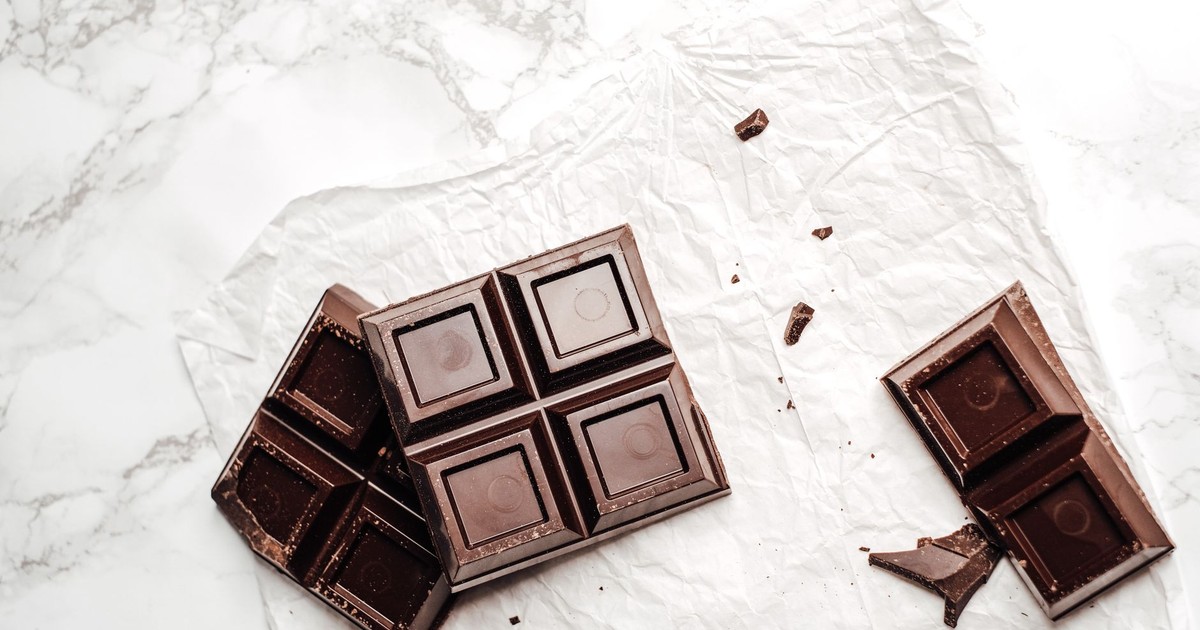
High-quality dark chocolate at 70% cocoa or higher contains compounds that positively affect mood. Clinical trials have shown that its consumption reduces depression scores through flavonoids that improve blood flow to the brain. It also contains tryptophan, the precursor to serotonin, and stimulates the release of endorphins through tyrosine.
Cacao is one of the most concentrated dietary sources of magnesium, a mineral consistently linked to mood regulation and anxiety reduction. Most of this applies to high-cocoa dark chocolate, not milk chocolate, which typically has far less cacao and substantially more sugar. A couple of squares of 70%+ dark chocolate after dinner is genuinely useful. Half a milk chocolate bar is a different conversation.
3. Fermented Foods
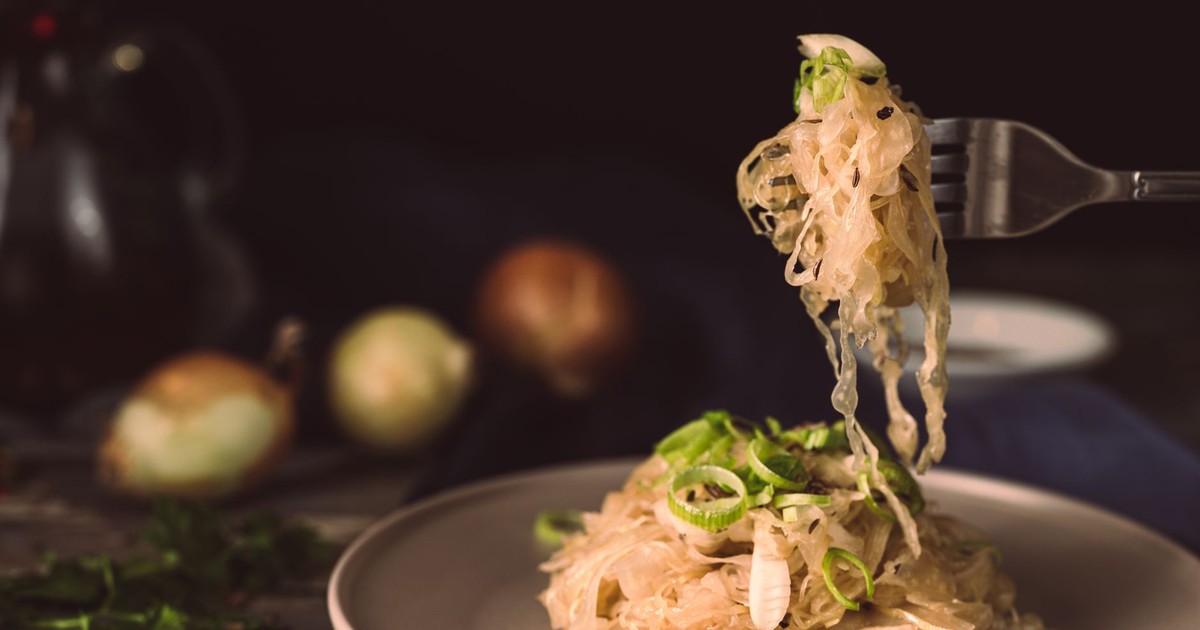
Kimchi, sauerkraut, kefir, yogurt, miso, and kombucha deliver live bacteria directly to the gut. The gut produces roughly 95 percent of the body’s serotonin, and fermented foods help populate the gut with healthy bacteria that bolster mood by rebalancing the ratio of good to bad bacteria in the microbiome.
A 2023 meta-analysis in PLOS One covering 83,533 participants found statistically significant evidence that fermented dairy food intake was associated with decreased depression risk. In subgroup analysis, both cheese and yogurt consumption were significantly associated with reduced risk. Yogurt with live cultures at breakfast, or kimchi alongside a grain bowl at lunch, are simple entry points that require no overhaul of an entire diet.
4. Leafy Greens
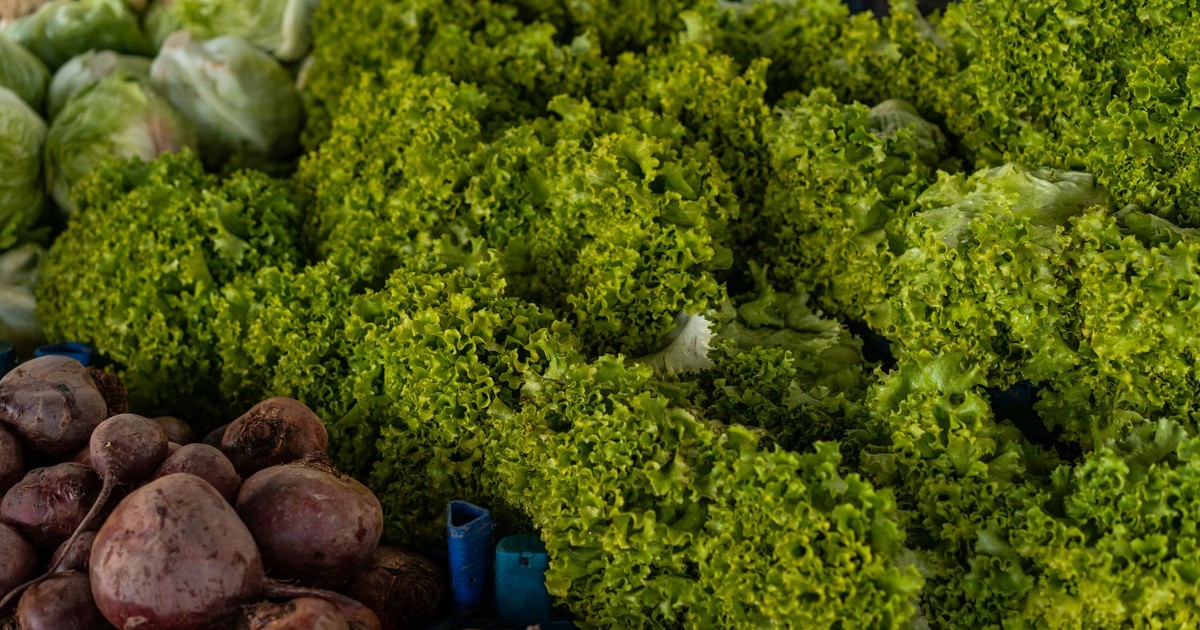
Spinach, kale, Swiss chard, and collard greens are folate-dense. Folate, or vitamin B9, is essential for brain function and mood regulation. It helps produce neurotransmitters like serotonin and dopamine, and folate deficiency is linked to more severe depressive symptoms.
Folate deficiency is more common than most people assume, particularly among people who drink regularly, those on certain medications like methotrexate, and anyone whose diet skews heavily toward processed food. A large salad of dark leafy greens daily, or spinach folded into eggs or pasta, delivers a reliable hit of this B vitamin without any supplementation required.
The quercetin content of leafy greens adds another layer. Quercetin, a phytochemical found in plant foods, has been identified in laboratory studies as a weak MAO-A inhibitor, an effect that may support serotonin availability in the brain. Kale, in particular, is high in quercetin.
5. Berries
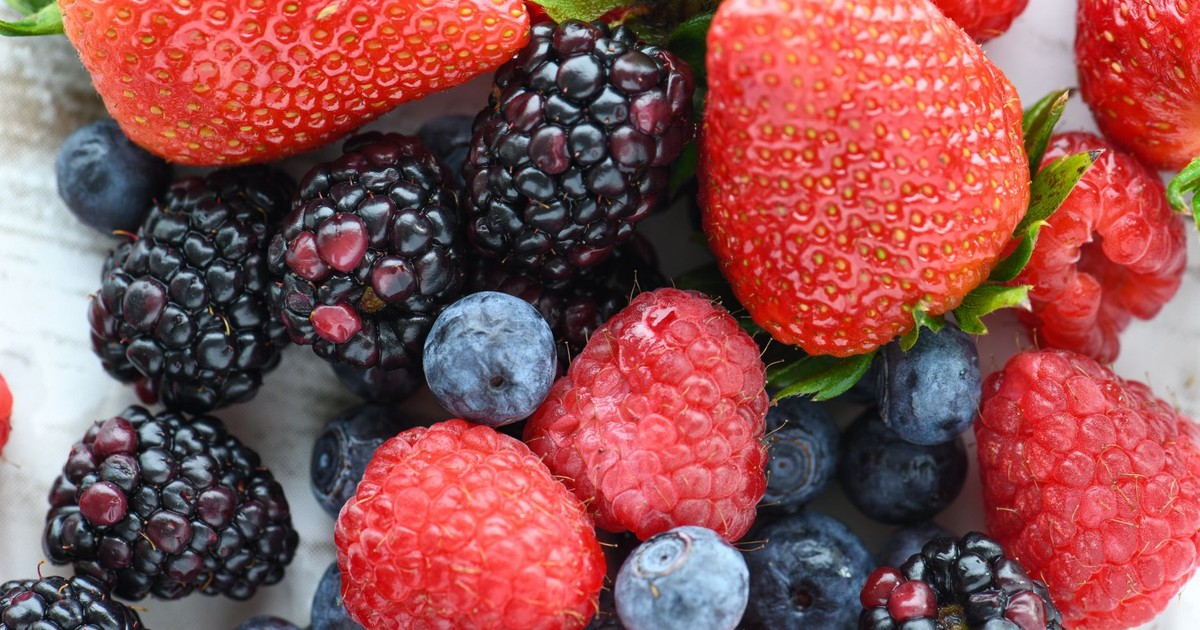
Blueberries, strawberries, blackberries, and raspberries carry a class of antioxidants called anthocyanins, responsible for their deep colors. Higher intake of these compounds is linked to lower depressive symptoms partly because they help regulate cortisol, the body’s primary stress hormone. Berries are also rich in vitamin C, which research consistently associates with reduced anxiety and fatigue.
Chronic stress keeps cortisol elevated, and chronically elevated cortisol is associated with structural changes in the hippocampus, the part of the brain involved in memory and emotional regulation. A cup of mixed berries a day is an easy addition. Frozen berries retain their anthocyanin content and cost considerably less than fresh.
6. Walnuts
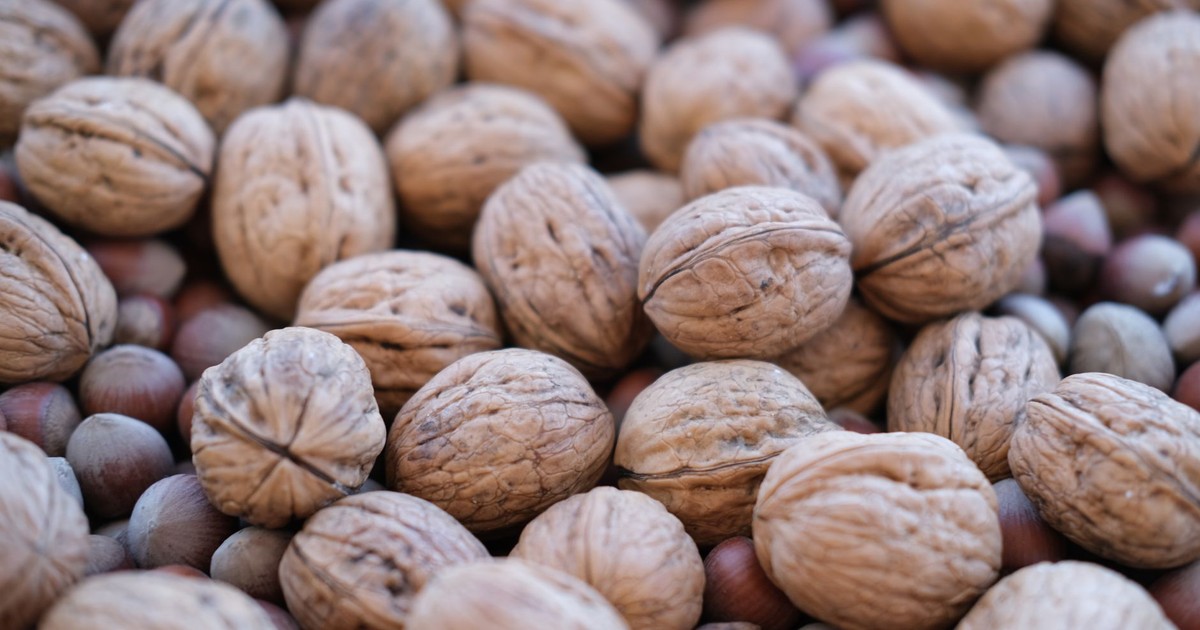
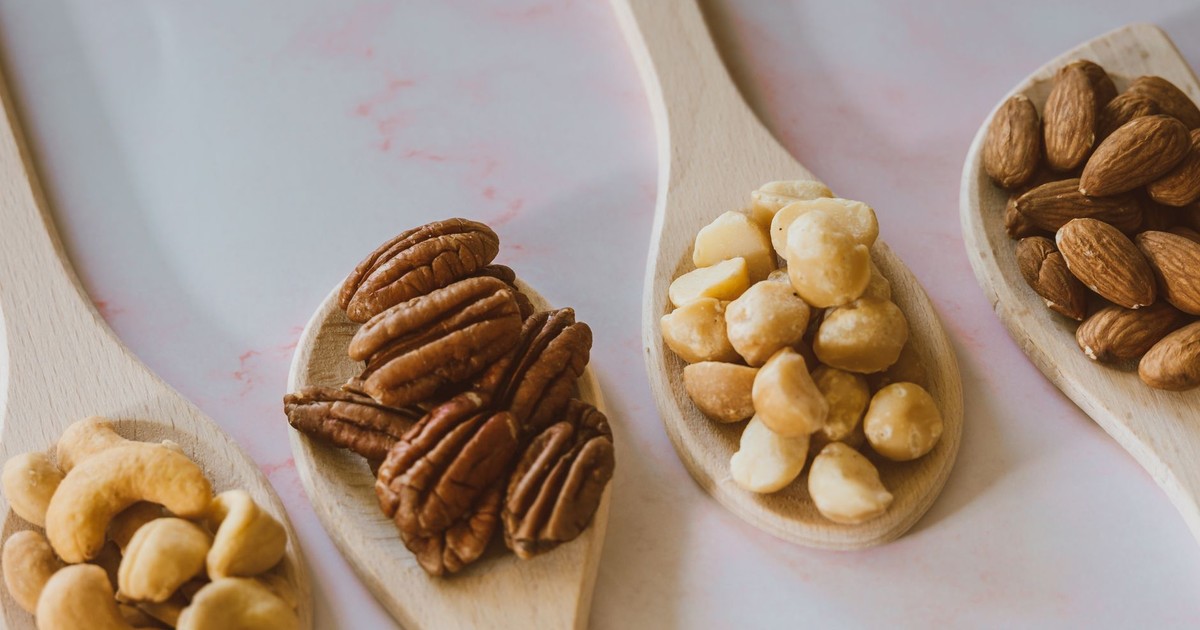
Walnuts contain by far the highest ALA content of any tree nut, providing approximately 2.5 grams of this plant-based omega-3 fatty acid per one-ounce serving. They’re also rich in melatonin, vitamin E, polyphenols, and folate.
Omega-3 fatty acids, primarily found in fatty fish and nuts, modulate dopamine and serotonin pathways. They reduce inflammation in the brain and protect neurons from damage, two processes that directly influence depressive symptoms and anxiety over time. Diets low in tryptophan, another compound found in walnuts, also impair serotonin production, which contributes to depressive symptoms.
A small handful, around 28 grams or roughly 7 whole walnuts, is the amount most studies use as a daily target. They work well as an afternoon snack on their own, chopped into oatmeal, or stirred through a salad where the fat from the walnut also helps with absorption of fat-soluble vitamins from any greens alongside them.
7. Eggs
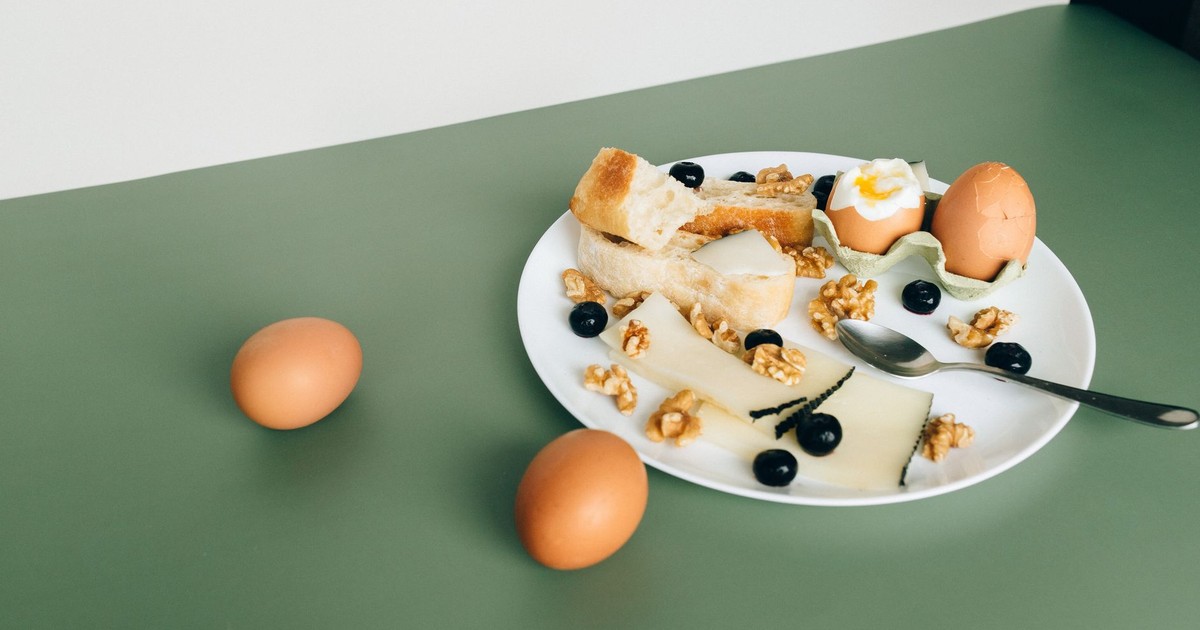
Eggs are one of the most complete dietary sources of choline, a nutrient involved in the production of acetylcholine, a neurotransmitter that regulates mood and memory. They also deliver tryptophan, the amino acid precursor to serotonin, alongside B12, selenium, and vitamin D in the yolk.
Tryptophan, an essential amino acid found in protein-rich foods, converts into serotonin, and a diet consistently short on tryptophan can drag that production down. Eggs are one of the most efficient ways to keep the supply chain intact.
Two large eggs provide approximately 294mg of choline, more than half the daily adequate intake for women and just over half for men, a population group in which choline intake frequently falls below recommended levels. The yolk is where the mood-relevant nutrients sit. Eating only egg whites sidesteps the nutrition that makes eggs genuinely useful for brain health.
8. Bananas
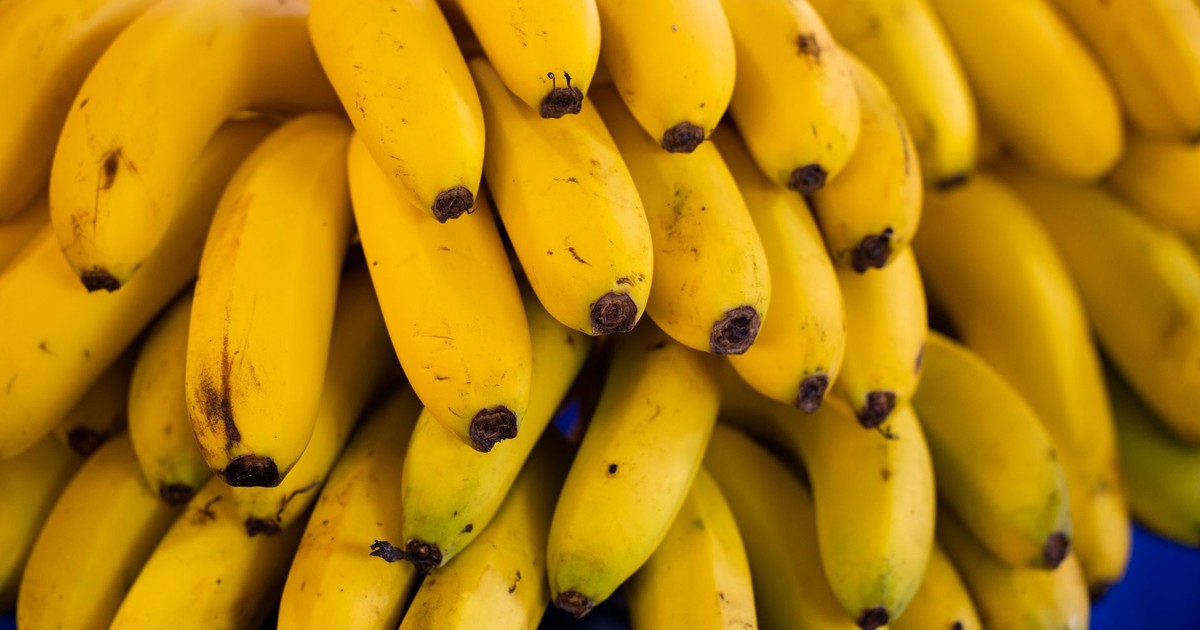
Bananas deliver tryptophan, vitamin B6, and natural sugars together in one package. B6 is required for the conversion of tryptophan into serotonin. Without enough B6 in the system, tryptophan can’t complete the conversion and the raw material goes unused. Consistent intake of vitamin B6 supports mood from the ground up, contributing to the production of serotonin, dopamine, and GABA, three neurotransmitters that govern emotional regulation.
Bananas also provide magnesium and potassium, and their natural sugars come packaged with fiber, which means a slower glucose release than a candy bar would produce. Blood sugar crashes reliably produce irritability, fatigue, and low energy, all of which compound low mood. A banana as a mid-morning snack keeps glucose steadier than reaching for something processed.
9. Saffron
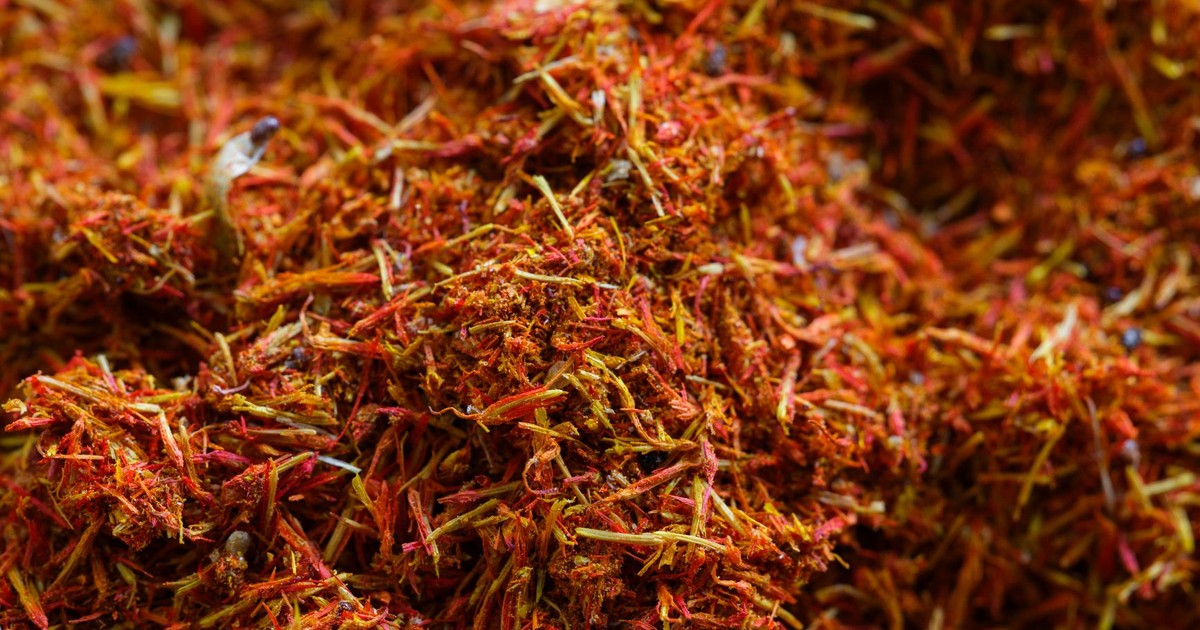
Saffron is the most expensive spice in the world by weight, but the amount required to produce a mood effect is small enough to make it practical. The relevant dose in studies is around 30mg per day, which is roughly a small pinch of the dried threads steeped into warm liquid. A daily dose of approximately 30mg of saffron significantly improves depressive symptoms.
The active compounds, crocin and safranal, appear to modulate serotonin reuptake in a way that resembles how SSRIs function, though the effect size is more modest and the evidence base is smaller. A practical way to use saffron regularly is to steep a small pinch in two tablespoons of warm water for ten minutes before adding it to rice, soups, or warm milk. The steeping releases the bioactive compounds more effectively than dry cooking alone.
10. Avocado
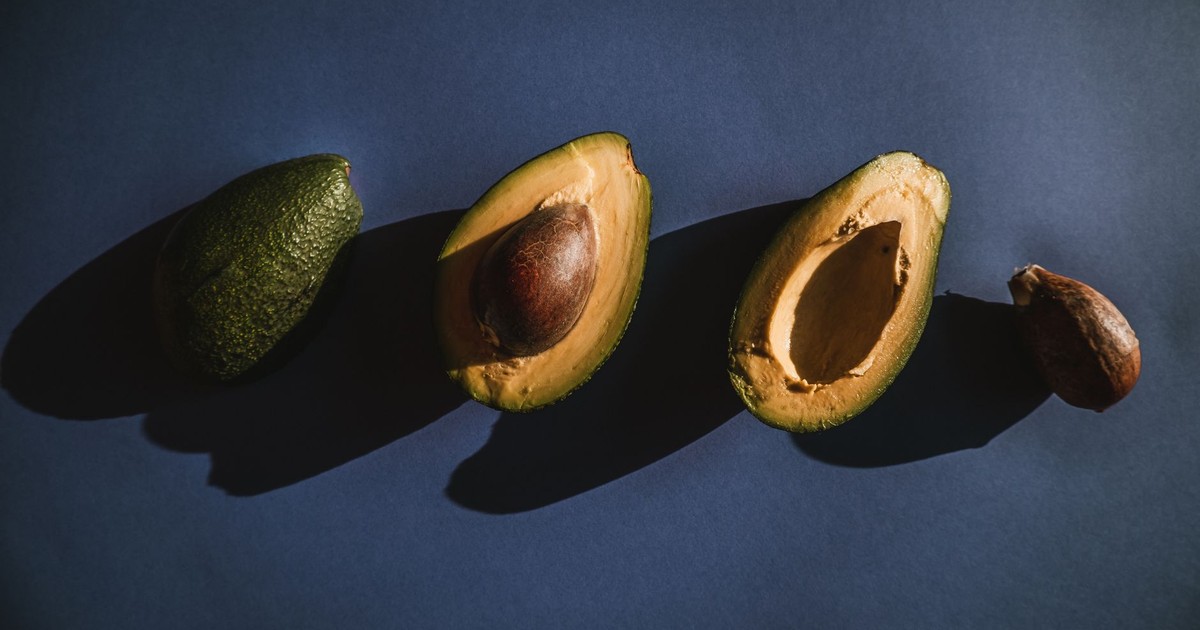
Avocados are rich in folate, B vitamins, and tyrosine, the amino acid precursor to dopamine and norepinephrine. Avocado is particularly rich in tyrosine, from which dopamine and norepinephrine are produced, two neurotransmitters that influence motivation and feelings of wellbeing. It also contains tryptophan and B-group vitamins, which benefit the nervous system, as well as magnesium.
The brain is approximately 60 percent fat, and the monounsaturated fats in avocado support cell membrane integrity and help with the absorption of fat-soluble vitamins, including vitamins D, E, K, and the carotenoids found in leafy greens eaten alongside them. Half an avocado provides around 487mg of potassium, more than a banana, along with roughly 10% of the daily magnesium target.
Avocado works on toast, in smoothies, stirred into eggs, or eaten plain with salt. Half an avocado several times a week hits the nutritional range that researchers associate with meaningful benefit, without requiring any elaborate preparation.
Patterns Over Single Foods

High-quality diets characterized by higher intake of fruits, vegetables, fish, and whole grains have been consistently linked to improved wellbeing and reduced likelihood of depression. A Mediterranean-style diet, rich in fruits, vegetables, olive oil, fish, and legumes, has shown the most robust evidence for mental health benefits, with studies indicating it reduces the risk of depression and anxiety across multiple randomized controlled trials.
Most of the ten foods listed here appear regularly in a Mediterranean-style diet. None of them require an expensive supplement, a specialty health store, or a radical overhaul of how someone eats. What they require is consistency. Salmon twice a week, a handful of walnuts most afternoons, a daily banana, leafy greens in whatever form is most appealing. The research on foods as natural antidepressants consistently points to cumulative effect rather than single-food intervention. No one food fixes anything. A pattern of eating that prioritizes these foods over months and years builds a biological environment where the brain has what it needs to regulate mood, reduce inflammation, and keep neurotransmitter production running as it should.
These Are Inputs, Not Treatments
None of this replaces professional care for clinical depression. These are inputs, not treatments. But they are inputs that most people have direct control over, three times a day, every day, which is more leverage than it might initially seem.
Tryptophan without enough B6 doesn’t convert to serotonin. Omega-3s at one serving a week don’t reach the levels the clinical trials are working with. The individual foods matter less than whether they’re showing up regularly. A diet that rotates fatty fish, leafy greens, fermented foods, berries, and walnuts through the week covers most of the nutritional bases that psychiatry and food research keep returning to.
Disclaimer: This information is not intended to be a substitute for professional medical advice, diagnosis, or treatment and is for information only. Always seek the advice of your physician or another qualified health provider with any questions about your medical condition and/or current medication. Do not disregard professional medical advice or delay seeking advice or treatment because of something you have read here.
AI Disclaimer: This article was created with the assistance of AI tools and reviewed by a human editor.