

The argument that happens most often after a European heatwave is about whether authorities did enough. This June, that argument is already forming, and the deaths haven’t stopped being counted. Heat alerts are up across 26 countries, from Ireland to Greece. Governments are making decisions they didn’t plan for. Paris has banned alcohol in public spaces. Germany’s national railway advised passengers to avoid travelling entirely. The Eiffel Tower shut its doors mid-afternoon.
This is the second major episode of extreme heat to hit Europe in just two months, and that context is part of what makes June 2026 so alarming. The May wave was brutal. The June one is worse. It arrived on June 21 and is expected to last for a further two weeks across the continent, pressing down on hundreds of millions of people from Lisbon to Bratislava and breaking records that had stood for decades.
The scale of what’s unfolding is not evenly distributed. Some countries have better infrastructure, better emergency response systems, and more political will to act. Others are watching the death toll rise with very few tools to stop it. What follows is a breakdown of how this crisis has unfolded, country by country, measure by measure.
1. Spain: The Epicenter of a Catastrophe in Real Time
Spain has experienced exceptional temperatures, with the weather service AEMET reporting highs above 45°C (113°F) in the south of the country. Nearly the entire country has come under some form of heat alert. On June 22, temperatures peaked at 45.1°C (113.2°F) in Andújar, in southern Spain.
The heatwave has caused 327 deaths since Sunday June 21, according to the Spanish Health Institute Carlos III. Since Spain’s annual heat surveillance season began in mid-May, the Institute has registered 611 deaths attributed to high temperatures. That second figure deserves a moment. Six hundred and eleven people dead from heat in Spain in just over five weeks. The Health Ministry recorded 101 heat-related deaths in May alone, the highest ever recorded for the month since records began in 2015.
Spain kicked off summer with large parts of the country on alert due to temperatures expected to hover around 40°C (104°F) even in the interior of the Basque region, an area in the north that typically experiences cooler temperatures. Authorities suspended outdoor sports and cultural activities in the region. In a country used to summer heat, the north going into full emergency footing says something about the scale of what’s happening.
2. France: Its Hottest Day Ever Recorded, Then Alcohol Bans and School Closures
France recorded its hottest day ever on Tuesday, June 24, with the average temperature exceeding 30°C over 24 hours for the first time in recorded history. Temperatures rose to 43.8°C in the town of Palluau in western France. To understand what that means in a country where about a third of France is under a “red alert” for heat, and a country where air conditioning isn’t widespread, picture tens of millions of people with no meaningful way to cool down.
The French government banned drinking alcohol in “red alert” zones and ordered organizers of Music Day events to limit alcohol consumption to “preserve emergency services and allow medics to concentrate on taking care of the most vulnerable.” The Paris Police Prefecture went further. Due to the heatwave, the Prefecture announced an alcohol ban on streets and in public spaces in Paris from June 26 at noon through June 28. As Paris and the Île-de-France region were placed under a vigilance rouge canicule (the highest red heat alert), the Prefecture stepped up security measures, with the alcohol ban aimed at reducing the risks linked to the exceptionally high temperatures.
The government mobilized emergency services and military forces for reinforced wildfire readiness, imposed tightened surveillance of water supplies to France’s nuclear reactors, and ordered 845 schools to close on Monday. France also recorded 40 deaths from drowning in the past week as people sought relief in rivers and other bodies of water. For context, about 15,000 older people died in France in the 2003 heatwave, an event that became a national reckoning. That reckoning changed how France handles heat emergencies. The speed and scale of the current response suggests officials remember exactly what happens when they don’t act.
3. The United Kingdom: Built for a Climate That No Longer Exists
The UK registered its hottest June day on Wednesday. The Met Office issued and extended a red extreme heat warning, meaning a risk to life, for London and parts of southeastern England into Friday. The specific record: 36.1°C (96°F), recorded in Gosport, Hampshire on June 24.
Britain’s infrastructure problem is stark. These temperatures may not sound extreme by Mediterranean standards, but they are very uncomfortable and dangerous in the UK, where most houses are not insulated well enough to keep out heat and only around 5% of homes have air conditioning. A Met Office spokesperson told CNN during the May heatwave that “what was around a 1-in-100 year event is now around a 1-in-33 year event.”
East Surrey Hospital declared a critical incident due to surging demand, restricting services to life-threatening emergencies only. Public transport in Paris and the Île-de-France region was disrupted from June 22 to 28, with heatwave conditions forcing some RER and Transilien train cancellations on top of numerous ongoing infrastructure works. The UK faced similar rail disruption, as extreme heat causes tracks to buckle and overhead power lines to sag.
4. Germany and Central Europe: Red Alerts and a New National Record
Germany’s national weather service issued widespread red alerts, including for Berlin, Bonn, Frankfurt, and Cologne. On June 26, a new all-time national record high of 41.3°C (106.3°F) was measured in Saarbrücken, with 23 weather stations simultaneously hitting the old June record, which had been set on June 30, 2019.
Deutsche Bahn offered customers free cancellation of reservations made before June 23, then advised against travel in general due to the high risk, specifically from wildfires, heavy summer rain, and thunderstorms. With temperatures expected to peak in Germany, the Netherlands, and Belgium in the coming days, the heatwave will also extend to Eastern Europe, with severe heat warnings issued for Poland, Croatia, and Hungary.
Belgium issued a heat alert from Wednesday as extreme temperatures are expected to intensify in the days ahead, according to the country’s Royal Meteorological Institute. In Switzerland, Geneva, Basel, and Zürich were also under red alert. Austria announced that temperatures were expected to exceed 35°C (95°F) in all state capitals and reach 39°C (102°F) in Vienna on both June 27 and 28.
5. The Heat Dome Explained
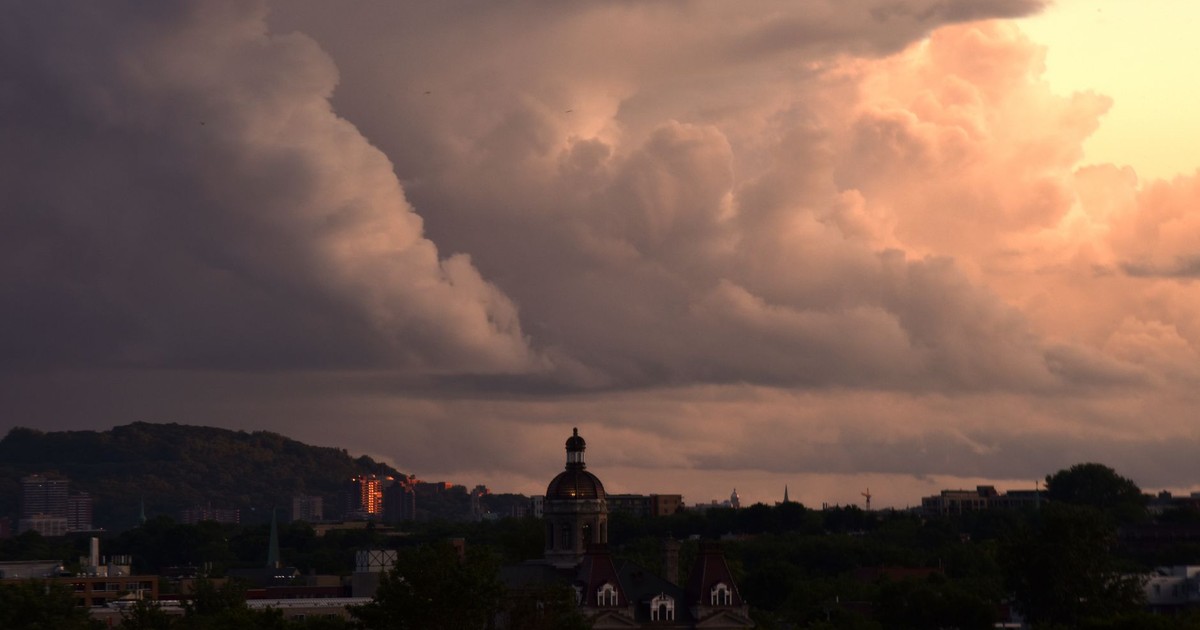
The record temperatures across Europe have been attributed to what is described as a “heat dome,” a persistent area of high pressure that acts like a lid over the land, forcing air to sink and compress. According to a senior research scientist at the National Centre for Atmospheric Science and Department of Meteorology at the University of Reading, speaking to Newsweek, “as the air sinks, it warms up, whilst clear skies allow strong sunlight to heat the ground, which then radiates warmth back into the air.”
Across France, Germany, Italy, Spain, and southern England, temperatures are reaching 5 to 12°C above seasonal averages, driven by this persistent high-pressure system. Following May’s record dry spell, topsoil has been stripped of all moisture, eliminating the Earth’s natural ability to cool itself and turning major urban centers into concrete ovens.
The night temperatures are, in some ways, the more insidious danger. Nighttime is when the body is supposed to recover. When we sleep, our core temperature drops, our cardiovascular system rests, and the cumulative stress of a hot day begins to ease. When nights stay warm, that recovery doesn’t happen. According to the WMO, Armel Castellan, Extreme Heat Technical Advisor at the WHO-WMO Climate and Health Joint Office, explains why minimum temperatures can be more telling than the peak afternoon high: “A day that reaches 38°C but drops to 18°C overnight is very different from a day that reaches 36°C and stays above 25°C through the night. The second scenario carries a much higher health risk.”
6. Who Is Most at Risk
Lachlan McIver, health adviser at the WHO-WMO Climate and Health Joint Office, explained in the same WMO briefing that “prolonged exposure over several days, particularly when temperatures remain high at night, means the body enters each new day already stressed.” Older adults, young children, pregnant women, outdoor workers, and people living with chronic illness are more vulnerable, but “heat stress can affect anyone when temperatures are extreme enough for long enough,” McIver warned.
Laurie Parsons, a reader in Human Geography at Royal Holloway, University of London, told Al Jazeera that “people over the age of 65 account for around 90 percent of mortality from heat stress, whilst exposure to heat more generally is tightly structured by socioeconomic inequalities. Lower-income communities are much more exposed to heat stress due to a combination of more poorly insulated housing and more physical outdoor occupations.”
Only about 20 percent of European homes have air conditioning. In many northern countries, buildings were historically designed to retain heat rather than dissipate it. In warmer months, that design choice turns fatal. During a heatwave, the urban heat island effect adds several degrees to the felt temperature. A regional temperature of 35°C can translate to 38 or even 40°C on a dense city street with no shade, and nights that might otherwise offer some relief stay warmer than the surrounding areas.
7. Climate Change: Why Scientists Say This Was Inevitable
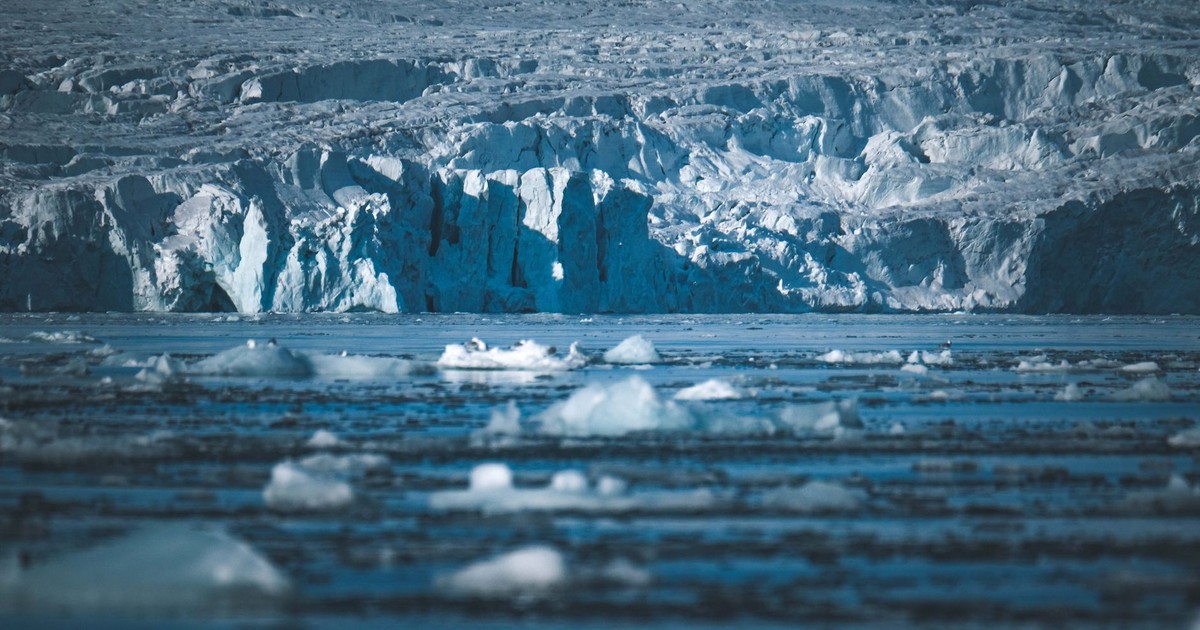
A rapid attribution analysis published by World Weather Attribution found that human-caused climate change is unequivocally to blame for the heatwave. The June temperatures currently being registered would have been “virtually impossible” 50 years ago. A similar heatwave occurring in June 1976 would have been approximately 3.5°C cooler, according to the study. The analysis also found that intense heat is increasing rapidly even within living memory, with such events “tens to hundreds of times more likely since only 2003.”
Europe is the world’s fastest-warming continent, with temperatures rising at about twice the global average rate. More than 62,000 people died from heat-related causes in Europe during the planet’s hottest year on record in 2024. The current trajectory of warming points clearly toward more summers like this one, arriving sooner and lasting longer. Friederike Otto, a professor of climate science at Imperial College London, put it plainly to CNN: “It’s really now a question of what kind of future we want for ourselves, and whether we’re willing to do what it takes to secure it.”
Read More: Dead Duck Found in Reflecting Pool After Trump Advised Using Hydrogen Peroxide
The Numbers Will Keep Rising

The death counts reported this week are not final. Full excess-mortality counts can take weeks to emerge, but national authorities and media have confirmed a high number of fatalities as of June 26. The 327 figure from Spain alone covers six days. The heatwave, as of publication, is projected to continue for another two weeks across parts of the continent.
Six hundred and eleven dead in Spain across five weeks is not the outcome of a well-prepared system. Many homes, schools, transport systems, and energy grids were not designed for prolonged extreme heat, and the gap between what infrastructure can handle and what the climate is now delivering has become a practical emergency. The difference between 2026 and 2003, the last time Europe experienced a heatwave of this magnitude, is that now there is no excuse for surprise. Scientists have been precise about what was coming. Governments have had two decades to retrofit buildings, expand cooling centers, and harden transport networks.
Some of that work has happened. France’s response this week, compared to its catastrophic 2003 silence, shows institutional memory can save lives. But the rest of Europe is running behind, and the summers are not going to wait. The next heatwave is already forming.
AI Disclaimer: This article was created with the assistance of AI tools and reviewed by a human editor.