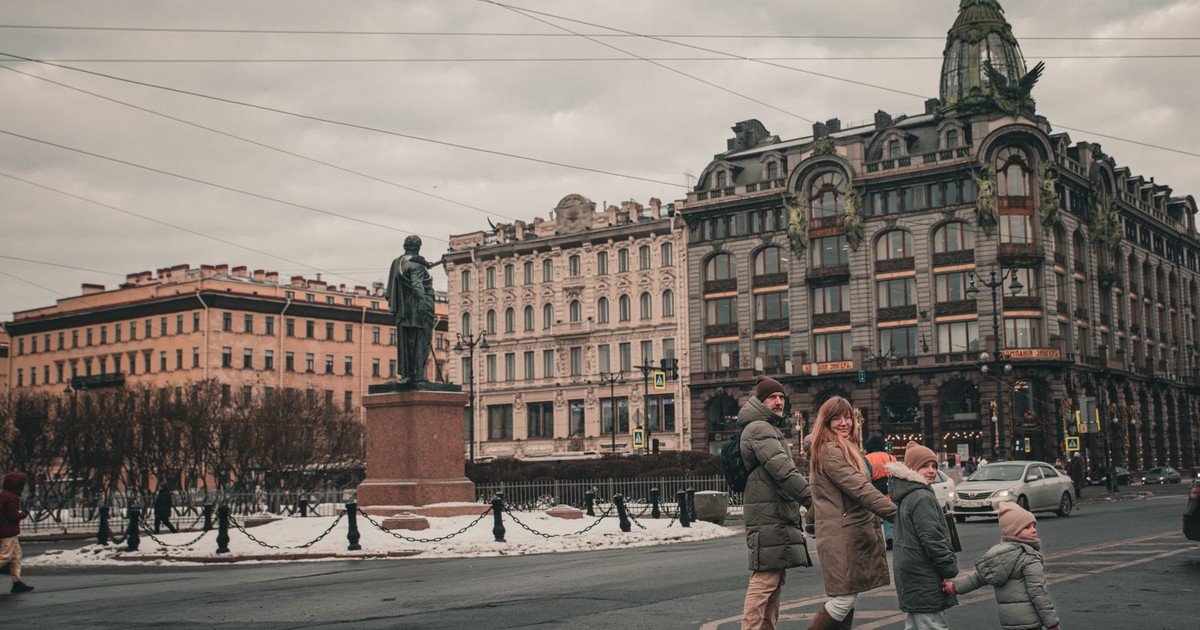

The best family travel cities in Europe aren’t the ones with the most famous skylines. They’re the ones where the tram is easy to figure out, the museum has something for a six-year-old and a twelve-year-old at the same time, and you can find food at 4pm without a reservation. That combination is rarer than it sounds, and it’s why some of Europe’s most celebrated cities don’t appear on this list while a few less-hyped ones rank near the top.
Family travel Europe cities vary wildly in what they actually deliver once you arrive with children in tow. Some are expensive in a way that compounds daily. Some have world-class museums that require a certain age to appreciate, or are gridlocked and oppressively hot in summer. The eight cities here earn their spots by delivering what families actually need: manageable transit, attractions that span age groups, outdoor space, and at least some mercy for parents who didn’t sleep on the flight over.
These aren’t ranked in a strict tier of quality. Every city here is genuinely excellent. The order reflects how well each destination works specifically as a family travel base, from the most comprehensively practical at the top to the most iconic at the end.
1. Prague
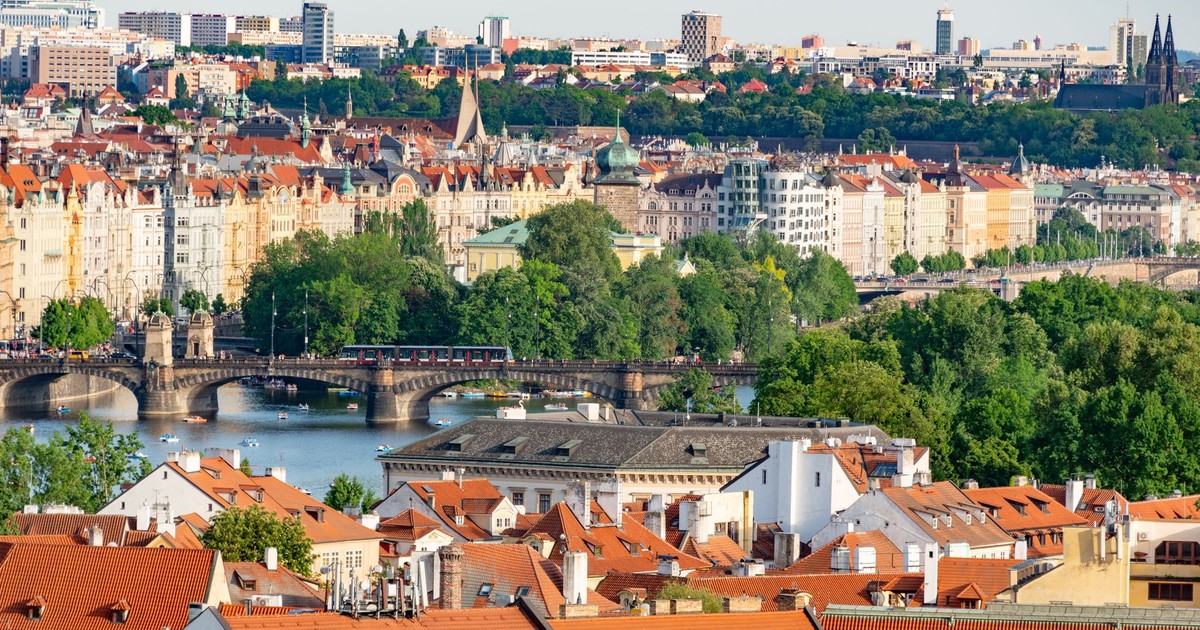
Prague consistently ranks among Europe’s top family travel destinations, with researchers citing its safety record, low travel costs, manageable airport transfers, quality accommodation, clean air, and depth of child-friendly attractions as the key factors. Anyone who has walked Prague’s Old Town with children in tow will understand why.
Prague’s fairy-tale setting leaves a lasting impression on visitors of all ages. Kids get a kick out of the bizarre Dancing House, the interactive exhibits at the Museum of Senses, the chance to explore Prague Castle, and trying to make sense of the Prague Astronomical Clock. These aren’t the kind of dry, stand-behind-the-rope attractions that lose children in twenty minutes. They’re odd, immersive, and tactile.
Prague’s compact downtown makes it an easily walkable city, ideal for families who want to save money on transportation. The tram network is charming and efficient. Kids under 6 ride free, and a 3-day pass for adults costs roughly $17. Families who choose Prague over Copenhagen save $3,000 to $4,000 on a week-long trip and still get gorgeous European architecture.
2. Copenhagen
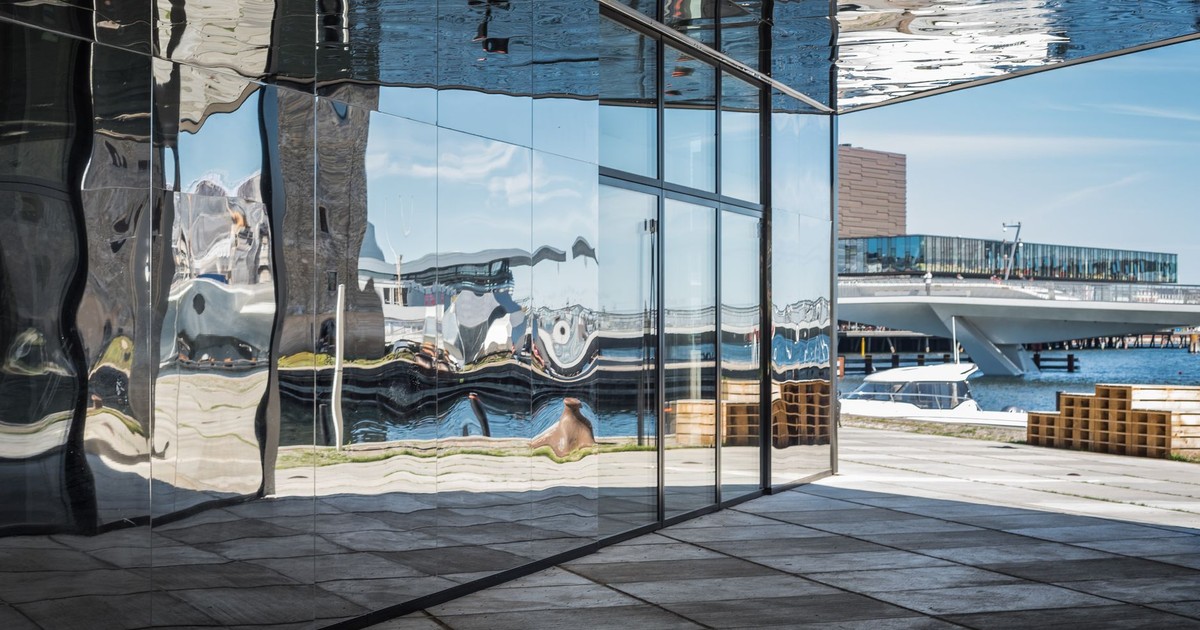
Copenhagen is regularly highlighted by travel publishers as one of Europe’s most family-accessible capitals, with clean air, low traffic congestion, one of the continent’s fastest airport-to-city transfers, and a high public safety record all working in its favor.
Copenhagen is regularly highlighted by travel publishers as clean, compact, and easy to get around with children. City-break guides point to the combination of pedestrian-friendly streets, a dense network of cycle lanes, and reliable metro services as key reasons parents choose the Danish capital for three to four night stays. Major attractions cluster within a small area, cutting down on transit time with younger children.
Tivoli Gardens, the historic amusement park close to the main railway station, and the National Museum of Denmark, which features interactive displays and a children’s museum space, are frequently cited as core stops on family itineraries. Children under 12 ride free when accompanied by a paying adult, and the metro, buses, and S-trains are clean and well-connected. The Copenhagen Card covers all transit. A family can arrive, drop their bags, and be somewhere genuinely exciting within thirty minutes of landing.
3. Amsterdam
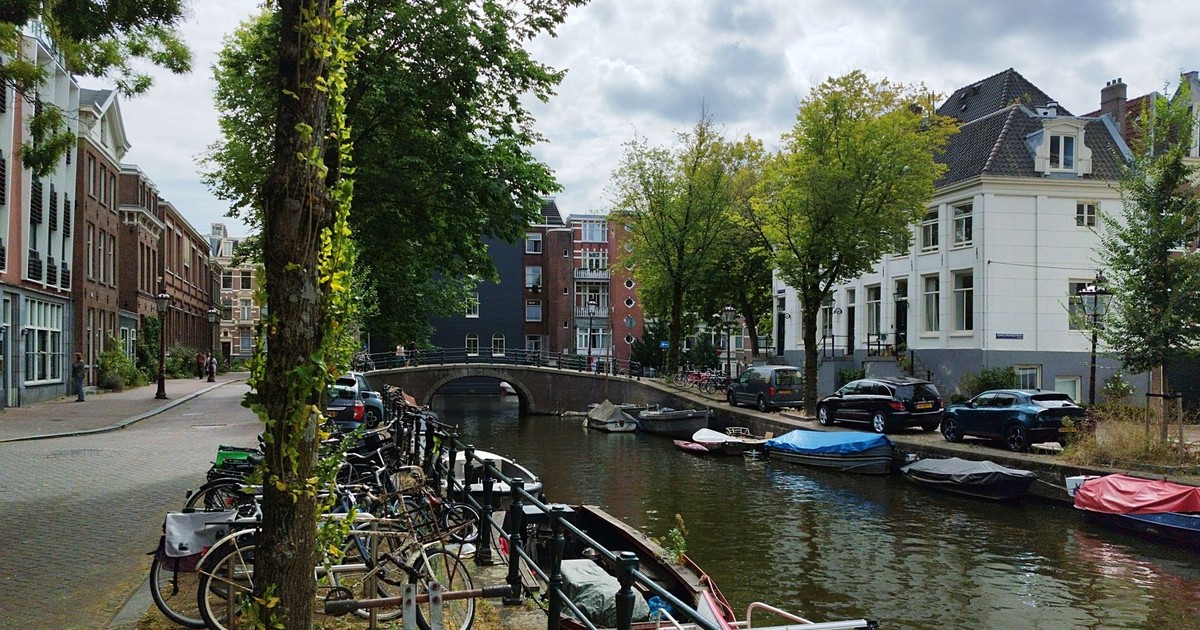
Contrary to Amsterdam’s free-spirited reputation, families visiting the Netherlands’ capital will find loads of kid-friendly attractions, including the ARTIS Amsterdam Royal Zoo and Zandvoort beach. The city’s canal network, which looks like a storybook from a child’s height, sets an atmosphere that no theme park can replicate.
Opportunities for learning and culture abound at sights like the Anne Frank House, the Moco Museum, and the Van Gogh Museum. Thanks to the city’s bike-friendly atmosphere, families can soak up the scenery on a bike tour before finishing the day with a sticky stroopwafel. Amsterdam has more cycling infrastructure than almost any other major European city, and children old enough to ride confidently will remember it as a highlight of the whole trip.
Amsterdam’s Vondelpark has excellent playgrounds and enough ducks to keep a toddler occupied for hours. For a rainy afternoon, NEMO Science Museum, a five-floor interactive science centre shaped like a ship’s bow, is one of the best child-focused museums in Europe. The city’s canal boat tours are also an easy, low-energy option when the legs give out, which happens sooner than anyone plans for with children.
4. Vienna
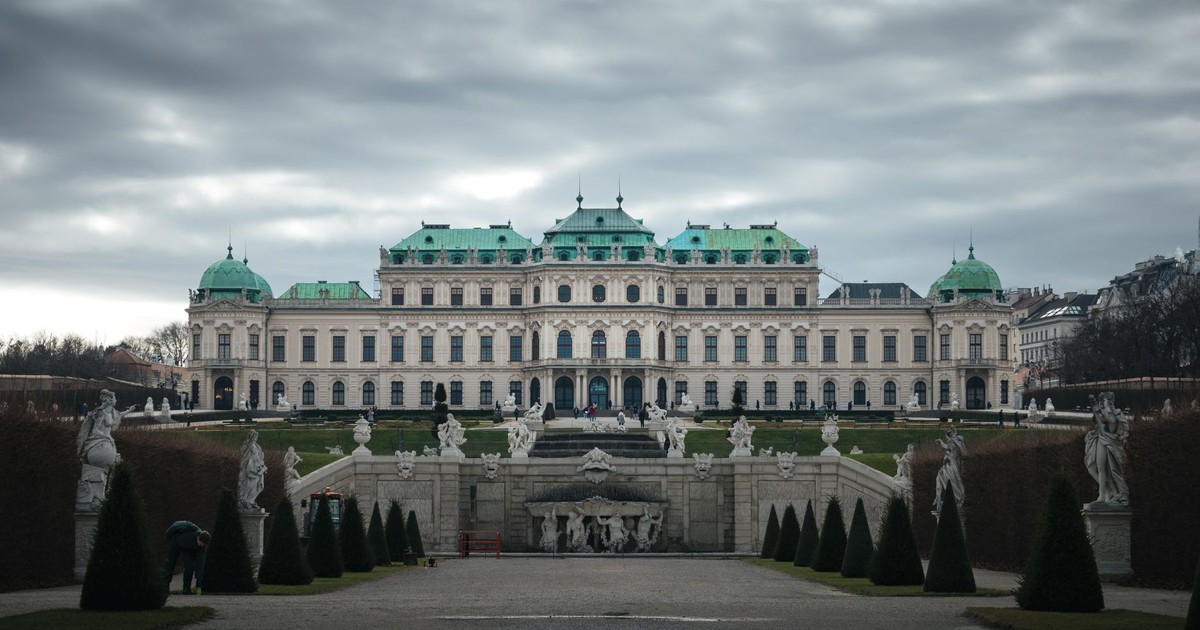
Vienna is home to the Prater, the second oldest amusement park in the world, and Schönbrunn Zoo, the world’s oldest zoo. Both are priced and paced for families. The Prater’s giant Ferris wheel, the Riesenrad, has been operating since 1897. There is something quietly thrilling about riding something that old with a child who has no frame of reference for how remarkable that is.
If kids appreciate music or play an instrument, Vienna’s House of Music is a standout. The museum highlights works from the city’s famous musicians, including Mozart and Schubert, through interactive exhibits. The swimmable beaches along the Danube River and the numerous public playgrounds sprinkled throughout the city ensure kids have plenty of places to explore.
Vienna stands out for its family transit policies: under-6s always ride free, and children under 15 ride free on Sundays, holidays, and school breaks. A 72-hour Vienna City Card costs around €29 (roughly $33) and covers all transit plus discounts at over 200 attractions. Daily costs vary considerably by accommodation choice and itinerary, making Vienna a mid-range option between Prague and Paris. It’s the city that rewards parents who want cultural substance without paying Paris prices.
5. Barcelona
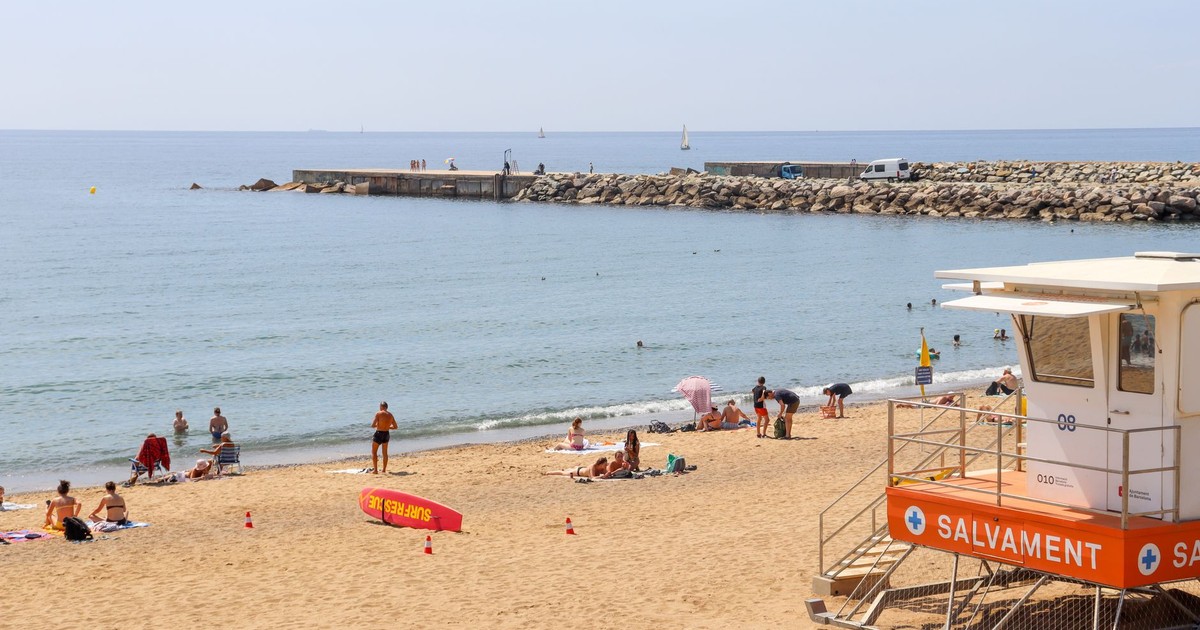
Barcelona earns its place on sheer variety alone. Theme parks, aquariums, beaches, and world-class food are all within easy reach, and the city’s neighborhoods are endlessly explorable for families of all ages. That combination is harder to find than it sounds. Most cities are strong in one category and thin in another.
High-speed rail links mean Barcelona can be paired easily with Madrid or Valencia on a multi-stop holiday, but many families are choosing to stay for several days, combining beach time at urban stretches of sand with visits to Park Güell, Montjuïc, and the city’s large aquarium. Park Güell’s mosaic terraces and winding paths, designed by Antoni Gaudí, are the kind of place where children will run ahead and adults will stop walking to stare.
Barcelona is the better choice for parents with toddlers who need beach time and a forgiving schedule. The city’s Mediterranean pace is genuinely more relaxed than London or Paris, restaurants open late and welcome children as a matter of course, and the beaches are a ten-minute metro ride from the Gothic Quarter. When a three-year-old hits the wall at 4pm, having a beach on standby changes the entire calculus of the day.
6. Rome
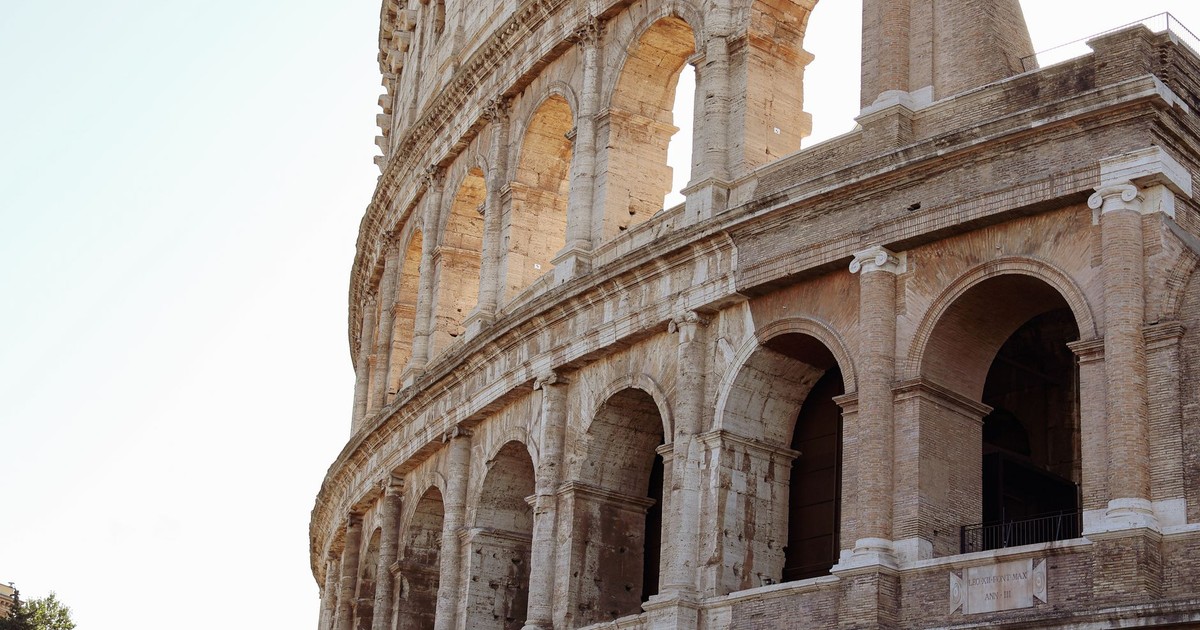
In Rome, families can brush up on ancient history at the Colosseum and the Pantheon. With plenty of piazzas where children can roam and kid-friendly museums like the Mostra di Leonardo (which includes more than 65 models of Leonardo da Vinci’s inventions), Rome is an educational city to explore at any age.
Rome also solves the pickiest-eater problem that plagues family travel in Europe. Pizza by the slice costs $3 to $4, gelato is everywhere, and most trattorias have a pasta option that even a fussy 6-year-old will eat. Italian culture welcomes children in restaurants in a way that can feel very different in Paris or Amsterdam.
The Colosseum and Roman Forum are jaw-dropping for kids who’ve studied ancient history, but a 4-year-old won’t care much about ruins. Villa Borghese gardens offer bike rentals, a small zoo, and rowboat rides. That’s usually the hit with younger children. The practical caveat is timing: August in Rome is brutal, with temperatures above 95°F, humidity, and tourists everywhere. April through May or September through October is a far smarter window.
You can also plan European city trips by season to avoid the worst of the summer crowds and prices.
7. Paris

Paris gets dismissed as a family destination by people who’ve never actually taken children there, and praised beyond reason by people who went once and had a perfect week. The truth is somewhere more useful: it’s a genuinely excellent city for families, as long as you don’t try to do everything.
Disneyland Resort in Paris is home to two theme parks: Disneyland Park and Disney Adventure World (formerly Walt Disney Studios Park, renamed in March 2026). With classic rides like Star Wars Hyperspace Mountain, Pirates of the Caribbean, and Big Thunder Mountain Railway, Disneyland Park delivers the full Disney magic experience. Disney Adventure World is ideal for film fans of any age.
Beyond Disneyland, the Bois de Boulogne (home to an amusement park with rides including swing chairs and mini-rollercoasters), Parc des Buttes-Chaumont (where kids can paddle in a stream on sunny days), and the Jardin des Plantes (with its small zoo and natural history museum) are among the best parks for school-age children. The Seine river cruises are an easy, low-effort afternoon that keeps everyone moving without a hard destination. Paris rewards families who build in breathing room and don’t schedule every hour.
8. London
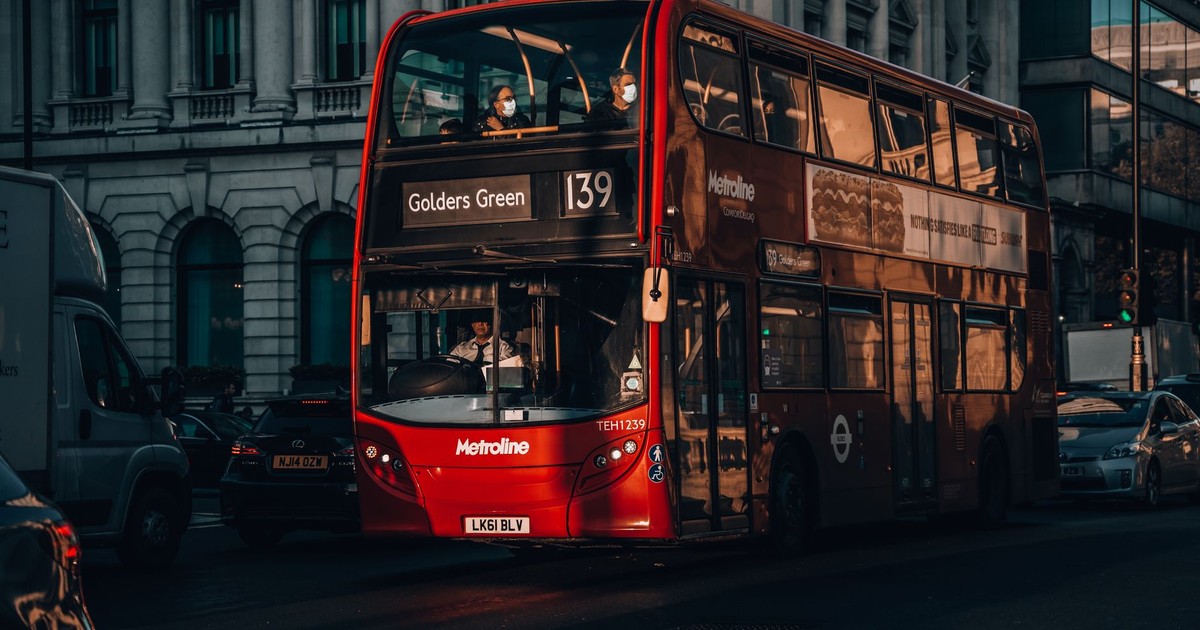
U.S. News Travel named London the top European family vacation destination for 2026, based on a mix of expert opinion, traveler votes, and factors including family-friendly attractions, hotel value, and accessibility. For families making their first European trip, or traveling with children who get anxious about language barriers, the English-speaking ease matters more than it might seem on paper.
The city captivates visitors young and old with London Zoo, the West End theatre district, the London Eye, and Platform 9¾ at King’s Cross Station. Many of the top attractions offer guided tours, which are an excellent way for families to learn about London’s history and culture. The Natural History Museum and the Science Museum, both free to enter and both within walking distance of each other in South Kensington, are arguably the two best free attractions for children anywhere in Europe. A whole morning disappears in each one without a single pound spent.
No other European city lets a family of four fill three solid days of entertainment without spending anything on admission tickets. The tradeoff is cost everywhere else: accommodation, food, and transport in London are among the most expensive in Europe. Book well ahead, eat lunch from supermarkets when you can, and consider staying slightly outside the center for better hotel value without much sacrifice in access.
The Cities That Didn’t Make the Cut (and Why That Matters)

This list is eight cities long, and leaving things off is as instructive as what’s included. Valencia, for instance, is an outstanding family destination that often gets overlooked: the City of Arts and Sciences, the Oceanogràfic aquarium, and the parks running through the dried Turia riverbed are all connected by tram and bus routes. It simply loses out here to Barcelona on overall range. Edinburgh and Dubrovnik are beloved by families and worth serious consideration. Krakow, particularly for budget-conscious travelers, offers much of what Prague delivers at even lower prices.
The honest takeaway from any family travel list is that the ranking matters less than the fit. Best overall doesn’t mean best for every family. Barcelona suits a family who wants beach time baked into the itinerary. Prague suits a family who wants maximum experience for minimum spend. London works best for a first-time European trip with older children who can keep up. The question isn’t which city is objectively greatest. It’s which one matches the specific ages, interests, and tolerance levels of the people you’re actually traveling with, and that’s the only travel research worth doing.
Disclaimer: This information is not intended to be a substitute for professional medical advice, diagnosis, or treatment and is for information only. Always seek the advice of your physician or another qualified health provider with any questions about your medical condition and/or current medication. Do not disregard professional medical advice or delay seeking advice or treatment because of something you have read here.
AI Disclaimer: This article was created with the assistance of AI tools and reviewed by a human editor.