
American travel offers small towns that look exactly as they did in 1887, diner counters where the pie has been sitting under glass since 8am, streets where the storefronts are still doing the work they were built for. Most people who grew up taking road trips can name one specific place they passed through that stuck in memory for reasons they couldn’t entirely explain. Usually it was somewhere that had nothing to prove, nothing to rebrand, and no particular reason to change.
These are not theme parks dressed up as history. The 20 nostalgic travel destinations on this list are places where the past endured because the towns themselves fought for it, or because geography and economics kept the wrecking ball away long enough for people to realize what they had. Some are famous. A few are not. All of them have the specific, slightly disorienting quality of making you feel like you’ve arrived somewhere that existed before you did and will exist long after you leave.
The list skews American, because the American road trip, the seaside resort, the frontier saloon, and the Victorian boardinghouse are all particular kinds of nostalgia that don’t translate anywhere else. These are places shaped by those specific histories.
1. Mackinac Island, Michigan
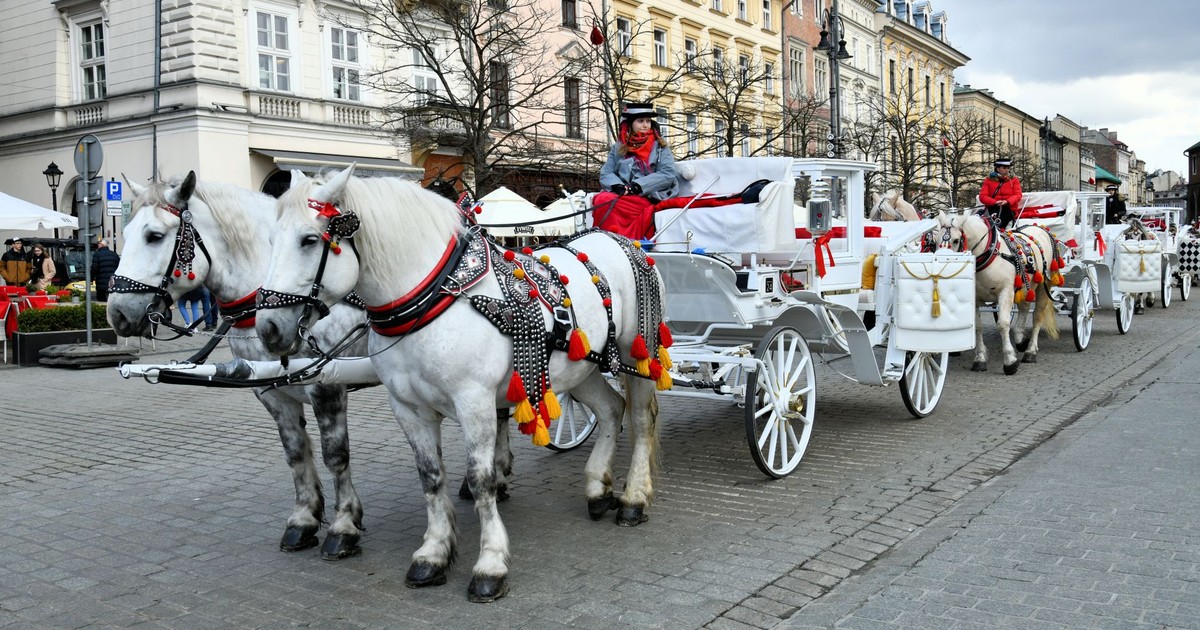
Arriving on Mackinac Island by ferry and watching the waterfront come into focus, the white-painted storefronts, the horse-drawn taxis queued by the dock, the Grand Hotel’s 660-foot porch stretched across the hillside, is one of the more reliably transporting experiences available in American travel. USA Today Reader’s Choice rated the island the “Best Summer Travel Destination” in both 2024 and 2025. Horse-drawn carriages, blooming lilacs, and fudge shops make the island feel like old-world elegance refreshed each season.
About 80% of the island is preserved within Mackinac Island State Park, featuring Fort Mackinac, which dates to 1780. The island’s ban on automobiles has been in place since 1898. When the fort ceased operation as a military outpost, it transferred to state control and became part of Michigan’s first state park. Costumed interpreters run cannon firings and period demonstrations throughout the season. Mackinac Island’s historic site guide details the Biddle House, featuring the Mackinac Island Native American Museum, the Benjamin Blacksmith Shop, and the Richard and Jane Manoogian Mackinac Art Museum, all within the state park.
Late spring and early fall offer the same history with meaningfully thinner crowds and lower rates on lodging. Summer is busy in the way that any beloved island without cars gets busy in August.
2. Cape May, New Jersey
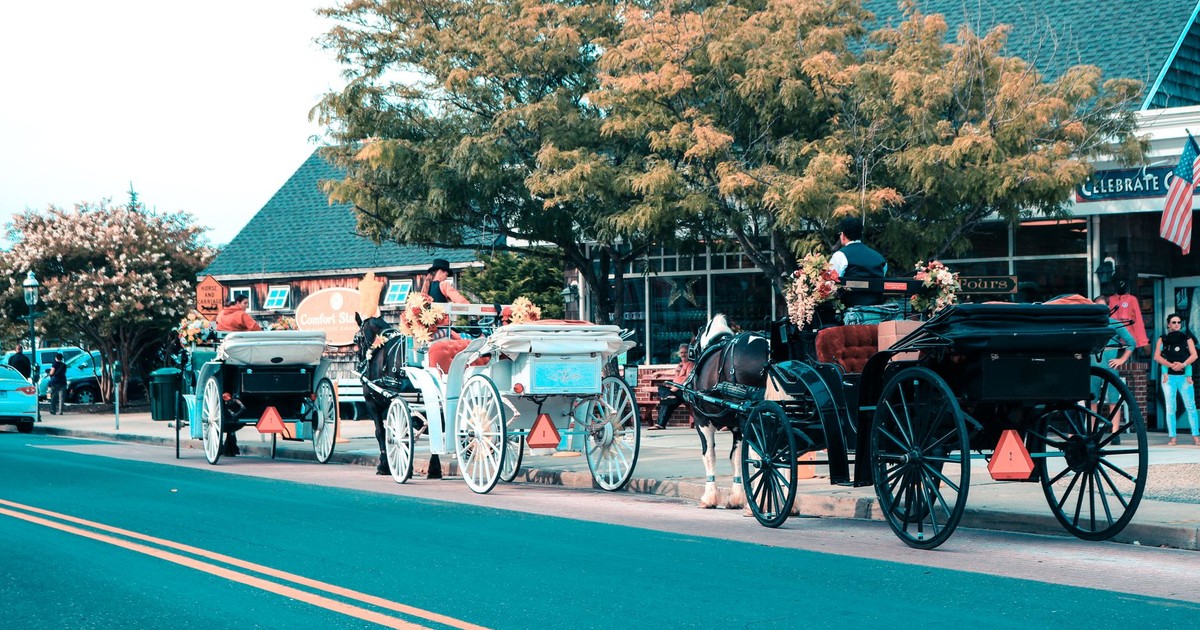
Cape May had the entire city declared a National Historic Landmark in 1976. Not the historic district, not a preserved block. The whole city.
The historic district possesses one of the country’s largest collections of 19th-century framed buildings, with Victorian architecture second only to San Francisco in volume. In 1878, a five-day fire destroyed thirty acres of the town center, and replacement homes were almost uniformly reconstructed in the Victorian style, which is why walking Cape May’s streets today feels less like touring a preserved district and more like visiting a neighborhood that simply kept building the same way it always had.
The historic Emlen Physick Home, a magnificent 18-room mansion built in 1879, contains original furnishings and is Cape May’s only Victorian house museum. Trolley tours run year-round. Fall is spectacular, but Cape May’s MAC organization coordinates year-round architectural tours and seasonal events throughout the town.
3. Deadwood, South Dakota
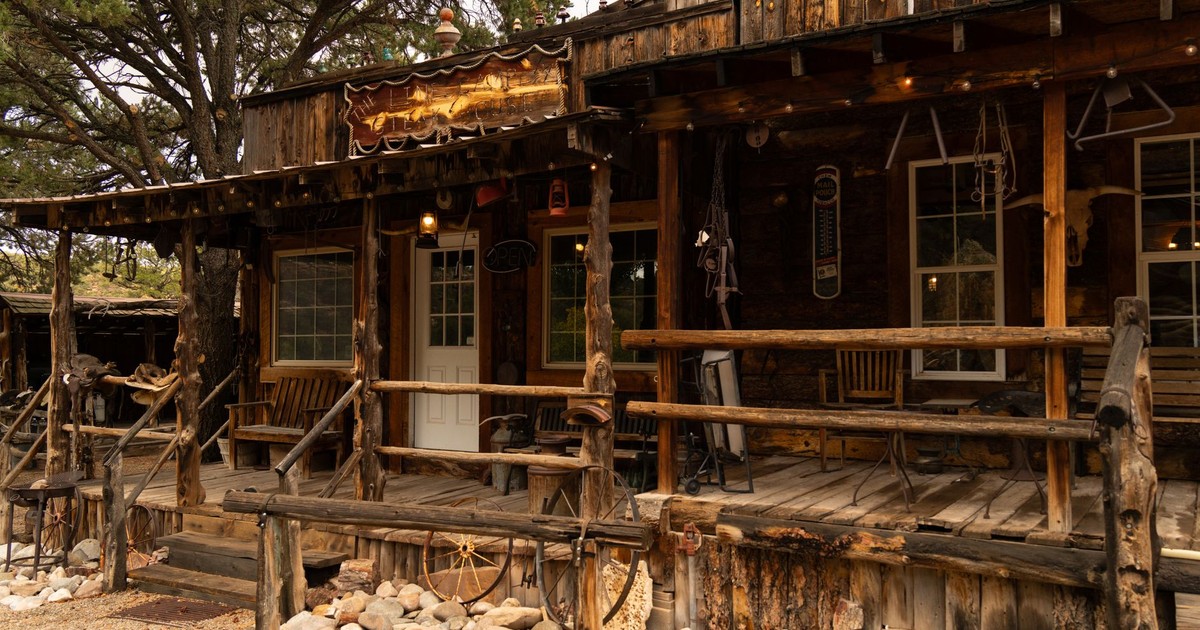
Designated a National Historic Landmark in 1961, the entire community of Deadwood has been synonymous with the Wild West since its founding in 1876. The Black Hills gold rush turned this gulch into a boomtown almost overnight, and the buildings that went up during those frantic years are still standing. Saloons, brick storefronts, historic hotels, the place looks like a set except that it isn’t.
According to Daily Passport’s guide to nostalgic U.S. vacation spots, the Main Street Shootouts take place three times a day, six days a week, with costumed gunslingers reenacting old Wild West shootouts in the streets, and admission is free. The Days of ’76 Museum commemorates a tradition rooted in the 1924 Days of ’76 celebration and exhibits over 50 historic vehicles and antique firearms.
The nearest airport is Rapid City Regional, about an hour’s drive away. Fall offers the most dependable weather for a visit, though winter draws skiers who also want to spend their evenings in a saloon that’s been serving since the 1870s.
4. Seligman, Arizona
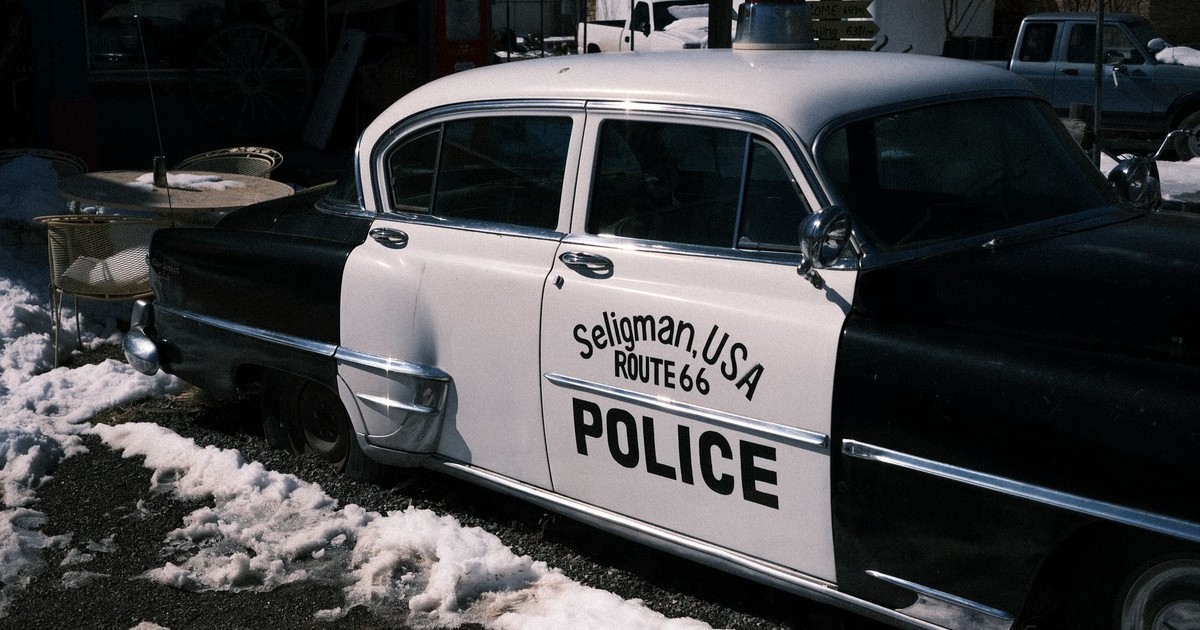
Route 66 lost its federal designation in 1985, and most of the towns strung along it spent the following decade watching traffic disappear. Seligman did something different. A local barber named Angel Delgadillo watched the town boom during Route 66’s heyday, then watched that era end abruptly in 1978 when I-40 bypassed Seligman entirely. He and his neighbors resolved to preserve the Mother Road, formed the Historic Route 66 Association of Arizona, and by November of that same year, the State of Arizona had designated the road from Seligman to Kingman as Historic Route 66.
That preservation effort is documented by the National Trust for Historic Preservation, which covers Angel Delgadillo’s role in Route 66 preservation and the National Trust’s work across the highway’s eight states. The town itself packs more roadside personality per block than towns ten times its size: vintage neon signs, a barbershop that looks unchanged from 1955, diners with hand-lettered menus, and classic cars parked outside businesses stacked with highway memorabilia. It’s a small stop, best combined with Williams or Kingman to make a full day of the road.
5. Colonial Williamsburg, Virginia
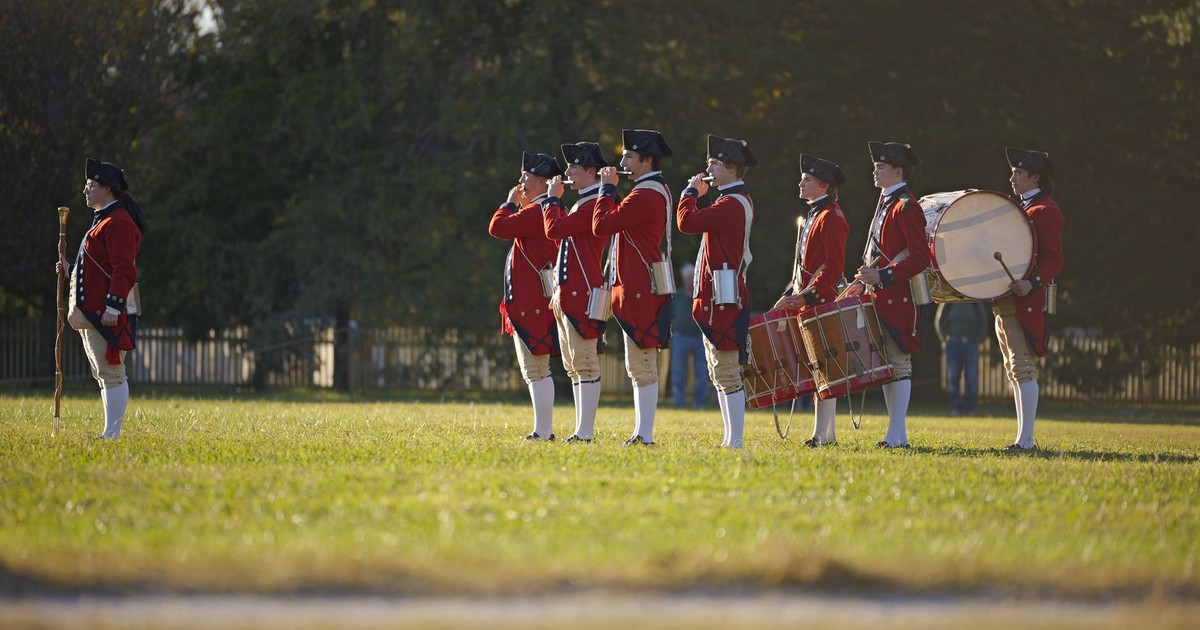
Colonial Williamsburg puts enormous effort into recreating a specific past. Visitors can interact with costumed interpreters, stroll along cobblestone streets, and witness reenactments of daily life during the American Revolution, making it a destination that works for families and history enthusiasts alike.
The historic district covers 301 acres of 18th-century buildings, gardens, and trade shops where blacksmiths, wigmakers, and tavern keepers work in period costume. The Governor’s Palace, the Capitol building, and Bruton Parish Church anchor a streetscape that has been continuously preserved since the Rockefeller-funded restoration began in the 1920s. The concentration of living history packed into those 301 acres is difficult to absorb in a single day, which is why most visitors plan for two.
6. Savannah, Georgia
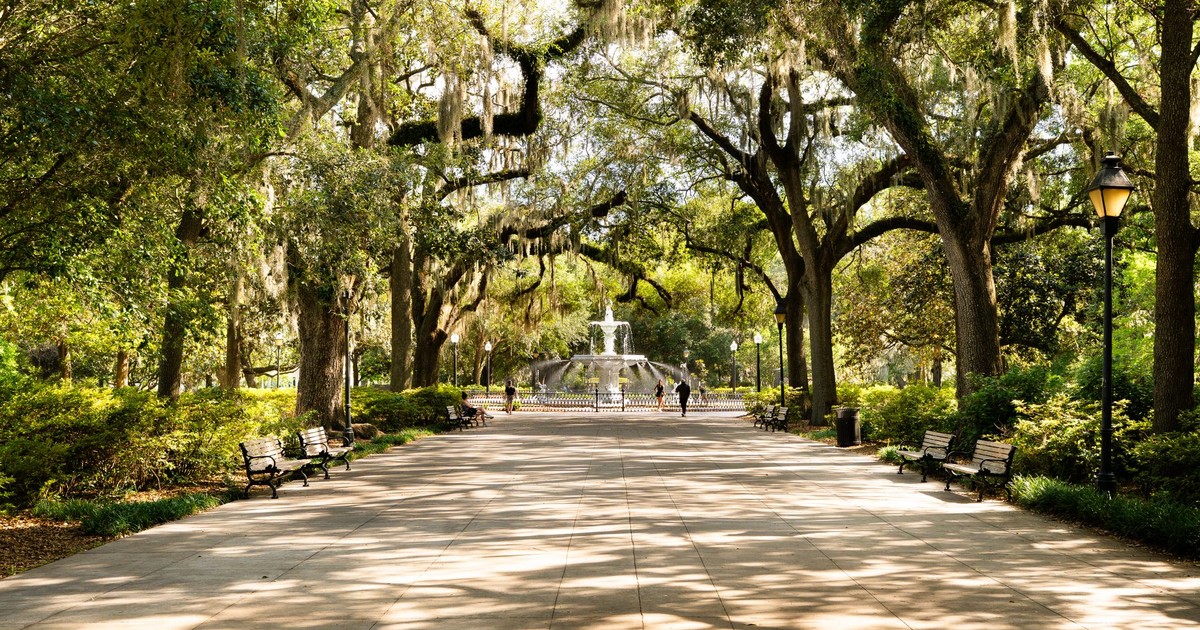
Savannah’s public squares, moss-covered trees, ironwork, townhouses, churches, cemeteries, and old riverfront warehouses create one of the most memorable historic streetscapes in the country. James Oglethorpe laid out the first four squares of his grid plan in 1733, and city leaders followed the design for decades after he returned to England, expanding to 24 total squares by the 1850s, of which 22 survive today. Walking the Historic District means moving through that accumulated plan, which still works exactly as intended.
Much of the district can be explored without paying admission, although parking, tours, and downtown lodging may be expensive. Savannah’s romantic image should not overshadow the city’s deep connections to slavery, segregation, labor, Gullah Geechee culture, and the civil rights movement. The history here is layered and not always comfortable, which is what makes it honest. River Street’s restored cotton warehouses now house restaurants and galleries, and the cobblestoned waterfront is the kind of place where a two-hour walk feels like twenty minutes.
7. St. Augustine, Florida
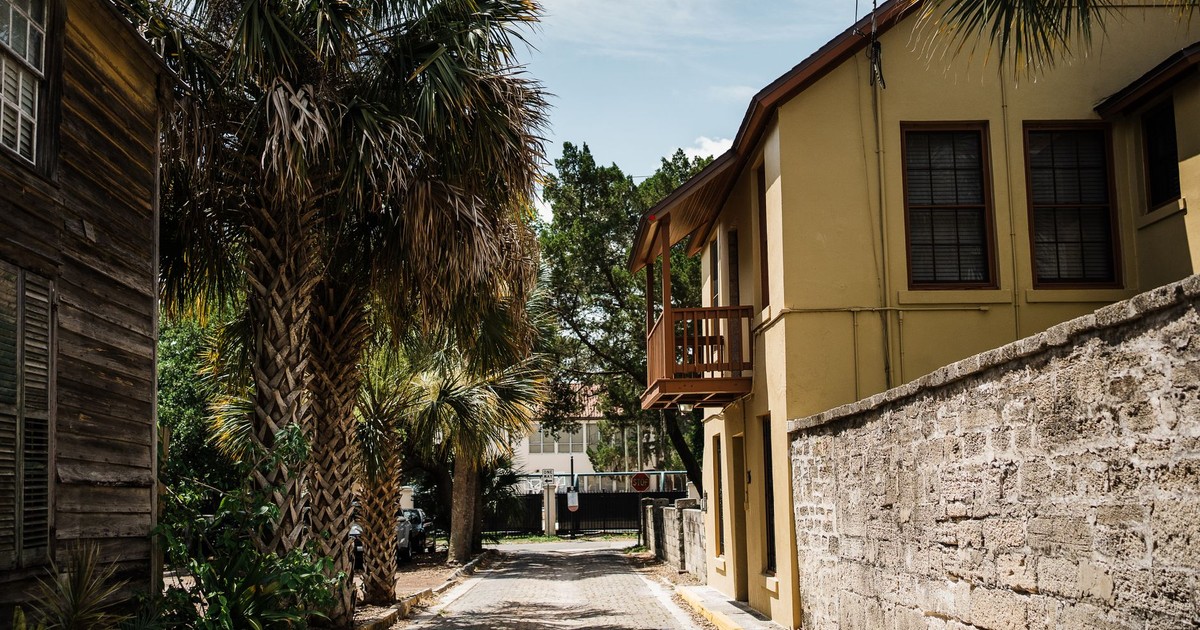
St. Augustine is the oldest continuously occupied European-established settlement in the continental United States. Founded by Spanish explorers in 1565, it predates Jamestown by 42 years and Plymouth Rock by 55. The Castillo de San Marcos, a coquina-stone fort completed in 1695, still guards the harbor and remains one of the oldest masonry fortifications in the U.S. Its walls have never been taken by force.
The narrow streets of the old city, the Cathedral Basilica dating to 1797, and the horse-drawn carriages that navigate the cobblestones after dark create an atmosphere that feels genuinely old rather than performed. The Spanish Quarter Living History Museum puts costumed interpreters into reconstructed 18th-century homes and workshops. The town can get congested during peak season, but the shoulder months, particularly March and November, offer nearly the same experience at a fraction of the price.
8. Galveston, Texas
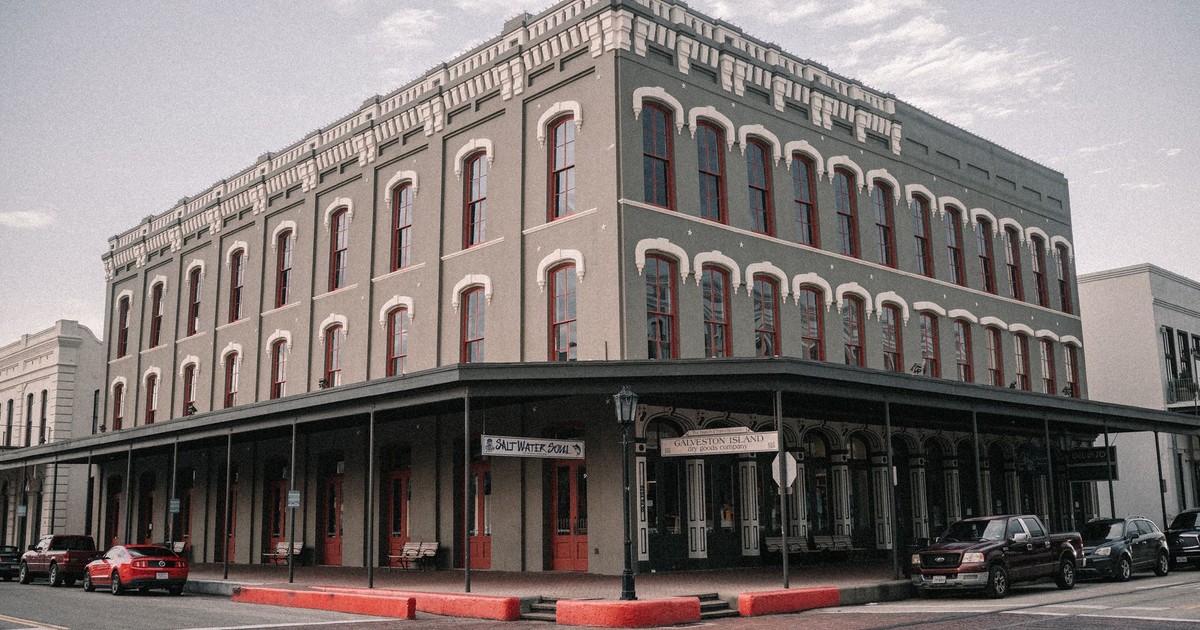
Galveston was, by the 1880s, one of the wealthiest cities in the United States, and the architectural evidence is still everywhere. The Broadway historical district contains some of the finest Victorian mansions in the South, including the Bishop’s Palace, a turreted, stone-and-iron landmark completed in 1893 that the American Institute of Architects once named one of the 100 most important buildings in the country.
The 1900 hurricane that killed an estimated 8,000 people and reshaped the Gulf Coast’s entire population map also preserved something odd: Galveston never fully rebuilt to its former scale, so the Victorian commercial buildings and mansions survived while other Texas cities tore down and rebuilt around them. The Strand National Historic Landmark District packs 36 blocks of 19th-century commercial buildings into a walkable stretch of the waterfront. The Galveston Railroad Museum, set in the city’s 1913 Santa Fe depot, houses dozens of restored locomotives and passenger cars.
9. Eureka Springs, Arkansas
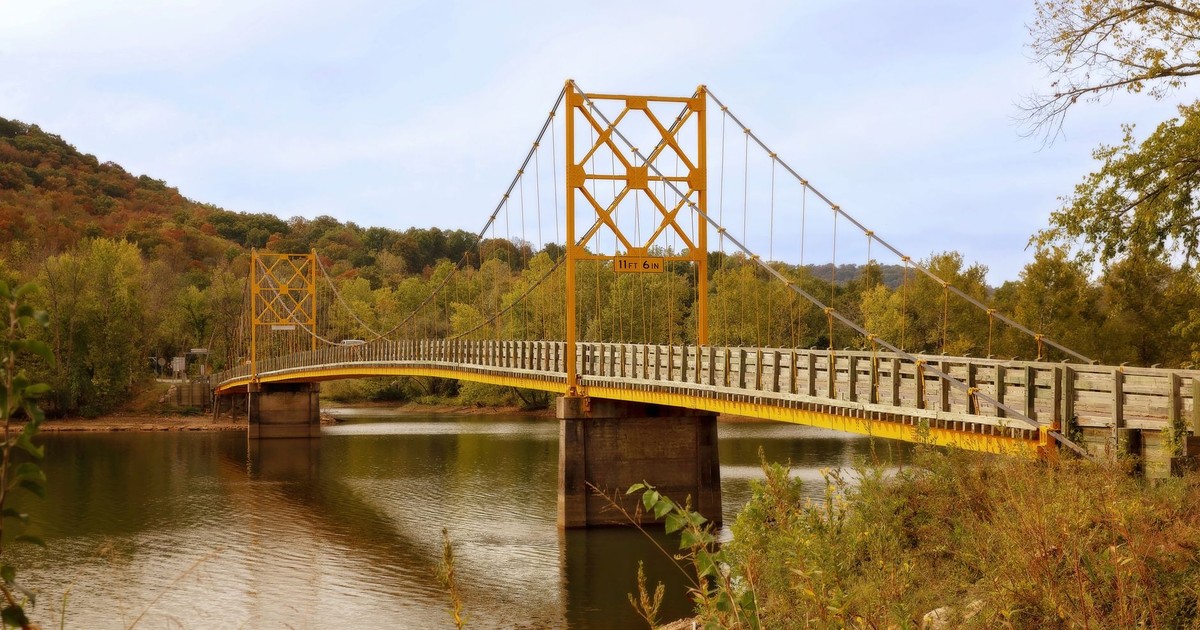
Eureka Springs developed around mineral springs and health tourism, leaving behind Victorian hotels, stone walls, winding roads, stairways, and hillside buildings, with independent shops, galleries, restaurants, and inns that help preserve its old mountain-resort personality.
The town’s streets don’t conform to a grid because they were cut into Ozark hillsides in the 1880s, following the natural terrain. The result is a town that keeps surprising you: a staircase off the main drag leads to a row of Victorian cottages, and a road that appears to dead-end curves down to a spring-fed basin. It’s listed entirely on the National Register of Historic Places, one of very few American towns to receive that designation wholesale. The Basin Park Hotel, built in 1905 directly into the hillside, has eight floors each opening at street level on a different side.
10. Annapolis, Maryland
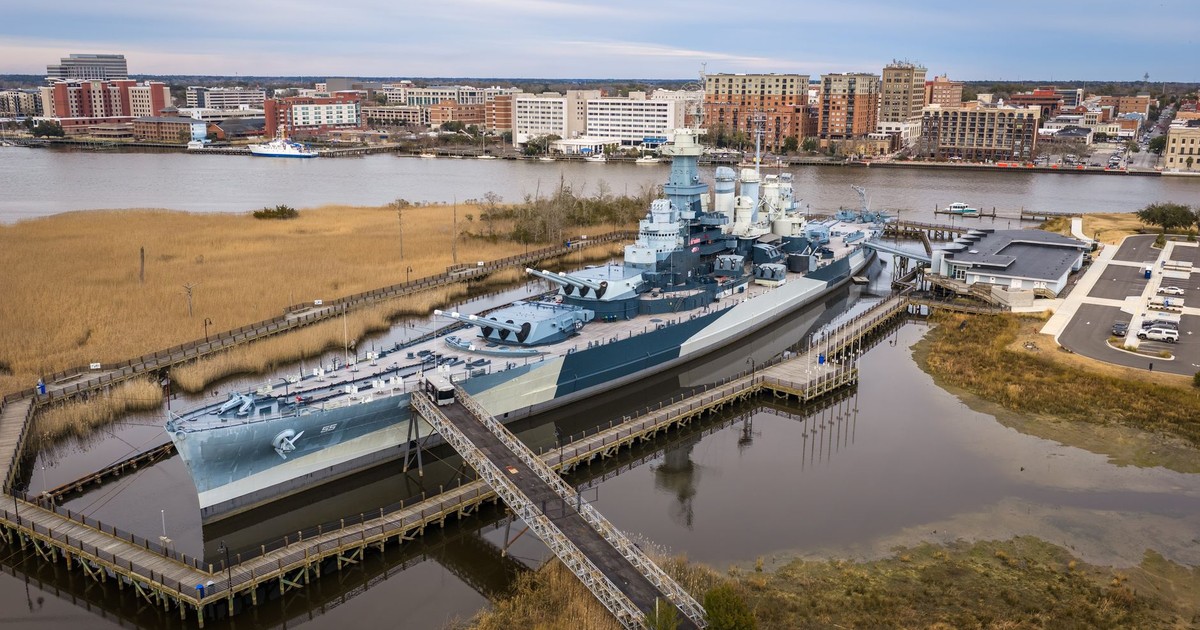
Annapolis was founded in 1649 and continues to emphasize arts and culture, with live theater, art galleries, and museums, many housed in 18th-century buildings. The State House, completed in 1779, is the oldest state capitol still in continuous legislative use in the United States. The Treaty of Paris was ratified there in 1784.
The city’s concentration of colonial-era architecture in the downtown area is denser than almost anywhere outside Boston. The Maryland State Archives hold original documents from the colonial period, and the William Paca House, home of a signer of the Declaration of Independence, has been restored to its 18th-century appearance with a two-acre garden. The harbor’s sailboats and wooden-hulled workboats give the waterfront a connection to maritime history that feels lived-in rather than staged.
11. Lowell, Massachusetts
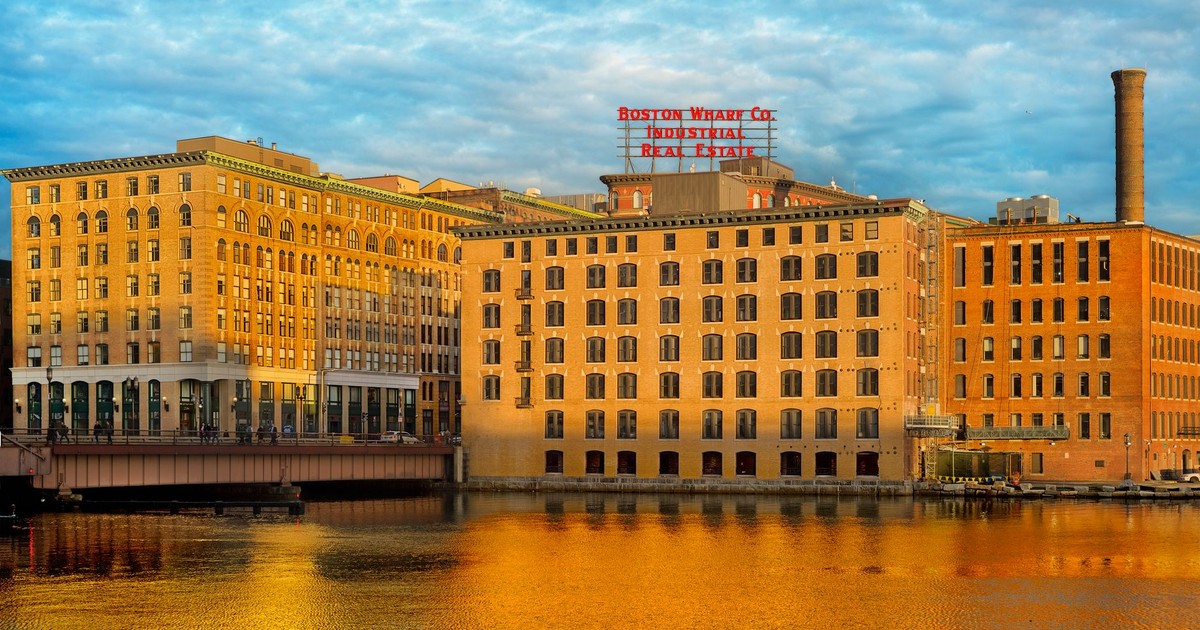
Lowell is the rare American city whose industrial past has been turned into a National Historical Park rather than demolished and redeveloped. The city was, in the 1820s and 1830s, the epicenter of the American Industrial Revolution. The mill buildings that once employed thousands of young women from New England farms now house museums, galleries, restaurants, and working looms that still run on the same canal system that powered them in 1826.
The Lowell National Historical Park, run by the National Park Service, takes visitors through the mill complexes and the boarding houses where workers lived. Canal boat tours operate in summer, tracing the same waterways that once drove the turbines. It’s a destination that asks serious questions about labor, immigration, and industrialization while still managing to be genuinely engaging, which is harder to pull off than it sounds.
12. Harpers Ferry, West Virginia
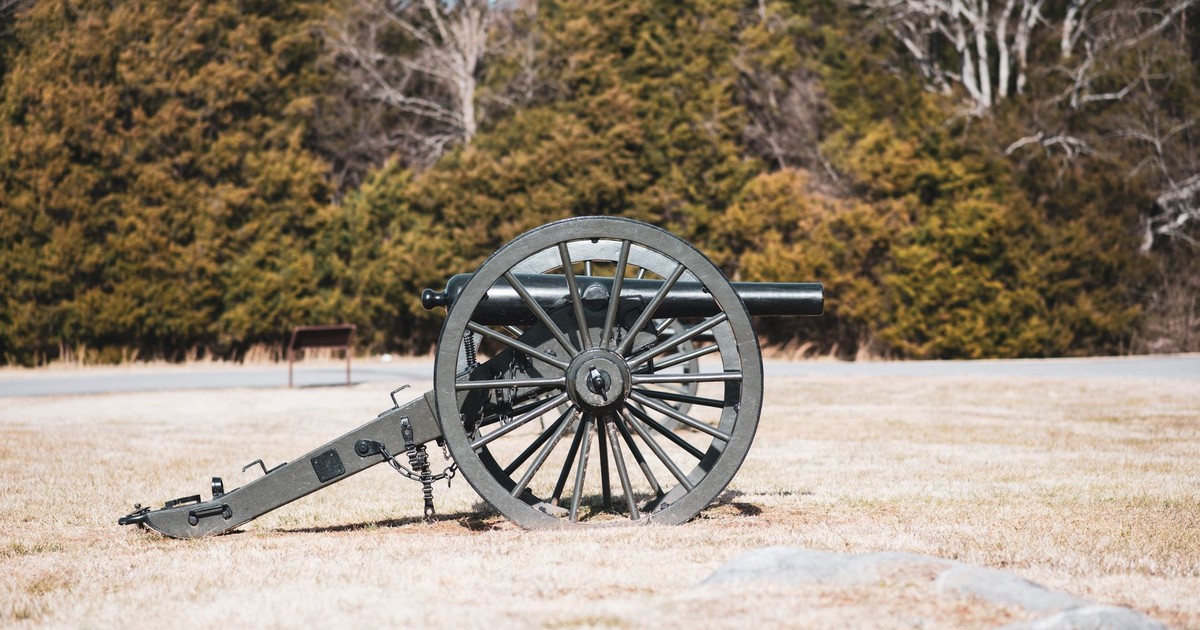
The confluence of the Shenandoah and Potomac rivers at the base of the Blue Ridge Mountains was enough to make Harpers Ferry strategically significant before John Brown made it nationally infamous. His 1859 raid on the federal armory here accelerated the country toward the Civil War, and the town’s lower district, preserved essentially intact as a National Historical Park, tells that story without flinching.
The lower town’s stone and brick buildings date to the early 19th century, and several have been restored to their 1850s appearance. The views from Maryland Heights, a short hike above the rivers, are among the best in the mid-Atlantic. The town is small enough to cover in a half-day but dense enough in history that most visitors find reasons to stay longer. Train service from Washington, D.C. makes it accessible without a car.
13. Natchez, Mississippi
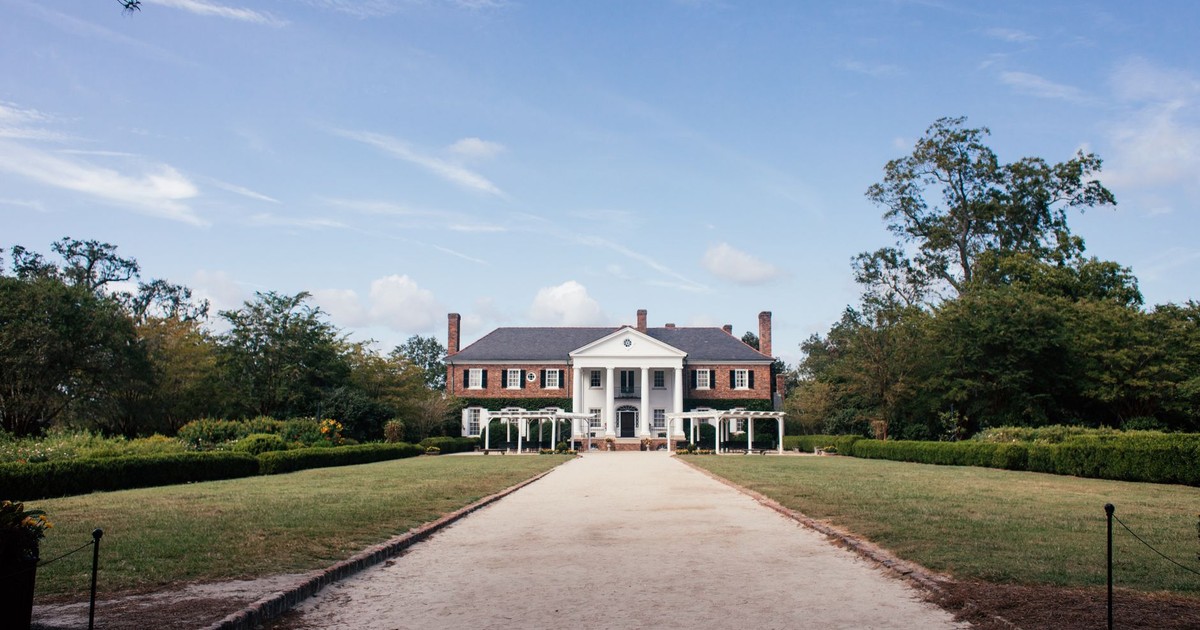
Natchez has the largest collection of antebellum plantation homes in the country, which makes it a beautiful and complicated place to visit. The pilgrimage tours that have operated since 1932 open private homes to visitors twice a year in spring and fall, exposing interiors that have been in the same families for generations. The architecture is extraordinary by any standard.
The full history requires engagement with what those houses actually represent. Forks of the Road, a short walk from the grand mansions, was one of the largest domestic slave markets in the Deep South. The Natchez Museum of African American History and Culture tells that history directly. The city itself seems to understand that both stories have to be told, and the better tours integrate them. The bluffs above the Mississippi, where the old Spanish fort once stood, offer a view that explains immediately why every culture that came through this region stopped here.
14. Mystic, Connecticut
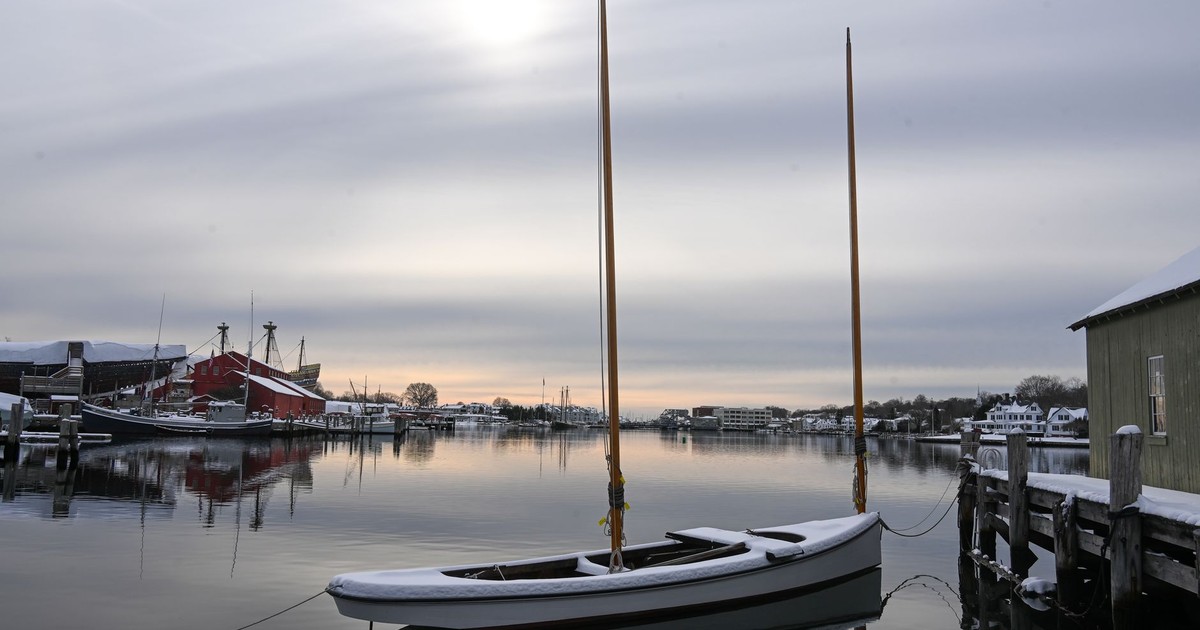
Mystic Seaport Museum on the Mystic River is the largest maritime museum in the United States, and its reconstructed 19th-century coastal village manages to feel earned rather than theatrical. The Charles W. Morgan, an 1841 wooden whaleship and the last of its kind in the world, is docked at the wharf and open for tours. Standing on its deck, with the smell of tar and salt water and the creak of the hull against the dock, is a specific experience that photographs don’t adequately prepare you for.
The village of Mystic itself, separate from the museum, has a mid-19th-century downtown with a working drawbridge that still stops traffic to let sailboats through. The Stonington Borough, a few miles east, is one of the most intact Federal and Greek Revival streetscapes in New England. This corner of coastal Connecticut resisted modernization partly because it never became a major economic center after the whaling industry declined, which turned out to be an unexpected form of preservation.
15. Tombstone, Arizona
The gunfight at the O.K. Corral lasted approximately 30 seconds on October 26, 1881. The town built around that 30 seconds has been running on it for over 140 years, and somehow it still works. The Wyatt Earp mythos is real enough that even visitors who know the history has been heavily romanticized find themselves leaning in.
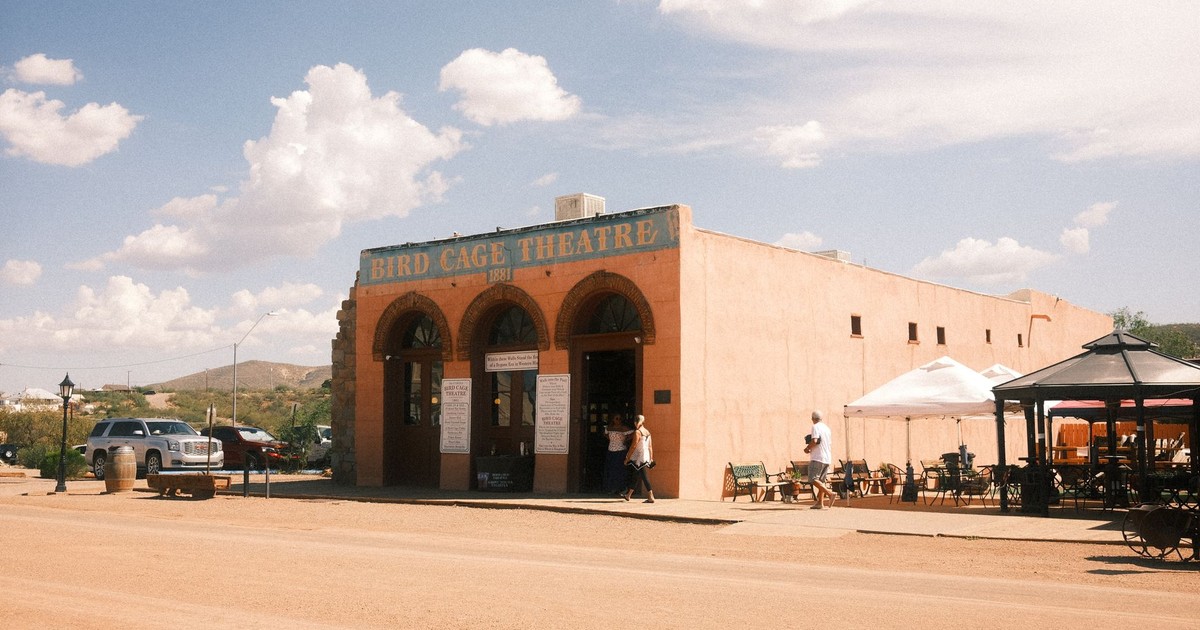
Tombstone’s Allen Street is a pedestrian-friendly stretch of the original commercial district, with wooden sidewalks, saloon doors, and storefronts that look exactly as they’re supposed to look. The Bird Cage Theatre, which ran continuously from 1881 to 1889, is preserved in its original condition, original furnishings and bullet holes in the ceiling included. Daily reenactments of the O.K. Corral gunfight are genuine theatrical productions rather than casual demonstrations. The Boothill Graveyard, with its hand-carved epitaphs, sits just outside town and is free to visit.
16. Bar Harbor and Acadia, Maine
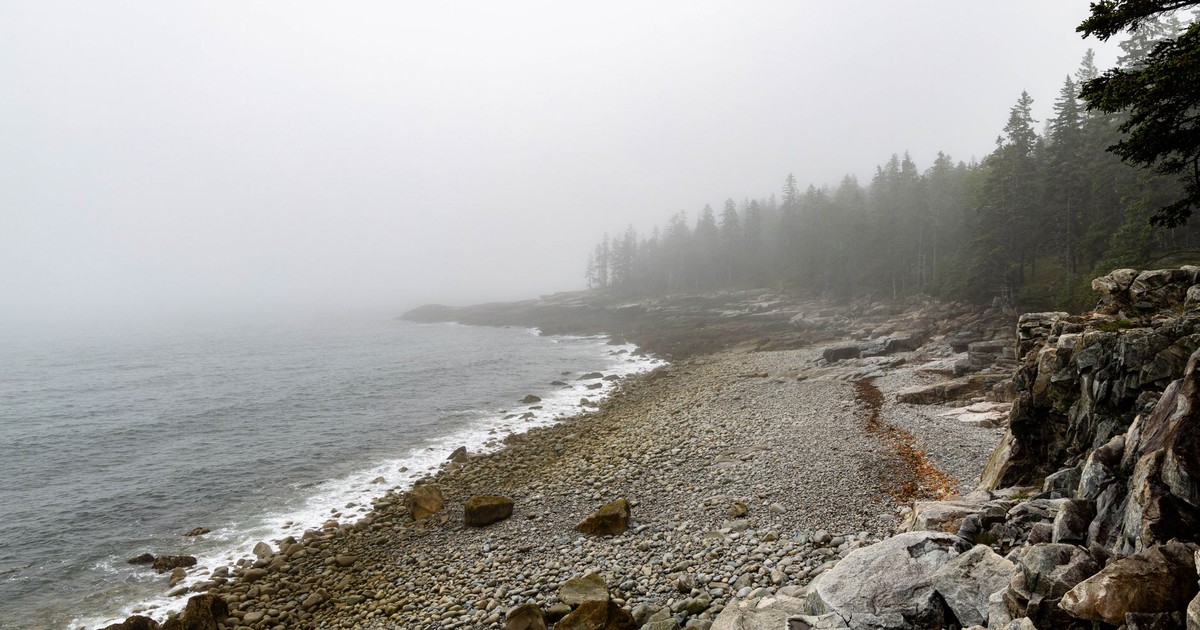
Bar Harbor was, in the late 19th century, what Newport was to Rhode Island: a summer destination for the very wealthy, who built enormous “cottages” on the shores of Mount Desert Island and arrived by steamship for the season. Most of those estates burned in the 1947 fire that leveled a third of the island, but the town’s downtown core, its wooden hotels, and its shingled inns survived. The late-Victorian character of the village is still intact.
Acadia National Park, which surrounds the town, was itself largely created through land donations from those same wealthy families, including John D. Rockefeller Jr., who funded the construction of 45 miles of carriage roads specifically designed for horse-drawn vehicles. Those roads still exist, still prohibit motorized traffic, and still offer the same experience of moving through a forested landscape at the speed of a trotting horse. It’s the specific combination of the park and the Victorian village that makes Bar Harbor different from any other New England destination.
17. Cooperstown, New York

Cooperstown on Otsego Lake in upstate New York exists in a kind of permanent early-American pastoral. The village’s Main Street, lined with Federal-period buildings and clapboard storefronts, looks like an illustration from an 1850s almanac. The Farmers’ Museum, a living history complex a short walk from downtown, has been reconstructing 19th-century rural life since 1944 and includes a working farm, a printing press, and a blacksmith shop staffed by craftspeople who actually know their trades.
The Baseball Hall of Fame, which draws most visitors, opened here in 1939 and has been trading on Cooperstown’s old-America character ever since. The combination of the Hall, the museum, and the village itself creates a day that covers more American cultural history than most people expect. Otsego Lake, long called “Glimmerglass” by James Fenimore Cooper, is ringed with 19th-century summer homes that have remained largely unmodernized.
18. Abilene, Kansas
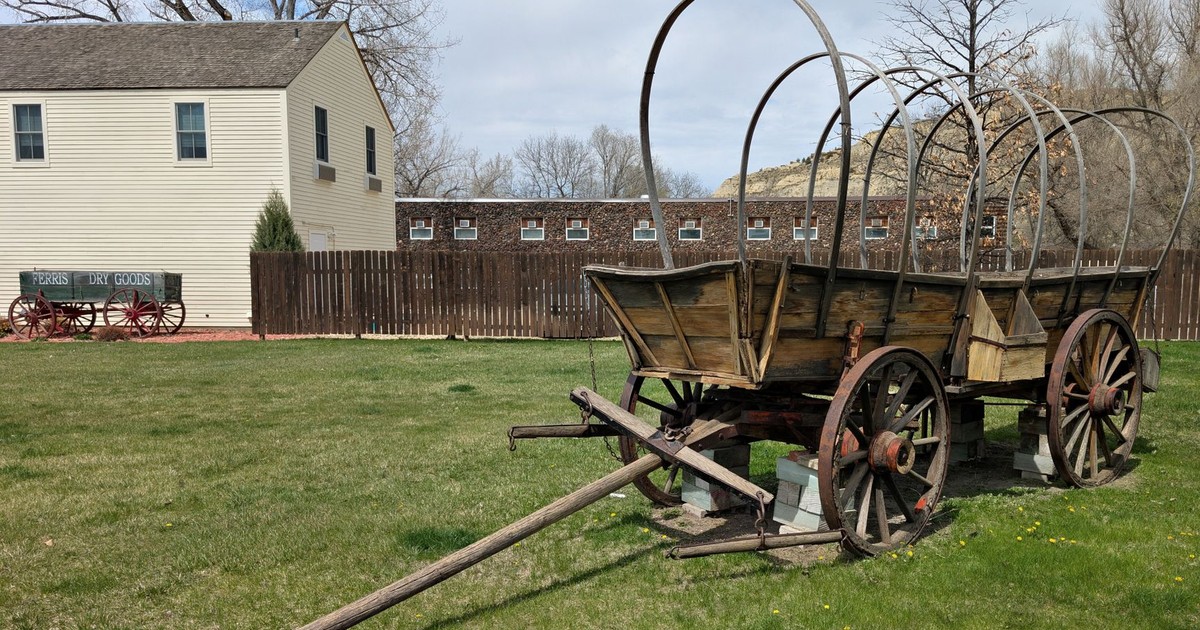
Abilene is where the Chisholm Trail ended. Between 1867 and 1872, approximately 1.5 million longhorn cattle were driven north from Texas and loaded onto Kansas Pacific Railroad cars here, making the town the center of the American beef trade and, briefly, the wildest town on the Great Plains. Wild Bill Hickok served as its marshal in 1871.
The Old Town Historic District preserves a portion of that original cattle-drive-era Abilene, with wooden storefronts, a restored railroad depot, and museums dedicated to the Chisholm Trail and the cattle drives. The Eisenhower Presidential Library, Museum and Boyhood Home is also here, drawing a different kind of visitor who ends up staying longer once they discover the town underneath the presidential tourism. The combination, frontier cattle town plus presidential library plus Midwestern small-town architecture, is genuinely unexpected.
19. Portsmouth, New Hampshire
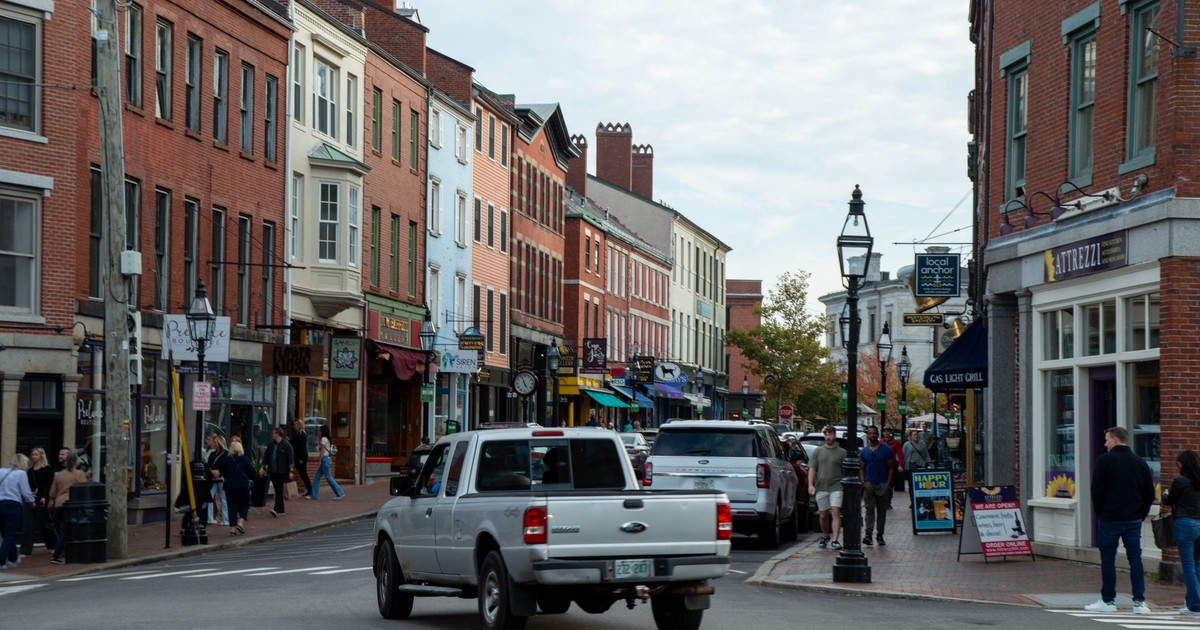
Portsmouth has been at the center of American naval history since the 17th century and still looks the part. The Strawbery Banke Museum is a 10-acre outdoor history site encompassing 37 historic structures spanning four centuries of American life, many furnished to specific decades rather than a generic “old” aesthetic. One house is set to the 1950s. Another to the 1930s. A third to the 18th century. Walking through the complex is like moving through a compressed timeline of a single neighborhood.
The rest of downtown Portsmouth holds up its end of the bargain. The Market Square area is anchored by the 1758 North Church, and the surrounding streets contain some of the most intact colonial and Federal streetscapes north of Boston. The Moffatt-Ladd House, built in 1763, still has its original garden. The waterfront, where the Piscataqua River meets the harbor, has been in continuous maritime use for over 400 years.
20. Williams, Arizona
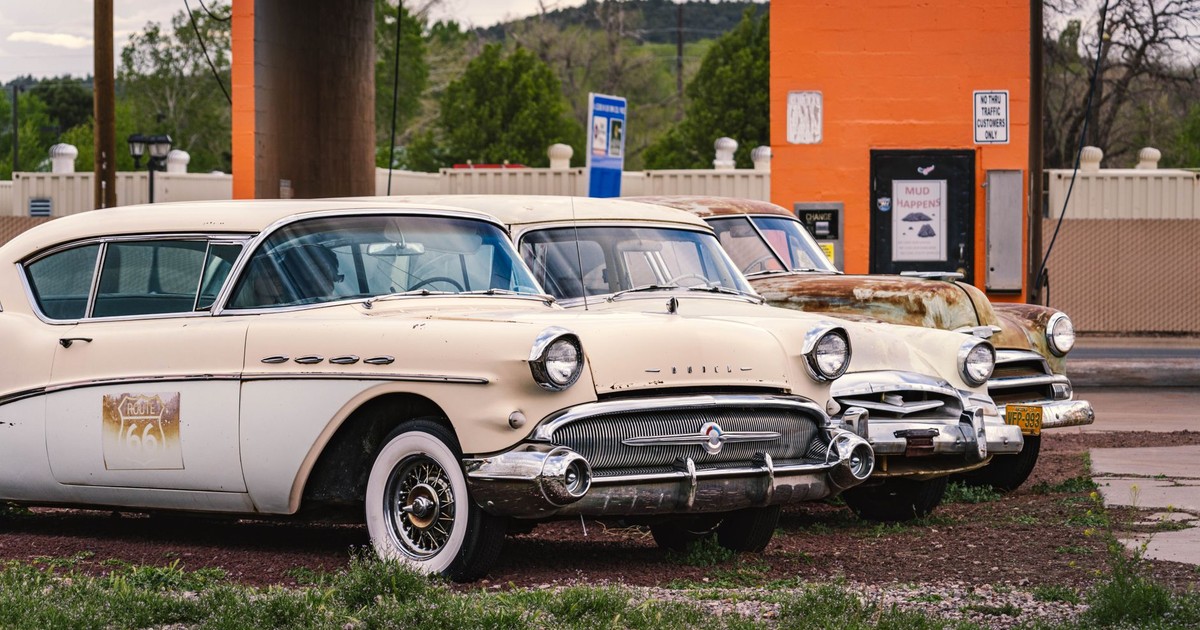
Williams, a historic town along Route 66, is known as the “Gateway to the Grand Canyon” and preserves its Wild West heritage with historic storefronts, wooden sidewalks, and vintage railroad depots. The Grand Canyon Railway has been running since 1901, briefly discontinued, then restored in 1989 as a heritage tourist railroad, and the experience of pulling into Grand Canyon Village by steam locomotive is one of the more memorable ways to arrive anywhere in the American West.
Williams manages the balance between Route 66 nostalgia and genuine small-town life better than most of the preserved highway towns. The main street has its vintage motels and classic car culture, but it also has a working community underneath the tourist layer. At 6,766 feet elevation, it’s one of the coolest towns in Arizona, which makes it a practical summer base for the canyon. A full day in Williams followed by the morning train to the canyon rim is one of those itineraries that sounds corny until you’re actually doing it.
What All of This Actually Means
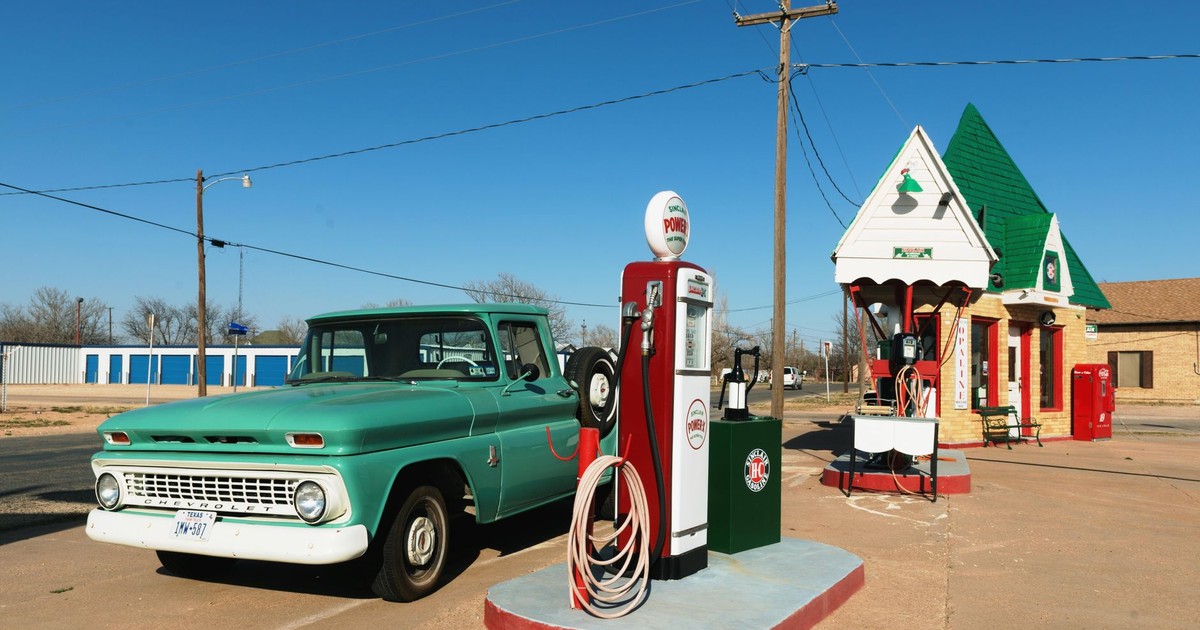
The attraction of nostalgic travel destinations isn’t really about the past. It’s about the specific relief of being somewhere that decided what it was and stuck with it. Modern travel offers more options, more flexibility, more customization than any previous generation has had access to, and somehow the most satisfying trip of the year often ends up being the one where you ate pie in a diner on Route 66 and walked back to a Victorian inn that still had a porch swing.
These 20 places survived for different reasons. Some were lucky. Some were poor. Some had a single stubborn person who fought the developers for decades and won. Angel Delgadillo in Seligman is as good an example of that as American history offers. But what they share is that they didn’t sand themselves down into genericness, and so they still feel like somewhere specific. That specificity is exactly what you’re paying for when you book the ferry to Mackinac or the train to the Grand Canyon. The historical detail is the delivery system. What actually gets delivered is the feeling that a place was built by people who weren’t thinking about you at all, which turns out to be the rarest and most valuable thing in American tourism.
AI Disclaimer: This article was created with the assistance of AI tools and reviewed by a human editor.