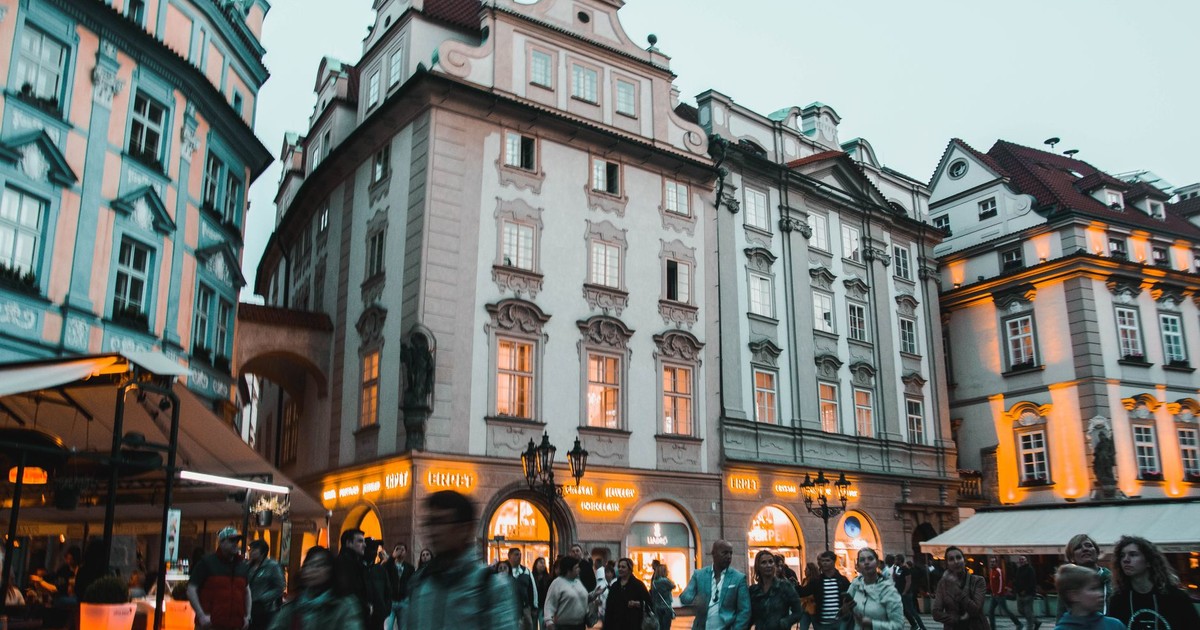

The sign appeared on a wall in Barcelona’s Gothic Quarter sometime in 2024 and has barely faded since: “One more tourist, one less resident.” It wasn’t the first, and it definitely wasn’t the last.
Across Europe and beyond, cities that built their identities around welcoming the world are now asking how much welcome they have left. The graffiti, the protests, the entry fees, the outright bans are the result of years of pressure building on places that were never designed to hold this many people at once.
The term for what’s happening is overtourism: the point at which visitor numbers stop benefiting a destination and begin actively destroying it. In 2026, it’s a street-level reality for millions of residents in some of the most-visited places on earth.
Venice: A City That Now Charges You to Enter
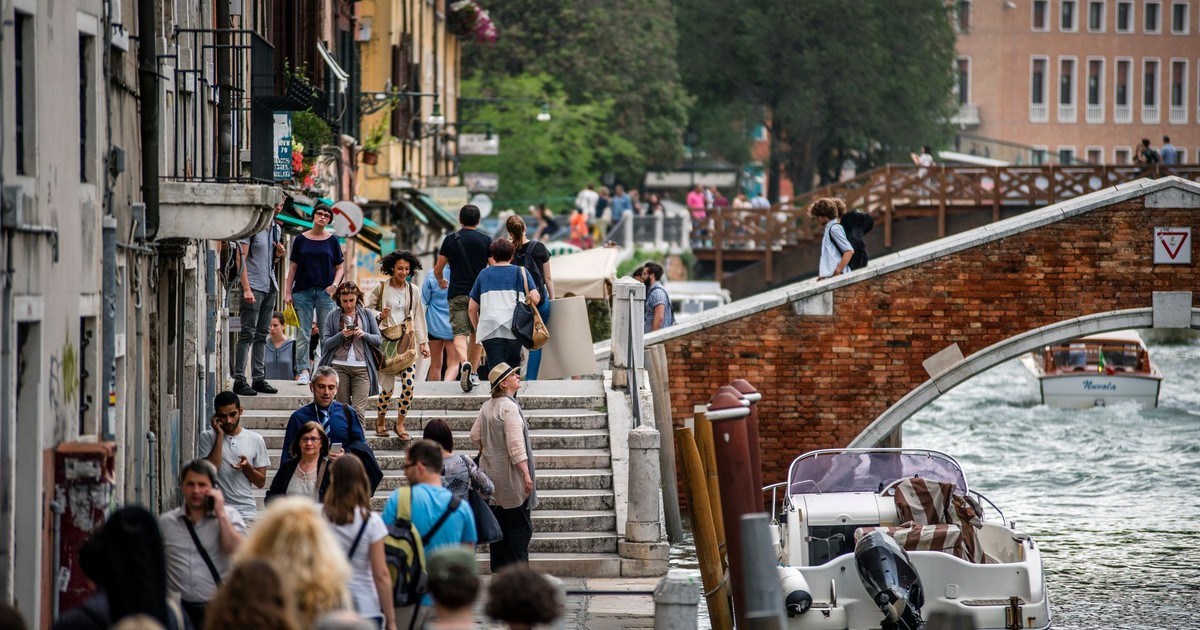
Venice is the sharpest illustration of what happens when tourism is allowed to outpace a city’s capacity for decades. By 2023, the number of tourist beds in Venice’s historic center had already exceeded the number of permanent residents, whose population has dropped under 50,000. There are now more places for visitors to sleep than there are people who call it home.
In an attempt to manage the flood of day-trippers, Venice launched an entry fee system. For 54 days in April, May, June, and July, tourists spending a day in the canal city were required to book their visit and pay a fee. The levy aimed to curb the day-tripper tourism that frequently overwhelms the small city during its busiest months.
Visitors who booked their ticket less than four days in advance had to pay double (€10 instead of €5) in a bid to discourage last-minute crowds and help authorities regulate tourist influxes. The city raised over €5 million from the scheme in 2025. Day visitor numbers dropped only slightly compared to the previous year, with peak dates attracting nearly 25,000 tourists. Many critics labelled the trial a failure that hasn’t led to any significant reduction in crowds.
Rather than discouraging day-tripper tourism, critics argue the fee institutionalized the idea of Venice as a theme park. You can still come. You just have to pay at the gate.
Barcelona: When Residents Push Back
For years, Barcelona’s tension between locals and tourists simmered below the surface. By 2025, it had boiled over onto the streets. Anti-tourism protesters sprayed tourists and buildings with water guns and pistols during a demonstration in Barcelona, Spain, on June 15, 2025.
The city of just 1.6 million residents welcomed over 26 million tourists in 2024, with more than 15.5 million staying overnight. That ratio (roughly 16 visitors for every resident) is the kind of number that stops feeling like a statistic once you’re the one trying to buy groceries or find a flat. Barcelona’s mayor Jaume Collboni stated publicly that rents had risen 68% over the past decade and the cost of buying a home by 38%.
The protests in June were part of the first coordinated effort by activists concerned with the effects of overtourism across southern Europe’s top tourist overcrowding destinations. While several thousands rallied in Mallorca in the biggest gathering of the day, hundreds more gathered in other Spanish cities, as well as in Venice, Italy, and Portugal’s capital, Lisbon. The signs read “One more tourist, one less resident” and “Mass tourism kills the city.” In response, Spain ordered Airbnb to delist nearly 66,000 rentals for violating local rules, and Barcelona plans to phase out 10,000 short-term licenses by 2028 to protect residents’ housing rights.
The housing crisis and tourism aren’t separate problems in Barcelona. They’re the same problem with two faces.
Amsterdam: Paying the Price of Its Own Reputation
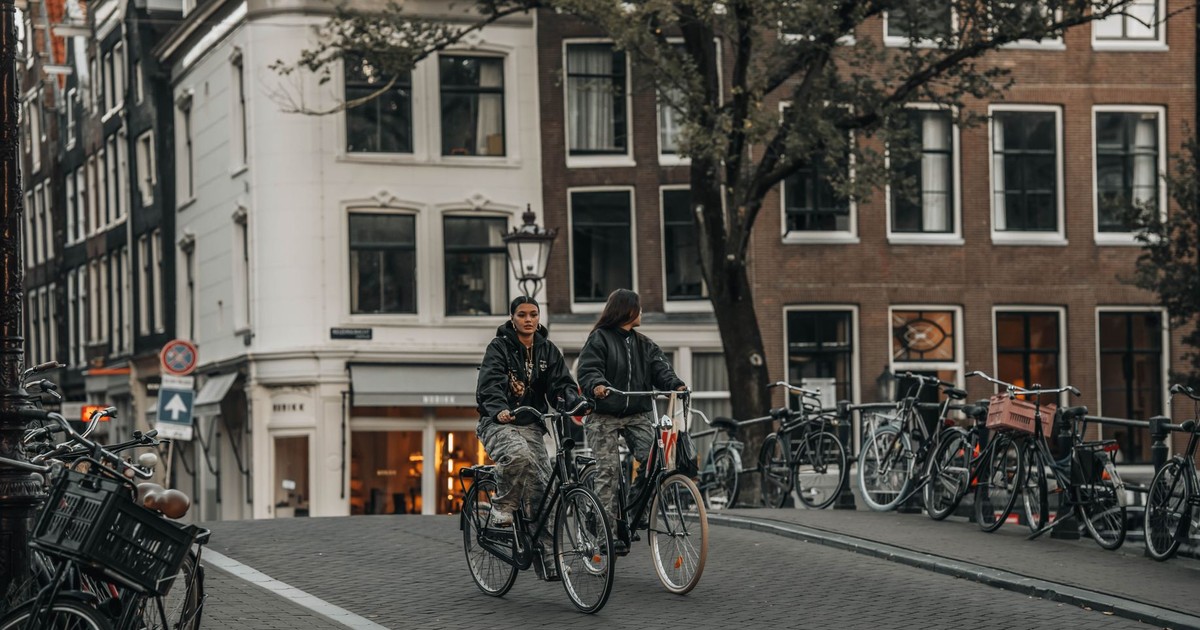
Amsterdam recorded 22.9 million tourist overnight stays in 2024, well above the city’s own cap of 20 million, for a population of just under one million. That total does not include the 26.7 million day visits logged the same year, meaning the pressure on the city’s streets, waterways, and neighborhoods is considerably higher than overnight figures alone suggest.
Amsterdam announced the daily fee for cruise ship day visitors will go from 8 to 11 euros, while the nightly fee built into hotel room prices jumped to 12.5% of the room rate, giving it the highest tourist taxes in Europe. Amsterdam plans to limit cruise ships in its harbor to just 100 in 2026, down from 190 currently, before banning them outright by 2035 as part of measures to counteract nuisance.
The rise of budget airlines and platforms like Airbnb have led to an influx of visitors more interested in nightlife than culture, leading to overcrowding, noise pollution, and a loss of the city’s traditional character. Amsterdam has also banned new hotels from opening in the city center, tightened rules on outdoor cannabis use, and run a campaign specifically designed to discourage British stag parties from choosing the city. The move to restrict cruise tourism could cost Amsterdam between €46 million and €103 million in revenue, but the City Council believes it’s necessary to prevent further deterioration.
The Canary Islands: Paradise at a Breaking Point
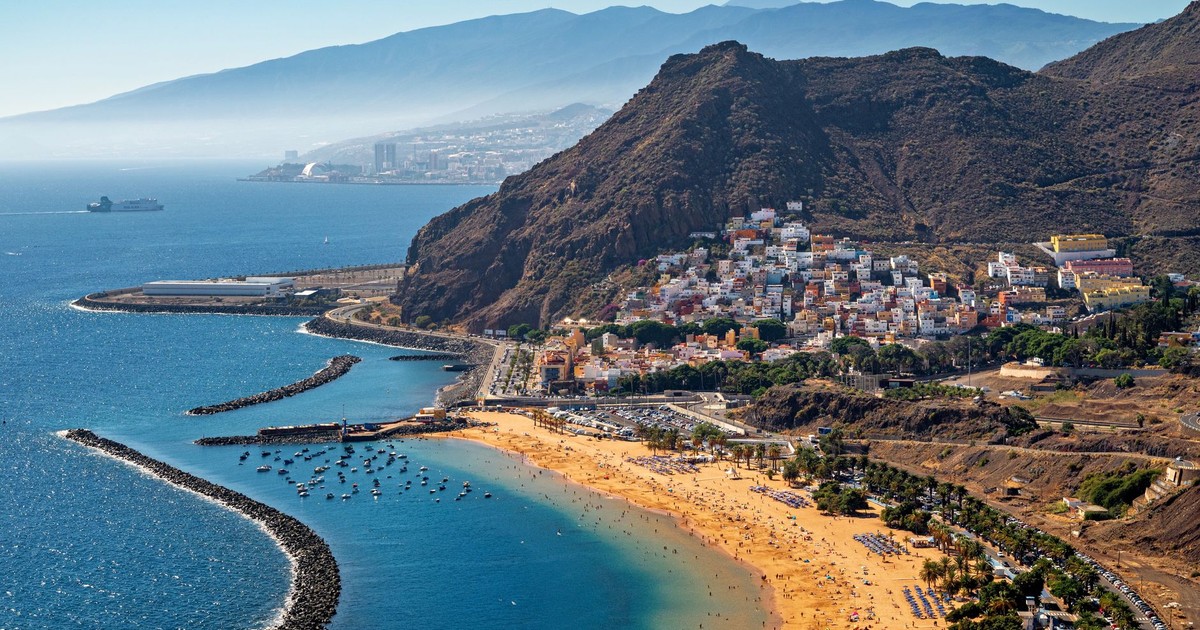
In 2025, the Canary Islands saw an overwhelming influx of 7.8 million visitors, while its airports handled over 27 million passengers in the first six months alone, a 5% rise from the previous year.
Environmental groups paint a stark picture: “The continuous arrival of new residents (mainly Europeans) worsens overpopulation, environmental degradation, and land occupation, given the islands’ very limited space.” Water, in particular, is strained to the edge. In early 2025, the regional government introduced a law barring newly built properties from being used as short-term rentals, requiring landlords to obtain permits, and allowing neighbors to veto tourist flats in their buildings. Local environmental groups were unmoved. They contend the government’s attempts at regulation have been ineffective, calling them either “window dressing” or even harmful, and warn that the number of vacation rental accommodations could potentially double under current proposals.
The Canary Islands made Fodor’s 2026 No List, the travel guide’s annual catalogue of destinations where visitor pressure has become ethically complicated.
Greece and the Outliers Nobody Talks About
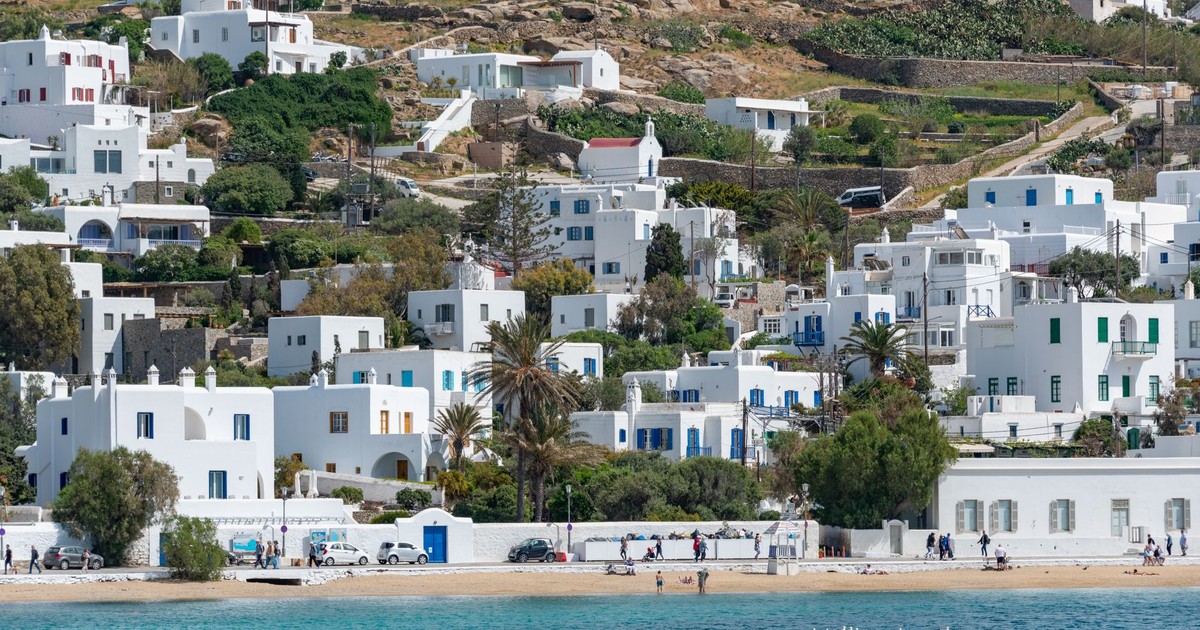
The headline tourist overcrowding destinations tend to be the same cities recycled in every article: Venice, Barcelona, Santorini. But some of the most extreme cases of imbalance between visitor numbers and resident populations are places most people couldn’t point to on a map. Bloomberg found that one of Europe’s worst spots for overtourism is the Greek island of Zakynthos, which drew 150 times more people than it has permanent residents. When the island’s population sits around 40,000 and it records approximately six million overnight tourist stays in a year, the strain on roads, water, housing, and daily life isn’t abstract.
Last year, 747 million international travelers visited Europe, far outnumbering any other region in the world, according to UN Tourism’s World Tourism Barometer. Southern and Western Europe welcomed more than 70% of them. The concentration isn’t spread evenly across the continent. It pools in the same coastal towns, the same medieval city centers, the same squares and beaches that have been photographed so many times they exist now as much as images as places.
With travel growing 4.1% in 2025 according to the World Travel and Tourism Council, new places are feeling the pinch. The Jungfrau alpine region in Switzerland and the Montmartre neighbourhood in Paris are among the newer examples of overtourism creeping beyond the usual suspects.
What to Do With All of This
Every piece about overtourism eventually arrives at the same awkward paragraph: visit in January, stay in lesser-known neighborhoods, pay the tourist tax without grumbling. Those things aren’t wrong. But they also don’t address what’s actually happening at a structural level.
Overtourism in Europe is now a political problem and a housing crisis as much as it is a scheduling inconvenience. The places being most vocal about it (Barcelona, Venice, Amsterdam, the Canary Islands) are not anti-tourist in the way that phrase implies. Most of them still depend on tourism economically. What they’re objecting to is the ratio: cities that are now operating as global attractions first and places to live second, with residents competing for housing, quiet streets, and grocery stores that aren’t priced for visiting wallets.
More places every year are experiencing tourists outnumbering locals by wider margins. Some of those places are charging entry fees that tourists are simply absorbing without changing behavior. Some are spraying visitors with water pistols and watching the problem continue into the next summer. Some are banning cruise ships in a move that will take a decade to phase in. The graffiti in Barcelona has become, with some irony, a tourist photo spot. The protest signs are being photographed. The crisis has, in some places, become part of the attraction.
Disclaimer: This information is not intended to be a substitute for professional medical advice, diagnosis, or treatment and is for information only. Always seek the advice of your physician or another qualified health provider with any questions about your medical condition and/or current medication. Do not disregard professional medical advice or delay seeking advice or treatment because of something you have read here.
AI Disclaimer: This article was created with the assistance of AI tools and reviewed by a human editor.