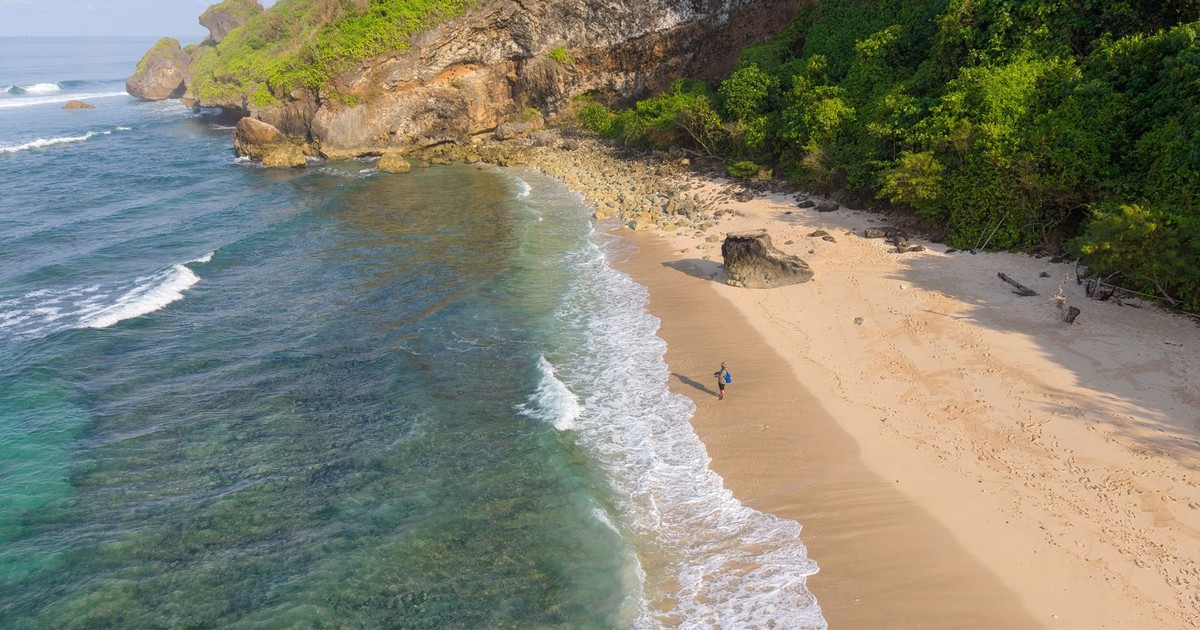

Most Caribbean islands have been discovered twice: once by the people who settled them and once by the resort industry. Dominica managed to avoid the second wave entirely. While neighboring islands built out sprawling all-inclusive resorts, Dominica held its ground as the Caribbean’s “Nature Island,” drawing visitors for towering waterfalls, lush rainforests, volcanic peaks, natural hot springs, black-sand beaches, and outdoor adventures rooted in genuine biodiversity.
In 2026, Dominica reclaimed its place as the Caribbean’s No. 1 island destination, earning the top Caribbean spot and the No. 9 position globally in a 2026 Travel + Leisure survey. Readers awarded it a score of 91.87, praising the island’s dramatic scenery, including its rainforest-covered mountains, volcanic peaks, black-sand beaches, natural hot springs, waterfalls, and pristine ecosystems. For context, Turks and Caicos, St. Kitts and Nevis, and other well-known Caribbean names didn’t crack the top spot. Dominica did, for the fifth time in as many years.
Getting there still requires a connection. It doesn’t have the long white-sand strips or swim-up bars. What it has is something that’s getting increasingly hard to find in the Caribbean: the feeling that you’ve actually gone somewhere.
The Island That Volcanoes Built
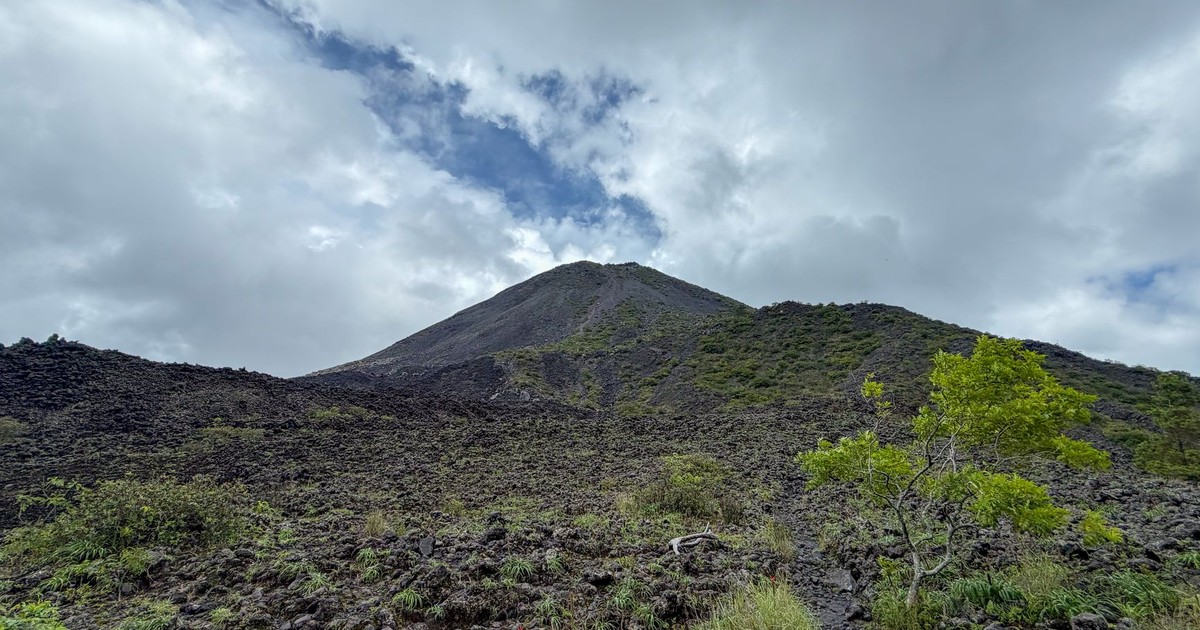
Tucked between Guadeloupe and Martinique in the Eastern Caribbean, Dominica is the region’s wildest, greenest, and least-developed island, a young, mountainous land of dormant volcanoes, rainforest, rivers, and a coastline of black-sand coves and dramatic drop-offs. Nine volcanoes have shaped the interior, and their activity still shows up in the landscape every day: in the steam venting from hillsides, the boiling mud ponds, the rivers that run warm even in the shade.
Morne Trois Pitons National Park, a UNESCO World Heritage Site situated in the south-central part of the island, holds nearly 300 miles of footpaths leading to cascading waterfalls, boiling mud ponds, and small geysers. The park contains some of the island’s most exhilarating natural features, including the world’s second-largest boiling lake, a swimming hole called Titou Gorge that was featured in Pirates of the Caribbean: Dead Man’s Chest, and Middleham Falls, one of the tallest waterfalls on the island.
The Boiling Lake is the headline act, and it earns the billing. Reaching it requires a full-day trek through the Valley of Desolation, a sulphur-streaked, smoking stretch of terrain that looks less like the Caribbean and more like Iceland on a bad day. The lake itself is the second-largest hot lake on Earth, a grey, churning, steaming flooded volcanic vent reached by a rigorous six-to-eight-hour round-trip hike. An accredited local guide is required. That requirement isn’t bureaucratic box-ticking; the terrain is genuinely unforgiving, and conditions can change fast.
A Hiker’s Island, From Easy Walks to the Caribbean’s Longest Trail
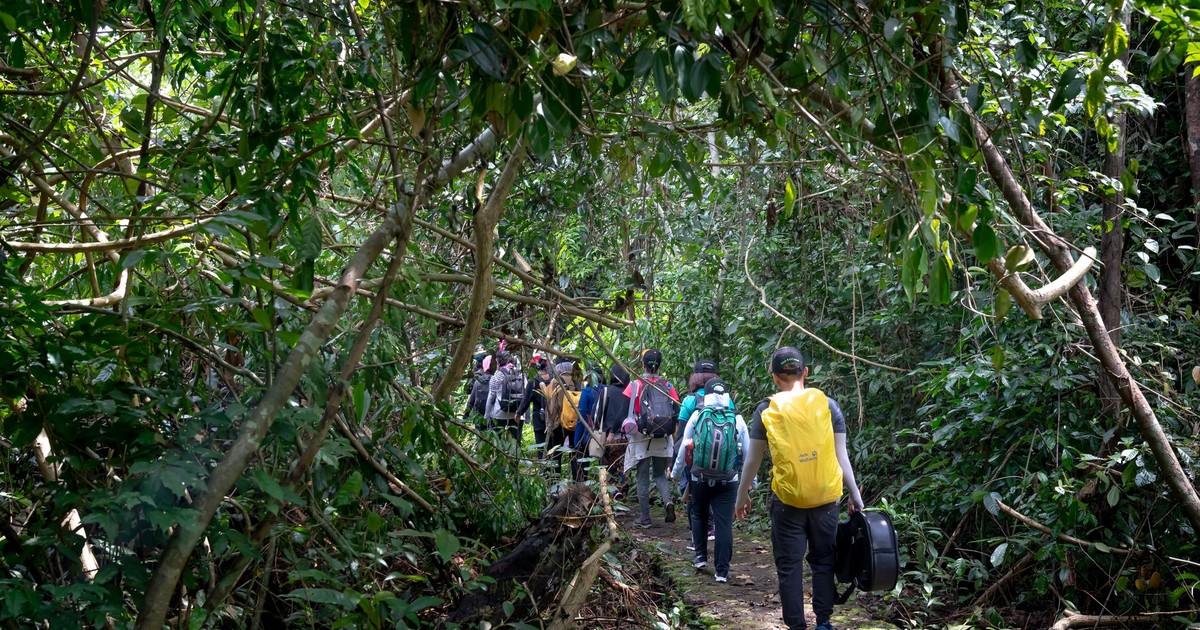
The Waitukubuli National Trail, Dominica’s 14-segment long-distance route, is the longest hiking trail in the Caribbean, traversing 115 miles from Scotts Head in the south all the way to Cabrits National Park in the north. It passes through rainforest, national parks, waterfalls, and traditional villages. Most hikers tackle it in segments across multiple days rather than end to end, which means it’s flexible enough to suit people who want a serious backcountry challenge and those who just want an exceptional afternoon on a trail without a crowd behind them.
The trails on offer range widely in difficulty. Dominica offers hiking options for all levels, from gentle walks to challenging treks, with popular routes including the Waitukubuli National Trail and the Boiling Lake hike for more adventurous visitors. That range means the island doesn’t sort itself neatly into “serious hikers only.” A family can walk to a waterfall in the morning and be back at a guesthouse for lunch.
Dominica is also home to the Kalinago people, the largest Indigenous community in the Caribbean. Their deep reverence for the land is evident in their name for the island itself: “Waitukubuli,” which means “tall is her body.” Visitors can explore their communities through guided tours, with experiences including witnessing Kalinago rituals, overnight stays in a traditional cottage, and hikes along the Asulukati River.
Underwater Dominica: Reefs, Wrecks, and Sperm Whales
Sperm whales are the largest of the toothed whales, and Dominica has both a resident whale population and a seasonal surge during mating and birthing season. Dominica is the only place in the world where sperm whales reside year-round. The island is also set to open its first whale reserve in 2026, furthering its commitment to marine conservation.
Wildlife encounters with the resident sperm whales are possible only through accredited tour operators that follow strict animal-welfare protocols. Encounters have included playful mothers and calves, sleeping whales hanging vertically in the water column, and groups of more than a dozen sperm whales socializing together in the open ocean. The low-volume, permit-controlled nature of these tours means the animals aren’t harassed and the experience doesn’t feel like a theme park.
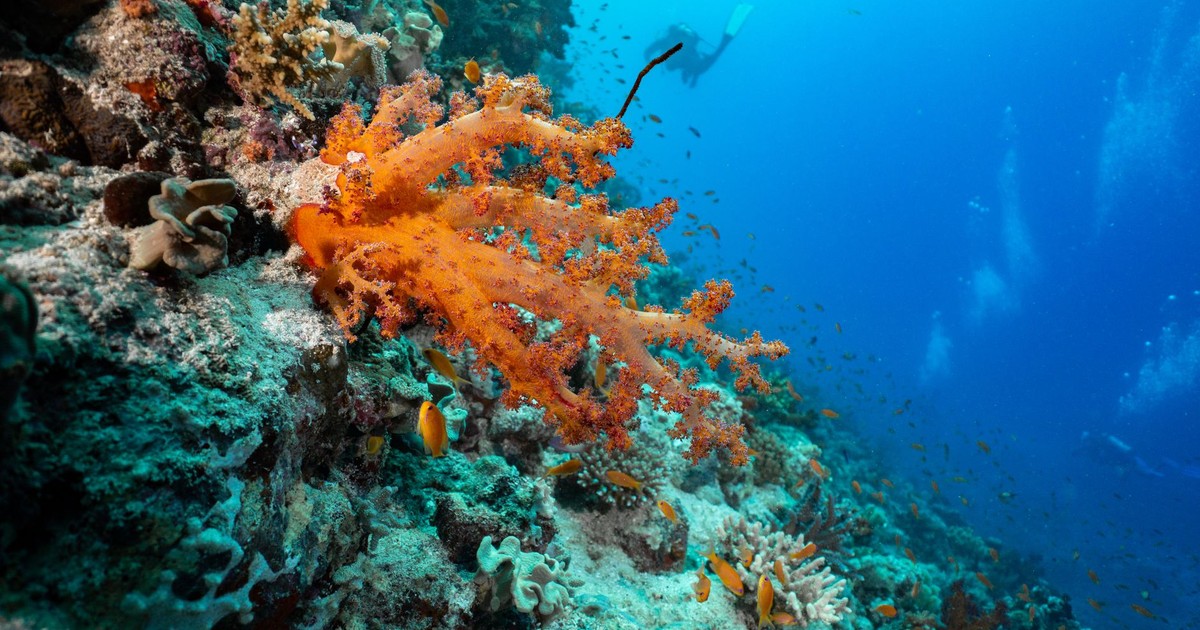
For divers, the island is home to healthy reefs and dramatic wall dives. Champagne Reef, named for the volcanic bubbles that rise through the seafloor and warm the water around you, is unlike any dive site in the conventional Caribbean sense. The geology that makes the interior of this island so unusual expresses itself underwater too, and the result is something divers from more established destinations specifically travel to see.
The Numbers Behind the Buzz
The growth in Dominica’s profile isn’t just anecdotal. According to Caribbean Journal’s 2026 report, citing Discover Dominica Authority Director of Tourism Marva Williams presenting at the CHTA Marketplace 2026 in Antigua, total visitor arrivals climbed to 496,635 in 2025, up from 432,989 in 2024, representing growth of roughly 15 percent. Stayover arrivals, meaning overnight guests rather than cruise passengers passing through, rose 19 percent to 99,846 visitors in 2025, surpassing the island’s pre-pandemic 2019 levels.
That momentum has continued into 2026, with first-quarter stayover arrivals rising another 10 percent compared to the same period in 2025. Cruise tourism is also accelerating rapidly, with Dominica welcoming 409,761 cruise passengers between October 2025 and April 2026, a 23 percent increase over the previous cruise season.
Even with all of that growth, Dominica still draws well under a million visitors per year. Compare that to Turks and Caicos or St. Kitts and Nevis, where annual visitor numbers sit between one and two million, and the scale difference becomes clear. Dominica is genuinely less visited than most Caribbean islands its size and profile would suggest, and that’s precisely what the people who go there are paying for.
What’s Changing, and What Isn’t
Several major infrastructure projects are expected to make Dominica even more accessible in the coming years. Construction of a new international airport is progressing toward completion ahead of the winter 2027 travel season. The island’s tourism authorities have already reported expanded airlift for the 2025-26 winter season, with increased flights arriving from the United States, Canada, and elsewhere.
That access matters because Dominica’s relative obscurity has historically been partly practical; getting there required planning, connections, and a willingness to work a little harder than flying direct to a major resort hub. As that changes, the question for the island is whether it can keep what makes it worth the trip: the wildness, the uncrowded trails, the reef where the only noise is volcanic bubbles.
The 2026 Travel + Leisure ranking marks the fifth consecutive year the Nature Island has been featured among the Caribbean’s leading islands in the publication’s annual readers’ survey. Five consecutive years suggests something more durable than a trend cycle. Readers keep returning to the same answer because the island keeps offering something that can’t be manufactured: terrain that hasn’t been smoothed out for someone else’s comfort.
Why the Crowds Haven’t Caught Up Yet
The island has been voted the best in the Caribbean by readers of one of the world’s most widely read travel publications. It has been named a top 2026 destination by National Geographic. It has a UNESCO World Heritage Site, the world’s only year-round sperm whale population, the longest hiking trail in the Caribbean, and a geothermal lake so unusual that reaching it is considered a bucket-list achievement. And yet, by the numbers, it still sees a fraction of the visitors that comparable Caribbean destinations attract.
Part of that is access, which is changing. Part of it is expectation. Dominica doesn’t promise relaxation in the resort sense. A week there involves physical effort, early mornings, trail mud, and the kind of tiredness that comes from actually using your body in the world. The luxury is environmental, not amenity-based. Secret Bay, the Relais & Châteaux property on the island, was named the No. 6 Best Resort in the Caribbean in the 2026 awards and has gained international attention for its private villas, plunge pools, personalized service, and island-to-table dining within a secluded rainforest setting. But even that property is built around what’s outside its walls, not what’s in them.
The travelers who rank Dominica above every other Caribbean island for five years running wanted to come back from somewhere, not just arrive. Dominica is still that island. For now, it’s also still accessible before the crowds figure it out.
Disclaimer: This information is not intended to be a substitute for professional medical advice, diagnosis, or treatment and is for information only. Always seek the advice of your physician or another qualified health provider with any questions about your medical condition and/or current medication. Do not disregard professional medical advice or delay seeking advice or treatment because of something you have read here.
AI Disclaimer: This article was created with the assistance of AI tools and reviewed by a human editor.