

The generation that fixed their own leaky faucets, that picked up the phone instead of firing off a text, that put money in a savings account every month, spent decades being told they were behind the times. The research has been stacking up, the labor market has been doing its own arguing, and the collective hangover from two decades of screen-first, convenience-first, debt-as-normal living is hard to ignore.
What looked like stubbornness, or technophobia, or an inability to adapt, looks increasingly like a set of habits that held up better than anyone expected. On a surprising number of fronts, the generation that got written off as out of touch may have been reading the room more accurately than the generations that followed.
Here are fifteen of them, grounded in what we actually know right now.
1. Fixing Things Yourself

With high mortgage rates and the lasting effects of inflation, 55% of homeowners now plan to take on more DIY home maintenance projects in 2025, as unexpected repairs strain budgets and drive creative solutions. In 2024, 83% of homeowners faced unexpected repairs, nearly double the rate from 2023, and 46% spent over $5,000 on those repairs.
Knowing how to patch drywall, unclog a drain, or swap out an outlet cover without calling someone saves people thousands. The Boomer who spent a childhood watching their father caulk the bathtub and their mother re-hang a door was acquiring something genuinely hard to put a price on: the confidence that problems can be solved with your own two hands.
The primary motivator for DIYers in 2026 is now simply “I’m able to do the work myself,” with cost savings cited by two-thirds of homeowners who tackle their own projects. The satisfaction that Boomers associated with competence around the house has come back around as a value that younger generations are actively seeking out.
2. Valuing the Trades Over a Four-Year Degree
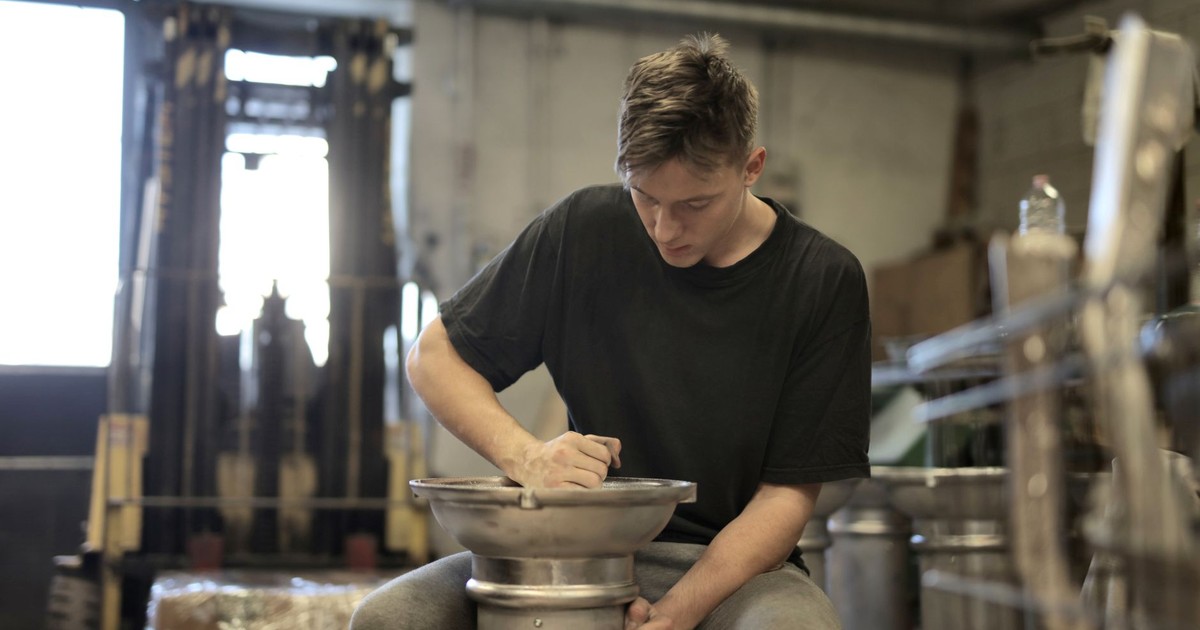
A 2026 Fortune report on JLL’s skilled trades research found that last year alone, nearly 600,000 jobs were posted for major skilled trades positions in the U.S., while only about 150,000 new workers entered the labor pool through apprenticeship programs. The share of teenagers considering vocational or trade school has more than doubled, from 12% in 2018 to 30% in 2024.
By 2030, an estimated 2.1 million trades positions could go unfilled, with potential economic losses reaching $1 trillion annually. Less than 5% of U.S. high school students are currently enrolled in vocational programs, compared with 55% in Germany. That gap is part of why plumbers are booked three weeks out, why new construction is delayed, and why a decent electrician in a mid-sized city now earns a salary that competes with a mid-level corporate manager, without the student debt.
3. Picking Up the Phone

Studies have found that we consistently overestimate how awkward a phone call will be and underestimate how much closer we’ll feel to someone after calling them versus texting, even when we prefer texting. Though texting has become the norm, it may not give us the same interpersonal benefits or alleviate loneliness as well as talking on the phone does.
Loneliness has been named a public health crisis in the U.S. Most people send dozens of messages a day. The issue is that messages without voice, without the cadence of a real conversation, the pause before someone answers a hard question, the laugh that lands differently when you hear it, don’t do the same thing for us emotionally.
4. Reading an Actual Book

The Sleep Foundation reports that people who read before bed generally sleep better, wake up less often, and sleep for longer than people who go to bed without reading. A physical book, specifically, skips the blue-light problem that makes screens so disruptive to the body’s melatonin production.
Backlit screens emit blue-wavelength light that suppresses melatonin, making it harder to fall asleep and reducing overall sleep quality. The phone on the nightstand, checked one last time before bed, is doing measurable physiological harm. The paperback is not.
A study published in Social Science & Medicine tracked 3,635 adults for up to twelve years and found that book readers showed a 20% reduction in mortality risk compared to those who did not read books, with readers also showing a survival advantage over those who read only magazines or newspapers.
5. Cooking at Home

Restaurant inflation has outpaced grocery inflation significantly across the last several years. Gen Z and younger millennials are returning to the kitchen in notable numbers, not because they have to, but because cooking has become a form of creative expression, of connection, of real-time accomplishment in a day otherwise dominated by screens.
Home-cooked meals are associated with better dietary quality, lower sodium and saturated fat intake, and a reduced likelihood of obesity. The family dinner table was not just a cultural artifact. It was public health infrastructure.
6. Actually Saving Money

The American savings rate has spent most of the post-2008 period either declining or being propped up by temporary pandemic-era savings that evaporated quickly. The Boomer habit of building an emergency fund, paying down debt before spending money on nonessentials, and viewing financial prudence as a basic adult responsibility looks significantly more sensible when interest rates are high and inflation has been eating at purchasing power for years.
Financial stress is one of the leading drivers of anxiety and relationship conflict. The boring habit of having money put aside is not just balance-sheet wisdom, it is mental health infrastructure, operating in the background of everything else.
7. Valuing In-Person Time
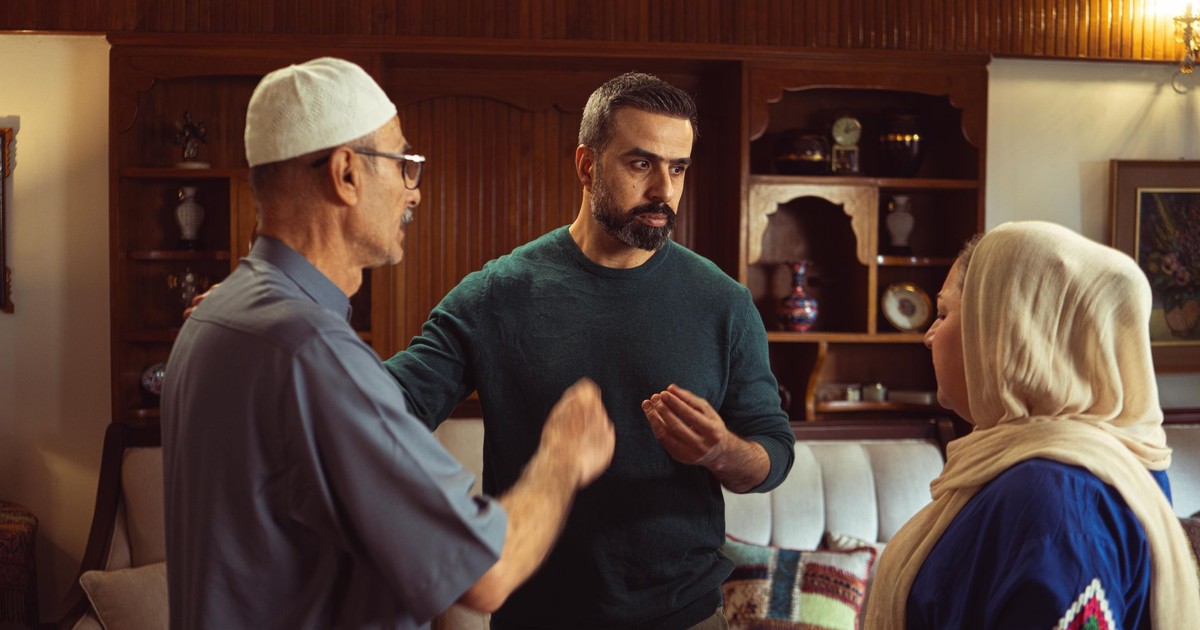
The pandemic years compressed a shift dramatically, and what emerged on the other side was a loneliness crisis of a scale that has led the U.S. Surgeon General to formally describe it as a public health emergency.
For middle-aged and older adults, in-person socialization, phone calls, and texting reduced the odds of loneliness by 16% to 30%. The social infrastructure that Boomers maintained, the standing dinner with friends, the neighbor you actually talked to, the workplace relationship that extended beyond Slack messages, wasn’t inefficient. It was load-bearing.
In-person connection requires effort, logistics, and the willingness to be present without an exit option. Boomers tended to treat that as normal. The generation that discovered it was optional, then discovered how badly it was missed, is now having to relearn the logistics of showing up.
8. The Firm Handshake
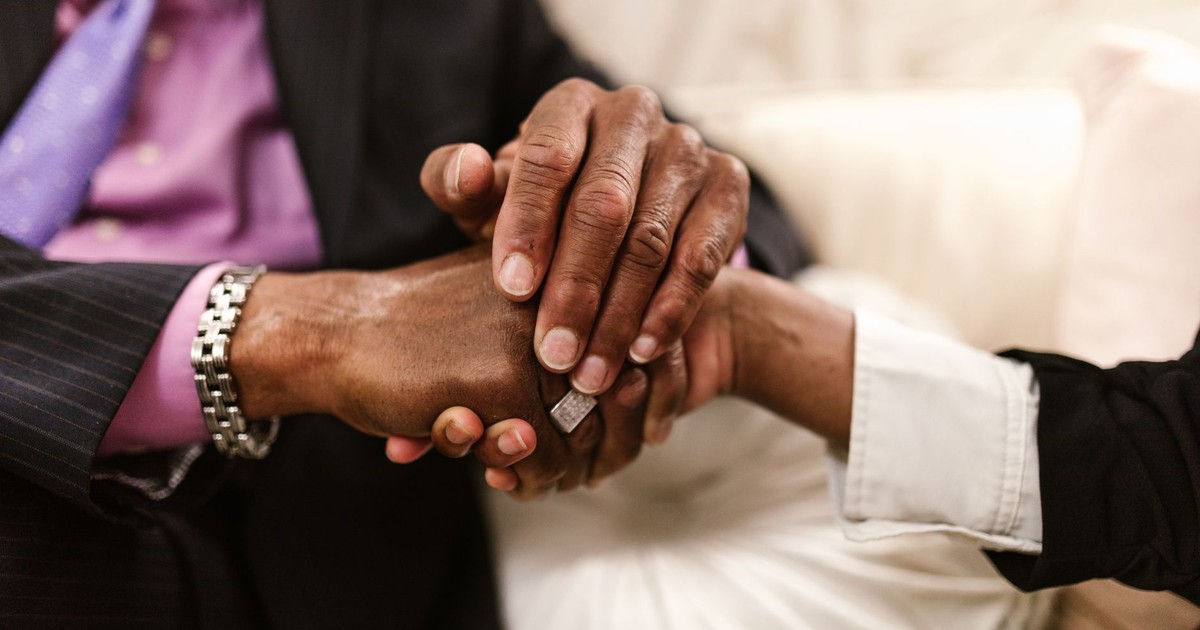
Research from the University of Iowa found that interviewers who experienced a firm handshake were more likely to rate candidates as hirable and social, independent of personality and appearance factors. A 2022 study published in Cognitive Science found that physical touch, including handshakes, activates trust responses in the brain significantly more reliably than verbal greetings alone.
A lot of what passed for outdated social convention among Boomers, looking someone in the eye, following through on a commitment made in person, treating face-to-face accountability as more binding than a typed message, was doing real psychological work that asynchronous digital communication doesn’t do.
9. Limiting Screen Time for Kids

The research on excessive screen time in children and adolescents has not been kind to the years of unfettered device access that followed. Attention difficulties, disrupted sleep, heightened anxiety and depression rates among teenagers have been growing consistently since the mid-2010s.
The American Psychological Association, the American Academy of Pediatrics, and researchers across multiple countries have all raised alarms about the relationship between heavy social media use and adolescent mental health, particularly among girls. A child who spent summers outside, who read books out of genuine boredom, who developed the capacity to entertain themselves without a screen, built something genuinely difficult to retrofit: an attention span.
10. Writing Things Down

Research consistently shows that handwriting activates more of the brain than typing, engages memory encoding more deeply, and produces better retention of information. Students who take notes by hand retain lecture content at significantly higher rates than students who type them. The physical act of writing forces a kind of processing, you can’t write fast enough to transcribe everything, so you have to understand and compress, that tapping on a keyboard does not require.
A handwritten letter to someone you care about is categorically different from a message in their inbox. It requires time, physical materials, and a commitment to a single train of thought without the option to edit and re-edit indefinitely. People who receive them tend to keep them.
11. Staying Loyal

Longevity in relationships, professional and personal, produces things that can’t be acquired quickly. Trust built over years. Deep knowledge of how someone thinks, what they need, and how they behave under pressure. Institutional knowledge that a newer, higher-paid replacement doesn’t carry.
The Boomer instinct to honor a commitment, to value continuity, and to recognize that some things take years to build and seconds to destroy was not naivety. It was a reasonable understanding of how compounding works, in finances, in friendships, and in the workplace.
12. The Sunday Family Dinner

Research on family meals consistently finds that regular shared dinners are associated with better mental health outcomes for children and adolescents, stronger family cohesion, and lower rates of risky behavior in teenagers. The regularity matters as much as the meal. A standing dinner creates a social anchor, a predictable, low-stakes occasion for people to be physically present together without an agenda.
That rhythm is what makes real conversation possible. It doesn’t happen at the first dinner. It happens after forty of them, when the familiarity has built up enough that people say things they actually mean.
13. Getting Outside Every Day

The research on the benefits of daily outdoor time is now extensive and consistent. Time spent in natural light regulates circadian rhythms, improves sleep, supports vitamin D synthesis, and has been linked to reduced rates of depression and anxiety. Green spaces specifically, parks, gardens, tree-lined streets, produce measurable reductions in cortisol and improvements in attention and mood.
Children who spend more time outdoors show better attention, lower stress, and stronger fine motor development than those who don’t. The Boomer who turned off the TV and pointed toward the back door was practicing preventive medicine without calling it that.
14. Buying Quality and Making It Last
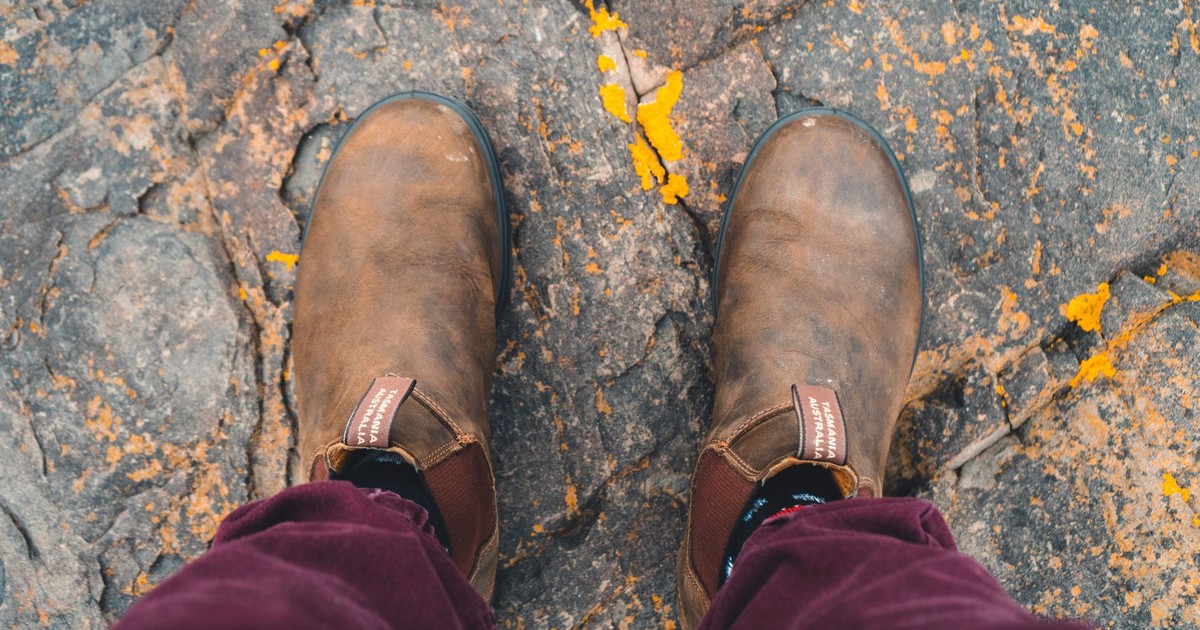
A $300 piece of clothing worn 200 times costs $1.50 per wear. The $40 equivalent worn 15 times costs $2.67. The Boomer instinct to buy well and maintain what you own was economically sound, and the environmental case for it has grown considerably stronger. The fast fashion industry alone generates an enormous volume of textile waste annually, and the furniture market’s move toward cheap, disposable particleboard has created landfill problems that are genuinely difficult to reverse.
Things were fixed rather than replaced. Tools were kept in good condition. The car was serviced before it broke down. These habits reflect an orientation toward ownership that differs fundamentally from a consumption model that treats everything as temporarily borrowed until something better comes along.
15. Trusting Face-to-Face Conversation

Boomers were the generation that expected a hard conversation to happen in person. That a disagreement between friends deserved more than a passive-aggressive message. That if something important needed to be said, it was said to someone’s face, with the discomfort and accountability that required. The migration of difficult conversations into text threads and email has not made them easier. It has made them worse.
Research on digital communication and conflict consistently finds that written messages are more likely to be misread, more likely to escalate, and less likely to resolve than the same conversation conducted in person. The absence of tone, gesture, and the real-time feedback loop of someone’s face means that misunderstandings compound rather than correct.
The knowledge that someone is physically in front of you, that they can see when you’re being evasive and hear when your voice changes, produces a different quality of honesty than a keyboard and a screen. The face-to-face conversation was not an inconvenient formality. It was where real things got said.
Read More: 8 Ways Boomer Parenting Influences Anxiety in Their Children
What This Actually Means
Some of what looked like generational stubbornness was actually pattern recognition. Boomers had watched what happened when you didn’t fix things yourself, didn’t save, didn’t show up, didn’t call, didn’t have a standing dinner. They had lived long enough to see the second and third-order consequences of certain choices, and their preferences reflected that.
Valuing in-person connection, refusing to treat skilled work as lesser work, insisting on the phone call, none of these were personality quirks. They were positions that the evidence has validated, one study and one labor market report at a time. The habits holding up aren’t holding up because they’re old. They’re holding up because they work.
Disclaimer: This information is not intended to be a substitute for professional medical advice, diagnosis, or treatment and is for information only. Always seek the advice of your physician or another qualified health provider with any questions about your medical condition and/or current medication. Do not disregard professional medical advice or delay seeking advice or treatment because of something you have read here.
AI Disclaimer: This article was created with the assistance of AI tools and reviewed by a human editor.