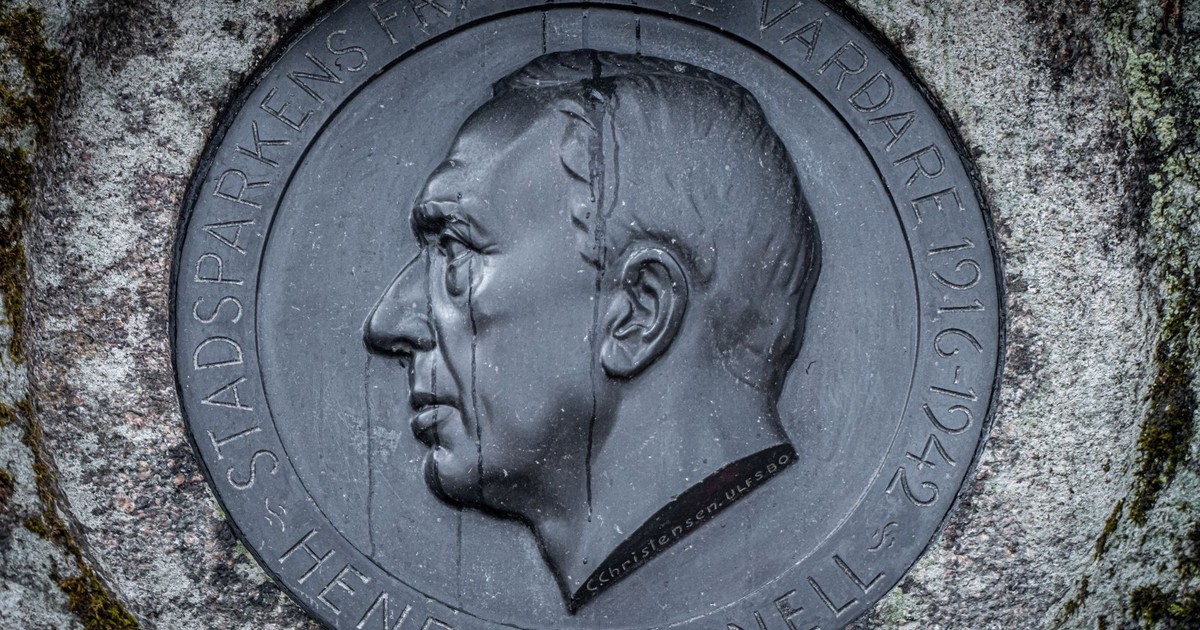

The most jarring part about the nickname “Ivan the Terrible” isn’t the man it describes. It’s that the word “terrible” didn’t mean what we think it means, and the name wasn’t fully settled during his own lifetime. A ruler can terrorize half a continent, kill thousands, and not earn his enduring label until decades after he’s in the ground. Historical nicknames are rarely self-generated, rarely accurate, and almost never mean what they appear to mean on the surface.
The best historical nicknames carry the weight of an entire era in two or three words. They’re shorthand biographies, compressed verdicts handed down by enemies, admirers, propagandists, and folk-song writers who couldn’t have imagined that their labels would stick for five centuries. Some were earned on a battlefield. Some were coined by satirists who hated the man in question. A few were mistranslations that calcified into legend. And some were so perfectly chosen that they’ve outlasted empires, dynasties, and the very languages in which they were first spoken.
These are the fifteen most unforgettable, and in several cases, most misunderstood, historical nicknames ever given to a human being.
1. Ivan the Terrible
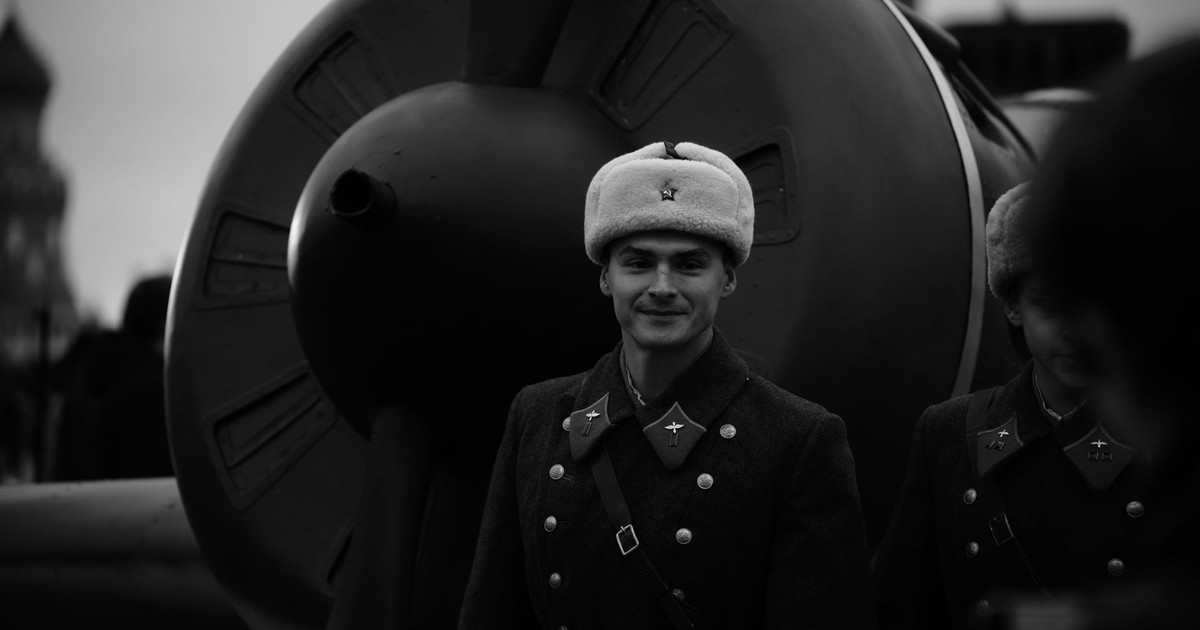
Despite his well-known nickname, Ivan did not take on the “terrible” moniker in a settled way during his lifetime. The nickname emerged in folk songs and popular usage during the 16th century and solidified further in later centuries, long after Ivan IV had died in 1584. The man most people picture when they hear the phrase “Ivan the Terrible”, a scepter-wielding paranoid who murdered his own son in a rage, existed for a long time in history as simply Ivan IV.
The nickname itself is a translation problem that never got corrected. His original Russian title “Groznyi” meant “formidable,” “fearsome,” “menacing,” or “awe-inspiring.” When the “Terrible” label was first applied, it was intended to suggest an awe-inspiring and fearsome power, a very different proposition from the modern English connotation of something simply being dreadful or wicked. The shift happened gradually as the word “terrible” darkened in English usage, and by the time it had fully soured in tone, Ivan’s reputation had grown dark enough to match it anyway.
Initially a peaceful and progressive leader, Ivan later became an autocrat who murdered thousands of boyars and civilians to consolidate power. He was the first Russian leader to be officially proclaimed and crowned “tsar.” The nickname, then, is both wrong and right simultaneously: wrong in its original intent, and right in the horror that eventually justified it. Smithsonian Magazine remains one of the clearest accounts of how a translation artifact becomes an accepted verdict of history.
2. Richard the Lionheart
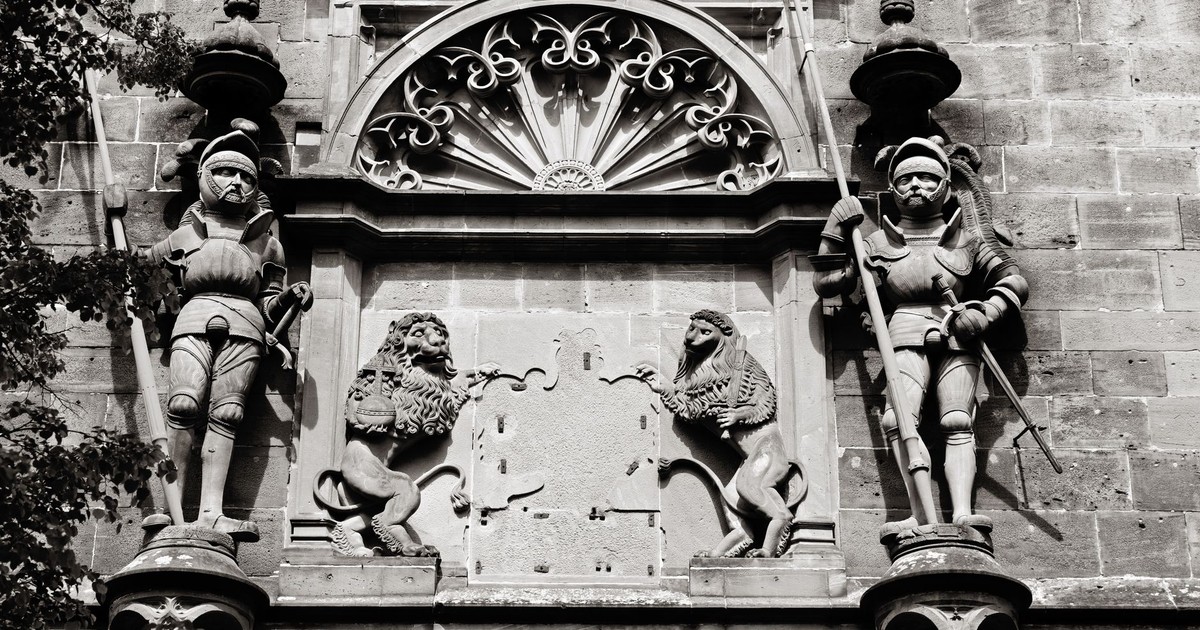
The nickname “Lionheart” was not English in origin. The earliest recorded uses of Cœur de Lion appear in French sources, specifically in the troubadour poetry of the late twelfth century. The most iconic English king in popular imagination, the good king whose name makes the Robin Hood legend function, got his defining name from French troubadours singing about his battlefield valor.
Despite his status as one of England’s most renowned monarchs, Richard’s presence in his island realm was notably brief. Of his decade-long reign, he spent a mere six months in England, dedicating the majority of his time and energy to military campaigns abroad. England was essentially a revenue base that funded his campaigns elsewhere. Yet the nickname that came out of those campaigns, earned in dusty sieges and desert skirmishes thousands of miles from London, attached itself permanently to the English crown.
At the siege of Acre in 1191, Richard was said to have walked unarmed along the walls under fire to inspect the defenses, his composure so total that his own soldiers were steadied by watching him. At the Battle of Arsuf the same year, he held his cavalry back under a devastating rain of arrows from Saladin’s forces until exactly the right moment, then unleashed them in a charge that broke the Ayyubid line. According to Histories & Castles, the Romantic movement of the eighteenth and nineteenth centuries entrenched Richard’s image further, with novels, paintings, and eventually films seizing on him as the ideal of chivalric kingship.
3. Vlad the Impaler
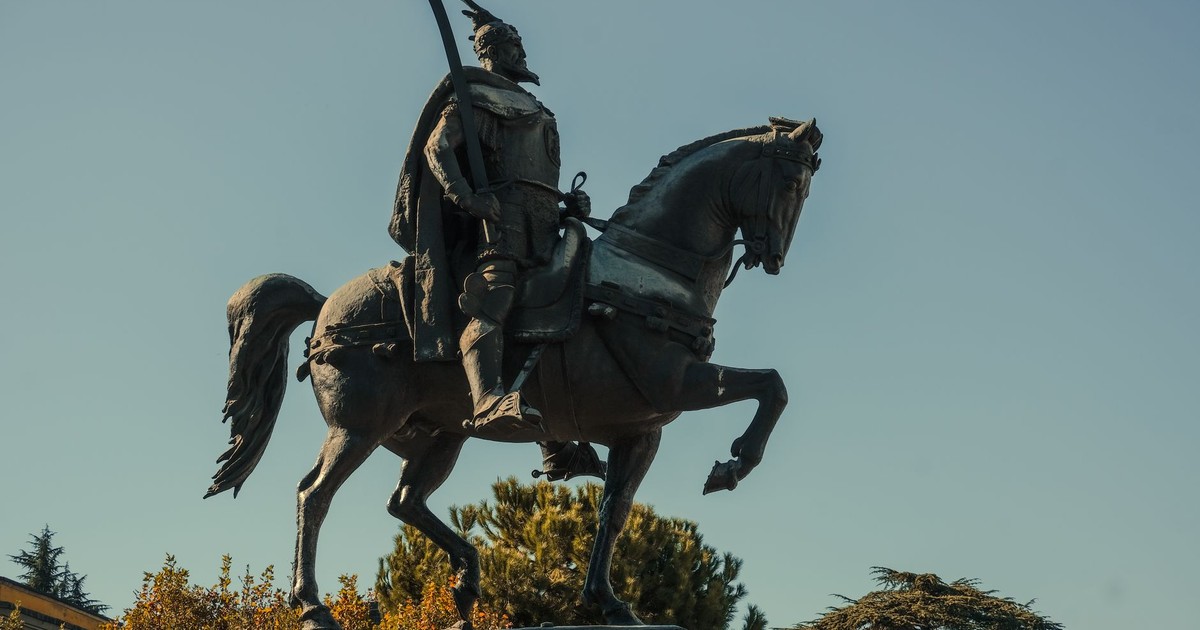
Vlad the Impaler was born in 1431 in Sighișoara, Transylvania, and served as a voivode (military governor, or prince) of Walachia whose cruel methods of punishing his enemies gained notoriety in 15th-century Europe. The nickname is almost comically literal. Unlike most historical sobriquets that require linguistic excavation or translation context, this one says exactly what it means. His penchant for impaling his enemies on stakes in the ground and leaving them to die earned him the name Vlad the Impaler.
What the nickname doesn’t capture is the stranger complexity of the man’s reputation in his own region. He remained a folk hero in the region for his efforts against Ottoman encroachment. His people didn’t see a monster; they saw a defender. It has often been thought that Stoker based the title character of his novel Dracula on Vlad the Impaler, though Stoker’s notes for the novel include mentions of “Dracula” without reference to the deeds for which its bearer was known. The nickname effectively made him globally famous in the nineteenth century, centuries after his death.
The Impaler was a label that landed differently depending on whose side you were on, which is true of most great historical nicknames. They are always, at least partly, a point of view. Britannica’s full biography makes clear that the brutal acts behind the name were thoroughly documented by contemporaries, even as his own people told a considerably different story.
4. Alexander the Great
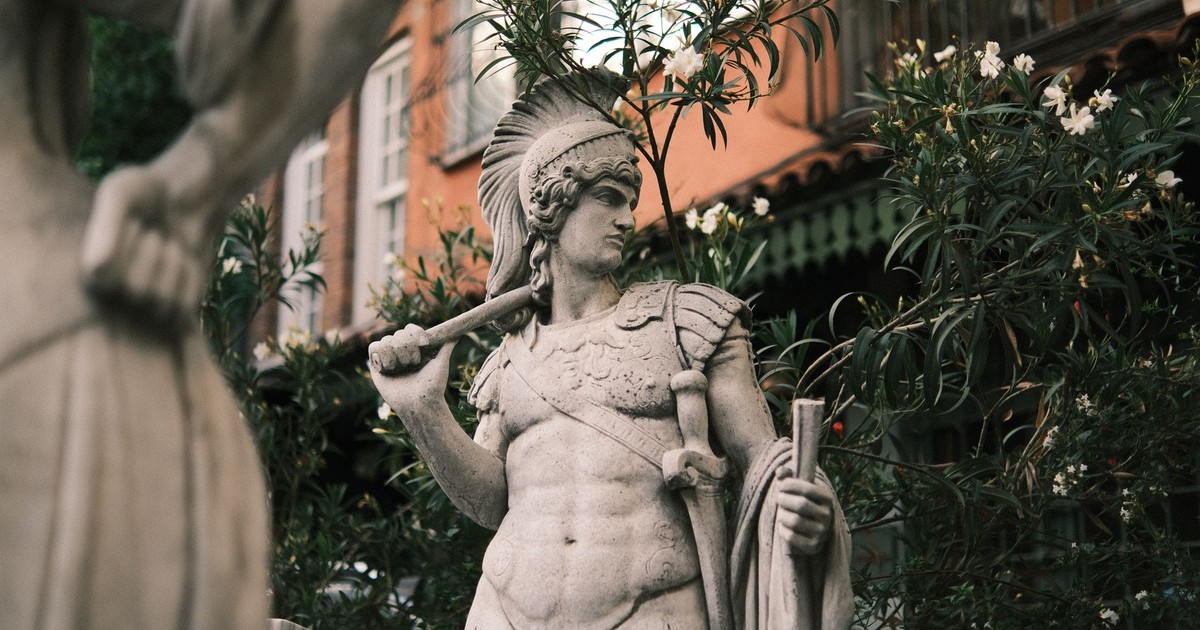
Scores of kings, emperors, princes, generals, warlords, and rulers throughout the ages have earned the title “the Great” at one time or another. But only one of them made it the default. When someone says “Alexander the Great” without any other context, there is no ambiguity about which Alexander they mean, the young Macedonian king who rewrote the map of the known world before dying young.
Alexander the Great reigned as king of ancient Macedonia from 336 to 323 BCE, a span of 13 years, and changed the course of history. One of the world’s greatest military generals, he created a vast empire that stretched from Macedonia to Egypt and from Greece to part of India, and this allowed Hellenistic culture to become widespread. He likely would have pressed on further east had his homesick troops not pressed him to turn back. He died young, and in less than 20 years his vast realm had splintered.
The nickname is interesting precisely because “the Great” is so vague. It’s not descriptive the way “the Impaler” is, or even “the Lionheart.” It’s a verdict, a superlative, a declaration that this particular person sits in a category apart. What makes it stick is the fact that later rulers actively wanted to inherit it. Julius Caesar and Augustus both made pilgrimages to Alexander’s tomb in Egypt, and Napoleon studied his campaigns from an early age as a model of military ambition. The universal acceptance of Alexander’s claim to the title is all the more remarkable given how freely later conquerors reached for the same standard.
5. Attila the Hun, “Scourge of God”

The proper name “Attila” is almost secondary at this point. The fuller title, Attila the Hun, Scourge of God, is one of the most dramatic labels in human history, and unlike many historical nicknames, this one may have been partially self-authored. Attila the Hun was the leader of the Hunnic Empire in Central and Eastern Europe from 434 AD to 453 AD. Despite his reign lasting less than 20 years, he was one of Rome’s most fearsome foes, mercilessly sacking Roman cities and towns. This earned him the nickname “The Scourge of God.”
The theological framing is the remarkable part. Roman writers, steeped in Christian thought, interpreted catastrophic invasion as divine punishment, and Attila played into this framing deliberately. Ancient sources suggest he understood the terror his reputation generated and weaponized it as a psychological tool in advance of military campaigns. A city that had already heard that God’s own scourge was approaching didn’t need much more convincing to surrender.
His campaigns pushed into what is now France, Italy, and the Balkans, and the Roman Empire never quite recovered from the hemorrhage of resources his raids forced. The nickname outlasted both the man and the empire he tore apart. When someone becomes a synonym for catastrophe in cultures and languages they never touched, that’s a specific kind of power.
6. Genghis Khan, “Universal Ruler”
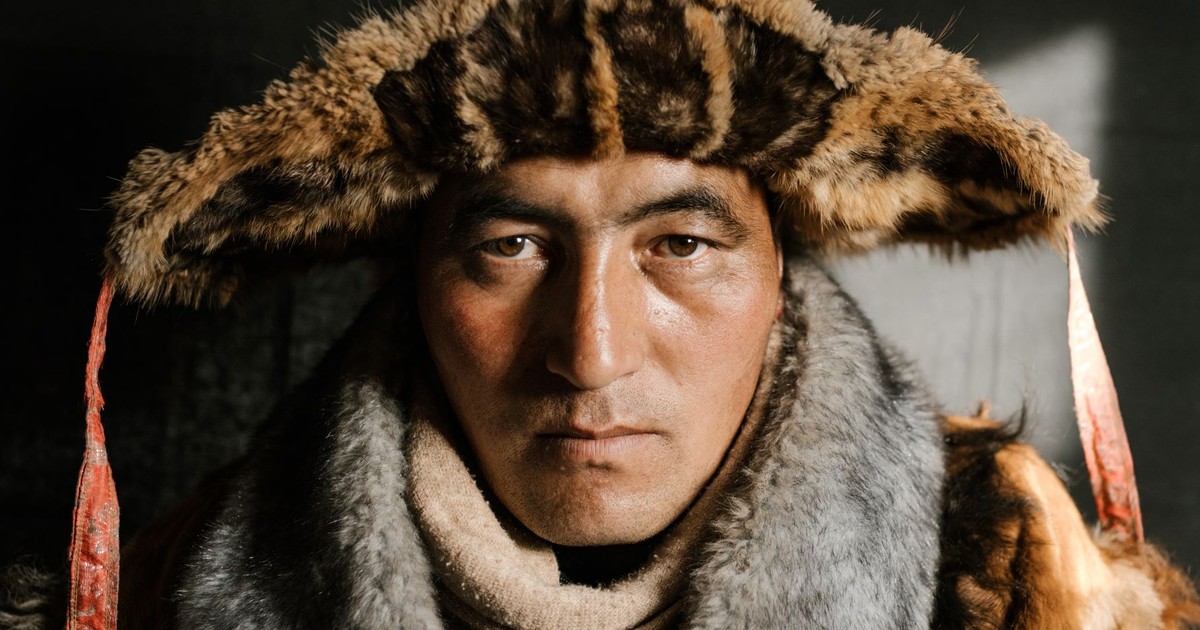
The name “Genghis” is more of a nickname than his real name, which was the slightly less-imposing “Temüjin.” Born into a minor Mongol clan around 1162, Temüjin consolidated the fractious steppe tribes under his control through a combination of military genius, political calculation, and brutal enforcement of loyalty. When he was proclaimed supreme leader of the Mongols in 1206, he took the title “Genghis Khan”, meaning “universal ruler” or “oceanic ruler,” denoting sovereignty without limit.
Genghis Khan is known as the founder of the Mongol Empire. At its peak, that empire became the largest contiguous land empire in history. The renaming from Temüjin to Genghis Khan was not incidental. It was a calculated reinvention, a declaration that the man who had been born into poverty and briefly held as a slave had transcended not just his origins but the concept of ordinary rule entirely.
The name carried military weight in its own time too. Subject peoples who had heard the name Genghis Khan understood that the negotiation was over before it started. That kind of pre-emptive surrender, triggered by a name alone, is the nickname as a weapon of war, and no historical figure deployed it more effectively.
7. William the Conqueror
William the Conqueror was the Duke of Normandy who became King of England in 1066. The nickname is a statement of fact compressed into a title: he arrived, he conquered, end of story. The Battle of Hastings on October 14, 1066, changed the English language, the English aristocracy, the English church, and the English legal system in ways that reverberate eight centuries later in every court document and government statute that still uses French-derived legal terminology.
What the stark simplicity of “the Conqueror” glosses over is how unlikely the whole enterprise was. William had no direct hereditary claim to the English throne that any rival wouldn’t equally contest. His success depended on winning a single battle on a single autumn day, one where, at several points, the outcome genuinely hung in the balance. Had Harold’s shield wall held until nightfall, the man might be remembered as William the Pretender, or simply forgotten entirely.
The name also obscures the fact that William was known by a rather different nickname among his enemies before 1066: William the Bastard, a reference to his illegitimate birth as the son of a Norman duke and an unmarried tanner’s daughter. He went from “the Bastard” to “the Conqueror” in the space of one afternoon. Few historical nicknames capture a life’s transformation quite so efficiently.
8. Catherine the Great
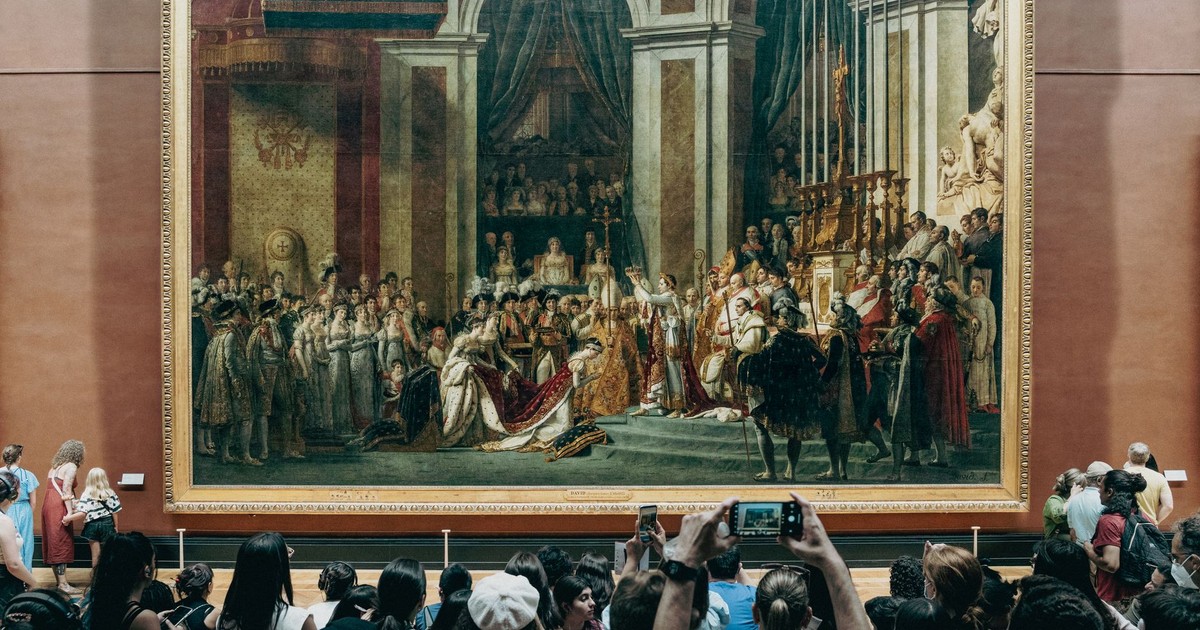
Catherine II of Russia, known as Catherine the Great, reigned as Empress from 1762 to 1796, modernizing administration and acquiring vast territories including Crimea. The nickname is notable for one specific reason that often gets overlooked: she didn’t want it. Catherine didn’t like the title “the Great.” She believed that the significance of her deeds should be evaluated by future generations. The empress agreed to accept the title of “the Mother of the Fatherland,” but her subjects and courtiers still continued to call her “the Great.”
That distinction matters. Catherine was born Sophie of Anhalt-Zerbst, a minor German princess with no claim to the Russian throne. She married into it, navigated the treacherous Russian court, deposed her own husband, and then spent 34 years reshaping an empire. She corresponded with Voltaire and Diderot, expanded Russia’s western border substantially, and overhauled the legal code. The “Great” arrived organically from a court that watched all of this happen in real time.
She resisted the title precisely because she understood how cheaply superlatives were handed out among European royalty. History proved her wrong to be skeptical: the nickname has outlasted all the others, and not a single serious historian would take it back.
9. Napoleon, “The Little Corporal”
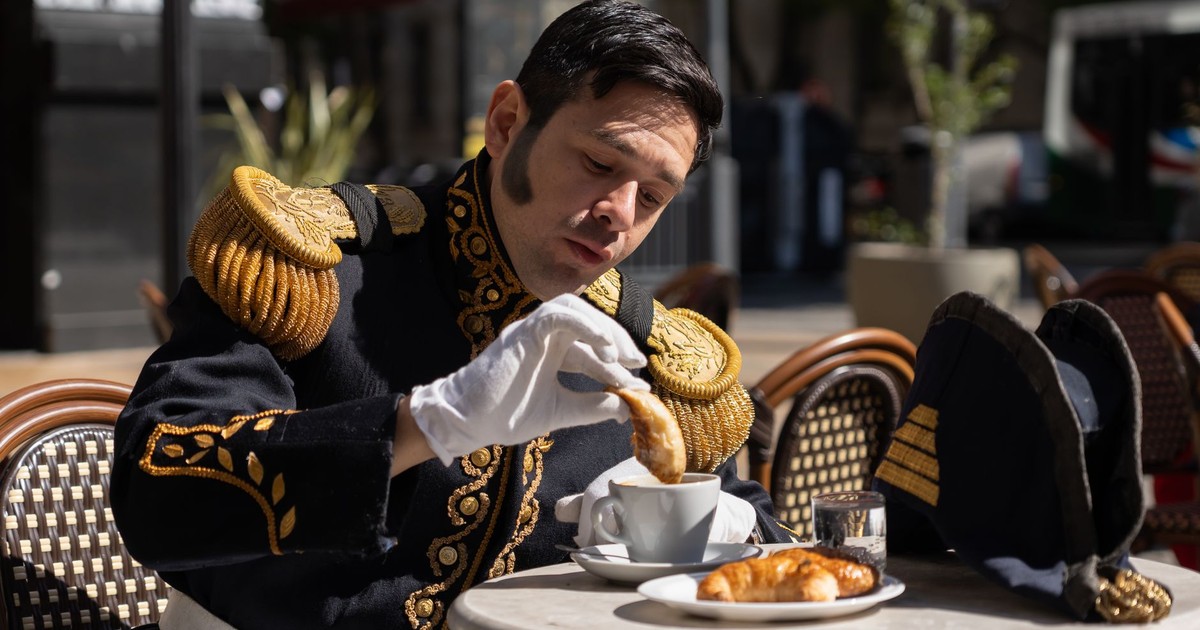
Napoleon Bonaparte accumulated more than twenty nicknames across his lifetime, “The Eagle,” “The Devil’s Favourite,” “The Heir of the Republic,” but none has stuck like the one that was meant as a term of affection, not mockery. The Little Corporal was an affectionate nickname supposedly given to Napoleon by some old grenadiers after the Battle of Lodi in 1796. He had fought alongside them, exposed himself to the same artillery fire, and impressed soldiers who expected their commanders to stay at a safe distance. It was a compliment from fighting men who appreciated a general willing to share the risk.
The nickname was later weaponized by the British, who stripped it of its warmth and used it purely to belittle. The British began calling him “Boney” or “Little Boney” at the beginning of the nineteenth century and used it even after the fall of the Empire. Propaganda caricatures depicted him as a tiny, petulant child throwing a tantrum in an oversized emperor’s costume, a visual language designed to diminish the man who had threatened invasion of Britain itself.
The historical consensus is that Napoleon was around 5 feet 6 or 7 inches tall by modern measurement, solidly average for a European man of his era. The “little” persisted anyway, embedded in a nickname that had started out as praise, then became a punchline, and ended up as the detail most people still believe. Once a well-attached nickname takes hold, it’s almost impossible to peel off, even when the facts don’t support it.
10. Suleiman the Magnificent
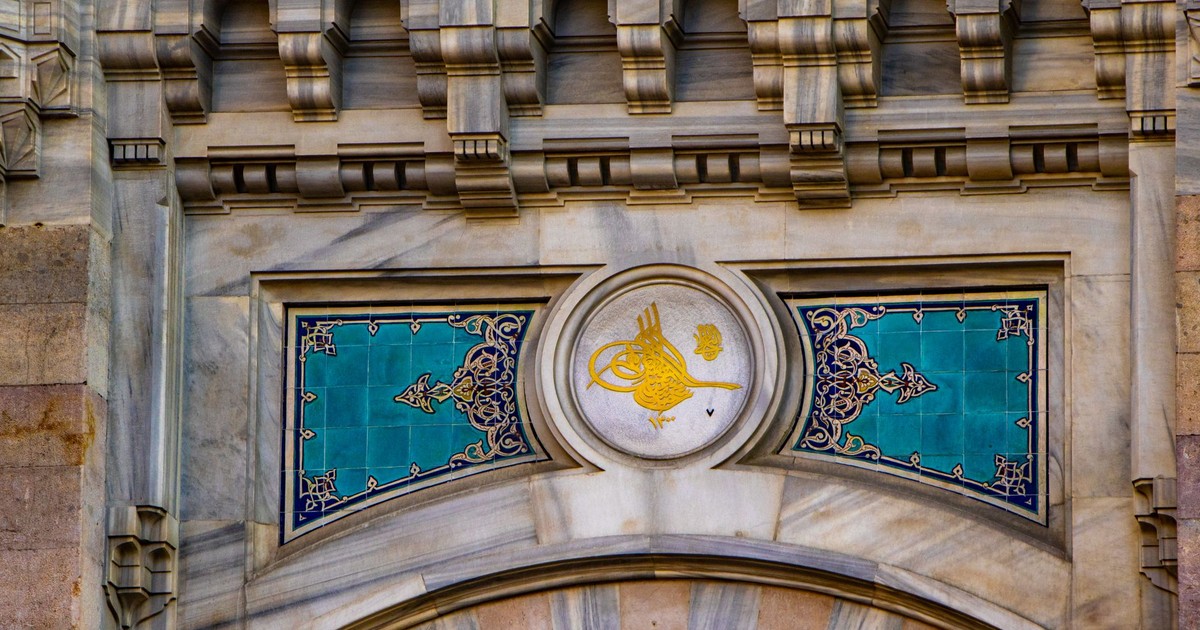
Suleiman the Magnificent was an Ottoman sultan known for his military and cultural achievements. He ruled the Ottoman Empire from 1520 to 1566, overseeing its greatest territorial reach, from Hungary in the west to Mesopotamia in the east, from the Crimea in the north to Yemen in the south. “The Magnificent” was actually a Western, specifically European, honorific. His own subjects called him something rather different.
In the Ottoman world, Suleiman was known as “Kanuni”, the Lawgiver. This was the title his own people considered his most important legacy: the comprehensive reorganization of the empire’s legal, administrative, and military systems. The Western label focused on the spectacle of his court, the opulence of his campaigns, the sheer visible scale of his power. The Eastern label focused on what actually held it together.
The divergence between what enemies call you and what your own people call you runs through the history of great nicknames. The Magnificent came from outsiders staring at a display of wealth and military might they couldn’t match. The Lawgiver came from the people who lived inside the system he built. Both names were accurate. They just described different things about the same man.
11. Charlemagne, “Father of Europe”
The very name “Charlemagne” is itself a nickname, a French compression of “Charles the Great”, Carolus Magnus in Latin. King of the Franks and Lombards from 768 and Emperor of the Romans from 800, he received the title for unifying much of Western Europe and fostering the Carolingian Renaissance. He also picked up the label “Father of Europe,” a tag that would later be applied by historians trying to explain what his reign actually produced in the long run.
What Charlemagne created wasn’t just a large empire. Large empires were commonplace in antiquity. What set him apart was the administrative infrastructure he built inside it: a standardized currency, a common script (Carolingian minuscule, which forms the basis of the lowercase letters you’re reading right now), and a push for widespread literacy through cathedral schools. The “Father” epithet captures something the “Great” doesn’t: the generative quality of his rule, the sense that what came after in Western European civilization had him somewhere in its ancestry.
He also collected nicknames the way other rulers collected territory. His intimates called him “David,” after the biblical king. Scholars at his court gave him the honorific “Light of Europe.” The French and Germans both claim him as a national founder, a dispute that gets diplomatically handled by simply calling him Charlemagne, the name that belongs to neither language and both of them.
12. Frederick the Great
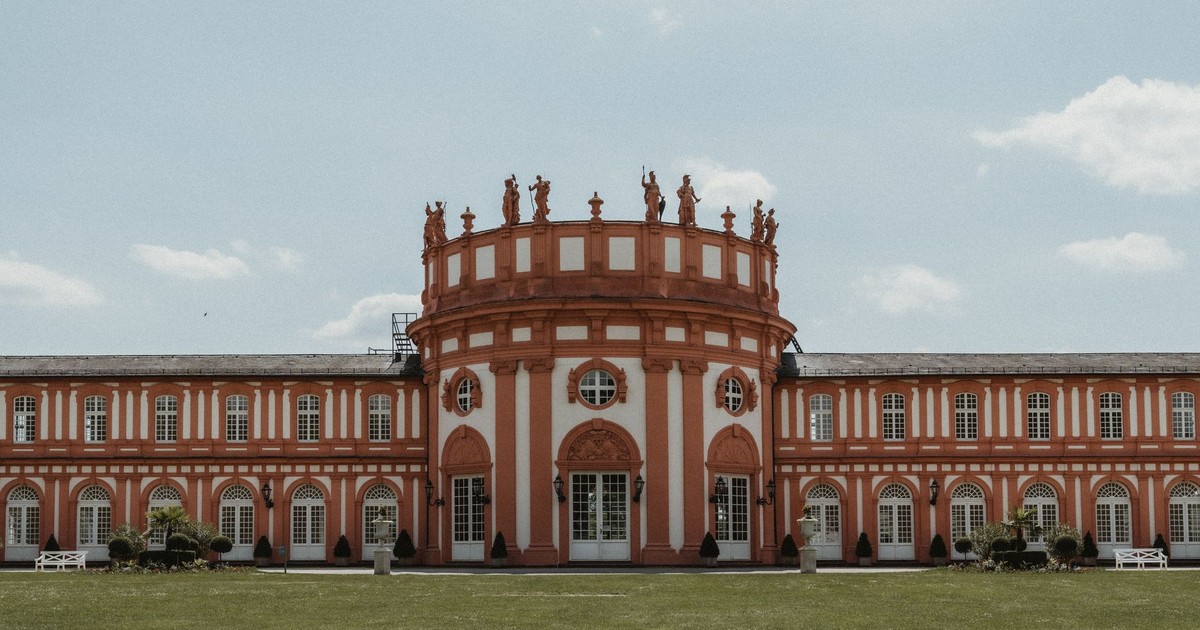
Frederick II of Prussia, called Frederick the Great, ruled from 1740 to 1786 and expanded Prussian territory through military victories including those in the Silesian Wars. He took a second-tier European kingdom and turned it into a great power through a combination of military innovation and personal intellectual ambition that his contemporaries found genuinely baffling in combination. He wrote poetry in French, played the flute proficiently enough to perform with professional musicians, and corresponded at length with Voltaire while simultaneously drilling the most efficient army on the continent.
The “Great” arrived during his own lifetime, which was unusual. Most rulers waited for posterity to decide. His victories in the Seven Years’ War against a coalition that included France, Austria, and Russia, all at once, while emerging with his territory intact, cemented the label. Military historians still study his campaigns as case studies in maneuver warfare with smaller, faster forces outthinking larger ones.
He is also one of the rare cases where a ruler’s enemies agreed with the nickname. The French generals who fought him. The Austrian commanders who failed to dislodge him. The Russian officers who watched him neutralize superior numbers through speed of movement. They all recognized they were dealing with someone operating at a different level. That kind of cross-enemy consensus is perhaps the most honest endorsement a historical nickname can receive.
13. Joan of Arc, “The Maid of Orleans”
Joan of Arc’s primary nickname, La Pucelle d’Orléans, The Maid of Orleans, arrived from a single battle, fought in 1429, when she led the relief of the besieged city of Orleans and turned the entire momentum of the Hundred Years’ War. She was 17 years old. The English had held Orleans under siege for months. Within nine days of her arrival, the siege was broken.
“Maid”, La Pucelle, carried specific meaning at the time: a young unmarried woman, explicitly also a virgin, which for the 15th-century French had spiritual resonance tied to her claimed divine mission. The nickname was a description of her status but also a declaration of her nature: uncorrupted, set apart, neither soldier nor noblewoman but something outside existing categories. It was a label that made her harder to dismiss, which is probably why her enemies worked so hard to use it against her at trial.
The Orleans part of the title did something important: it fixed her identity to a specific moment of victory rather than to a person’s characteristics. Most historical nicknames are adjectives. The Maid of Orleans is a record of an event. History remembers her through the lens of what she accomplished there, which is an unusually honest way for a nickname to function. It points directly at the thing that mattered.
14. Basil the Bulgar Slayer
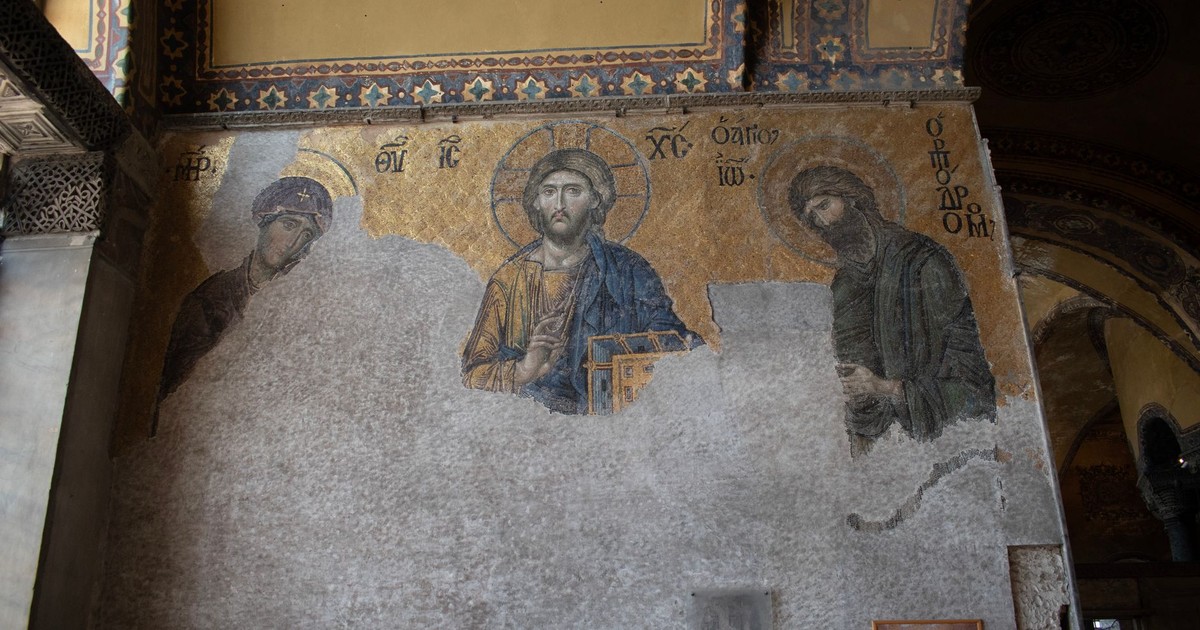
Of all the historical nicknames on this list, this one requires the least explanation and generates the most immediate unease. Basil II of the Byzantine Empire, reigned 976 to 1025, earned this label through an act of deliberate mass cruelty so extreme that it shocked his own era. After defeating a Bulgarian army at the Battle of Kleidion in 1014, he took approximately 15,000 Bulgarian prisoners, blinded 99 out of every 100 of them, and left one eye to every hundredth man so that each group of 100 could be led home. When the Bulgarian tsar Samuel saw his army returning, he reportedly died of shock two days later.
The nickname is not an exaggeration or a metaphor. It is a direct description of a documented historical event. And yet Basil II is also recorded as an effective and often pragmatic administrator who stabilized the Byzantine Empire at its peak territorial reach. The Bulgar Slayer coexists with the competent emperor, another example of the nickname capturing only one dimension of a ruler who operated in several.
What the nickname also reflects is the Byzantine practice of psychological warfare: making an example so severe that no neighboring power could ignore the message. Basil understood that terror, properly deployed, was more efficient than repeated military campaigns. The nickname spread the message further than any army could.
15. Louis XIV, “The Sun King”
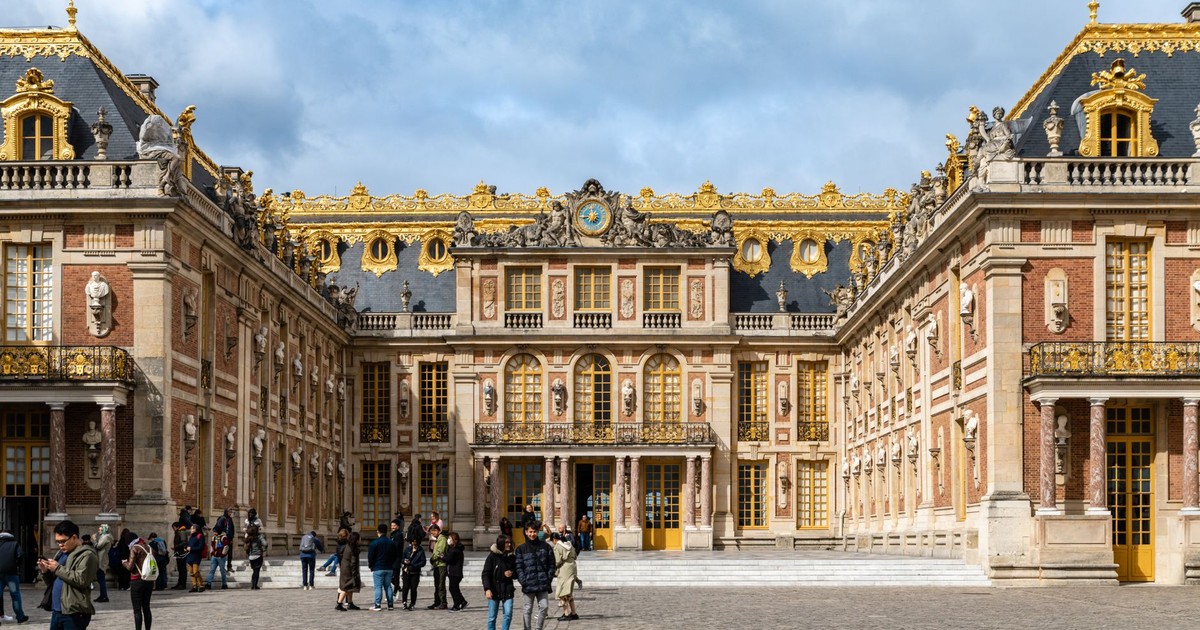
Louis XIV, “The Sun King,” was the French king who embodied absolute monarchy. He reigned for 72 years, the longest reign of any major European monarch in recorded history, and his nickname was not something that emerged organically from public admiration. Louis engineered it himself. He chose the sun as his personal emblem deliberately, staging his first appearance as the sun god Apollo in a royal ballet at the age of 14, and spent the following decades building an entire visual and political language around the image.
Versailles was the physical expression of the nickname. Every element of the palace, the Hall of Mirrors, the royal bedchamber positioned at the symbolic center of the building, the daily ritual of the “lever” and “coucher” in which courtiers attended the king’s rising and going to bed as if witnessing a solar event, was designed to reinforce the idea that French civilization revolved around one man as the solar system revolves around the sun. The nickname wasn’t a label applied from outside. It was a branding exercise centuries before anyone had a word for that.
The Sun King label endured long after Louis’s specific brand of absolute monarchy became untenable, which says something about how effectively he built it. He died in 1715, 74 years before the Revolution dismantled everything he stood for. The nickname outlasted the guillotine that ended his descendants’ dynasty. Some personal brands are simply too well-executed to die.
The Names That Outlast the People
What ties these fifteen together isn’t the power of the people who carried them. It’s the accuracy of the compression. A great historical nickname does in two or three words what a biography takes 400 pages to establish. It isolates the single quality, act, or characteristic that future generations decided mattered most about a person’s entire existence. Ivan’s translation artifact became a moral verdict. Richard’s French troubadour poetry became an English crown’s defining symbol. Louis engineered his own solar mythology with the precision of a stage director. Each process was completely different. The result, a name that outlasts everything, was the same.
Sometimes that isolation is fair. Sometimes it’s grotesquely reductive. Often it’s a propaganda move that calcified into accepted history. Ivan wasn’t terrible in the way we mean it now. Napoleon wasn’t small in the way his nickname implies. Genghis Khan had a birth name that no one remembers. The nicknames, in almost every case, are more durable than the facts they claim to represent, and that’s precisely what makes them worth paying attention to. The name that sticks is never a neutral description. It’s always an argument, made by someone, for a particular version of who a person was. The fact that we’re still using these arguments, centuries later, says at least as much about us as it does about them.
AI Disclaimer: This article was created with the assistance of AI tools and reviewed by a human editor.