

The workers painting watch dials at the U.S. Radium Corporation’s New Jersey factory in the early 1920s were told to point their brushes with their lips. The paint was radioactive. Their supervisors knew. The women did not.
That single detail reveals how much of history works. Not through dramatic, announced villains, but through deliberate decisions made in memos and boardrooms and covered up for years in court. The people harmed often didn’t find out until their bones started breaking.
The ten entries below include some events you may have heard of in outline, and others that barely register in mainstream accounts. In every case, the details that got buried are the ones that matter most.
1. The Women Who Painted Themselves to Death
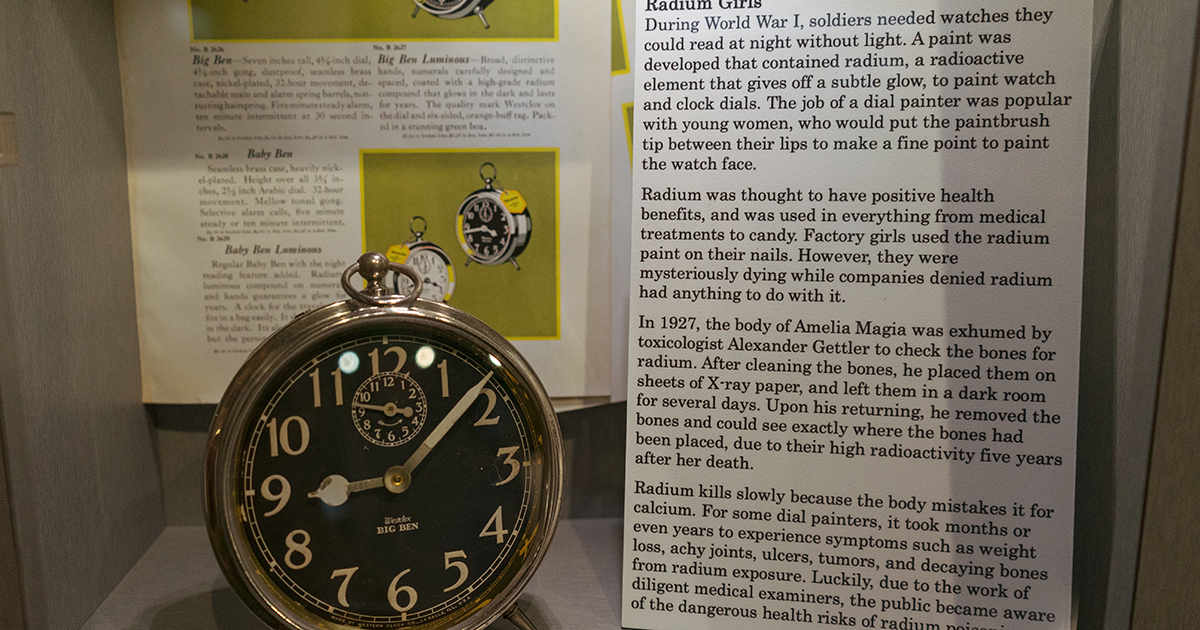
In the early 1920s, hundreds of young women across New Jersey, Illinois, and Connecticut sat at factory benches painting luminous numbers onto watch dials. The paint they used, a radium-based compound sold under the brand name “Undark,” glowed in the dark and was considered glamorous work. Their supervisors told them to point their brushes with their lips to get a fine tip. Some women painted their nails with the leftover paint, or their teeth, for a party trick. The factory managers were aware of the radioactive nature of the paint. The workers were not warned of any danger.
According to a history.com report on the Radium Girls, a mid-1920s study led by Newark pathologist Harrison Martland revealed high radioactivity levels in both living and dead dial painters, essentially diagnosing them with radium poisoning. Their jaws were disintegrating. Their bones were fracturing spontaneously. By 1927, more than 50 women had died because of radium paint poisoning.
When the workers tried to sue, they hit a wall. It took two years for Grace Fryer to find a lawyer who would go up against U.S. Radium. In the late 1920s, the U.S. Radium Corporation refused to admit to any wrongdoing, insisting the women were suffering from syphilis. It also buried the results of an independent investigation led by a Harvard physician who had identified radium as the likely cause. Accusing unmarried working women of venereal disease was a deliberate strategy to discredit them in court and in the press.
The case became one of the first instances in the United States in which employers were held liable for the health and safety of their employees, and its legacy included the creation of workplace safety regulations and government oversight organizations like OSHA. The women paid for that precedent with their lives.
2. Japan’s Unit 731 and the Immunity Deal Nobody Talks About

Most people know something about the Nazi medical experiments. Far fewer know about Unit 731, a Japanese Imperial Army division that ran a biological and chemical weapons program in occupied Manchuria between 1936 and 1945, and which, in many respects, was worse.
Led by Surgeon General Shiro Ishii, Unit 731 began its experiments in earnest after Japan invaded China in 1937, using the country’s civilian population as test subjects. Reporting from allthatsinteresting.com details how the unit conducted experiments on large numbers of prisoners, mostly Chinese or Korean civilians. The facility was disguised as a lumber mill. Prisoners were referred to internally as “logs.”
The unit performed surgeries on victims while they were conscious and without anesthesia. Some prisoners were infected with cholera or plague, and researchers removed their organs before decomposition could set in. Many researchers received immunity from prosecution in exchange for sharing their data with the United States. That exchange, biological weapons data for freedom, meant that the scientists who ran Unit 731 went home, resumed their careers, and in some cases became prominent figures in Japanese medicine and academia. Unlike the Nuremberg trials, there was no public reckoning. The United States decided the research was too valuable to discard on principle.
3. The Engineer Who Poisoned the Planet Twice
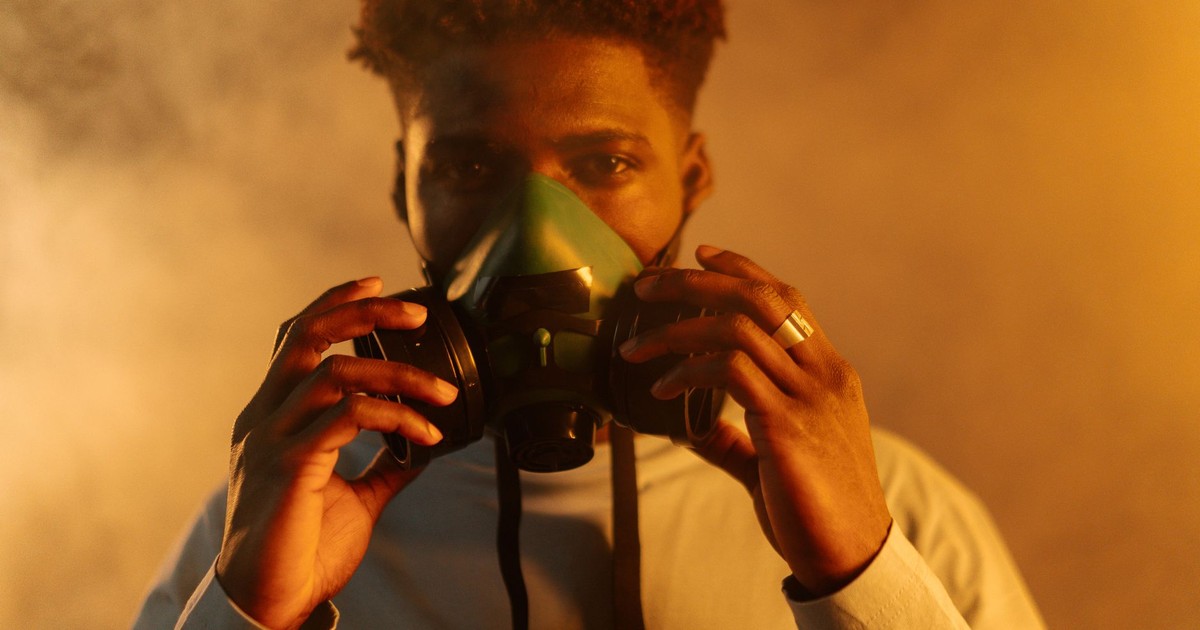
Thomas Midgley Jr. won the Priestly Medal, the highest honor in American chemistry, and held more than 100 patents by the end of his career. He also played a central role in two of the most consequential environmental disasters of the 20th century, and he did it twice in the same lifetime.
He was instrumental in developing both leaded gasoline and some of the first chlorofluorocarbons (CFCs). Both products were later banned due to their harmful impact on human health and the environment. Leaded gasoline, which Midgley helped introduce to mass production in the early 1920s, pumped tetraethyl lead into the air of every city on earth for the better part of a century. The neurological effects of lead exposure, lower IQ, increased aggression, developmental damage in children, affected entire generations. Then Midgley turned his attention to refrigerants, invented CFCs, and began the process of destroying the ozone layer.
While the harmful effects of CFCs weren’t understood until decades after Midgley’s death, tetraethyl lead was known to be acutely toxic by those involved in its development. Midgley himself suffered lead poisoning during his own research. His response was to hold a press conference, wash his hands in leaded gasoline in front of reporters, and breathe its vapors to demonstrate it was safe. He was hospitalized shortly afterward. The gasoline went into production regardless.
Midgley contracted polio in 1940 and was left severely disabled. In 1944, he was found strangled by a device he had built to help himself get out of bed. The coroner ruled it a suicide.
4. The Guatemalan Experiment the US Government Ran and Hid for Decades
In 1946, American public health researcher John Cutler traveled to Guatemala with a specific purpose: to deliberately infect prisoners, soldiers, psychiatric patients, and orphaned children with syphilis, gonorrhea, and other sexually transmitted infections. The project was funded by the U.S. government and ran until 1948. It was kept secret for over 60 years.
Medical historian Susan Reverby uncovered the Guatemala study documents in 2005 while conducting archival research on the Tuskegee syphilis study at the University of Pittsburgh. Her findings became public in 2010, and President Obama formally apologized to Guatemala that same year. The experiment had infected approximately 1,300 people. Many received no follow-up care. The long-term health outcomes for survivors are largely unknown.
Cutler was simultaneously involved in the Tuskegee syphilis study, another U.S. government program that withheld treatment from Black men with syphilis, not to study infection, but to observe what happened when the disease was left to progress untreated. That study ran from 1932 to 1972. Participants were told they were receiving treatment for “bad blood.” They were not. By the time the program ended, at least 128 men had died of syphilis or related complications, and 40 wives had been infected.
5. The 1518 Dancing Plague That Killed People Through Sheer Exhaustion
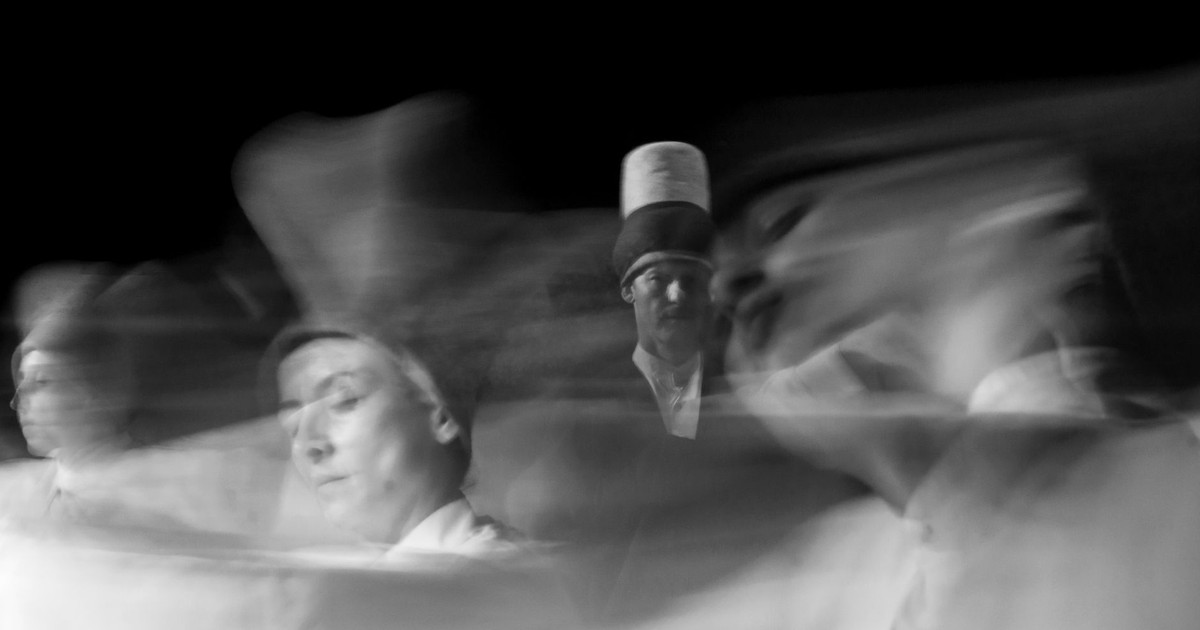
In July 1518, a woman named Frau Troffea stepped into a narrow cobbled street in Strasbourg and began to dance. She kept dancing for days. Within a week, thirty-four people had joined her. Within a month, the number had reached four hundred. Physicians and city authorities had no explanation for what was happening.
Frau Troffea had no musical accompaniment but simply began to dance. Victims’ arms would thrash violently, their eyes appeared vacant and expressionless. Blood pooled into their swollen feet and they bled into their shoes. Some cried out for help. Those who didn’t succumb to heart attacks collapsed from exhaustion, hunger, and thirst.
Physicians rejected supernatural explanations and instead attributed the phenomenon to “hot blood,” a theory based on the medicine of the time, suggesting an excess of bodily heat caused uncontrolled movement. Their prescribed treatment was to provide music and a stage, on the theory that the dancers needed to dance it out. Some accounts claim as many as 15 deaths per day at the outbreak’s peak, though historians debate the exact toll.
The most widely accepted explanation among modern researchers is mass psychogenic illness, a collective stress response so severe it became physical. Strasbourg in 1518 had recently been devastated by famine, disease, and extreme cold. The body, apparently, has its own ways of breaking under pressure.
6. The Most Fraudulent Election Ever Recorded

Most discussions of electoral fraud focus on modern examples. The actual record-holder for the most fraudulent election in documented history is a 1927 contest in Liberia, and it makes anything from the contemporary era look restrained.
According to Africanews, with only about 15,000 registered voters, President Charles D.B. King received around 243,000 votes, compared to 9,000 for his opponent Thomas Faulkner. The 1927 election made it into the Guinness Book of Records as the most fraudulent election ever reported in history, and was called “the most rigged ever” by Francis Johnson-Morris, a modern head of the country’s National Elections Commission. That is a margin of victory built entirely from votes that did not exist, cast by people who were not registered, in an election whose result was announced before most ballots had been counted.
The irony goes deeper. Liberia was founded in 1847 partly as a refuge for freed American slaves, and was celebrated in certain American circles as a model of Black self-governance. By 1927, the country’s ruling Americo-Liberian elite had built a system of forced labor and exploitation of indigenous Liberians that bore considerable resemblance to the plantation structures their founders had fled. The election fraud was, in some ways, the least of it.
7. The Corpses Used as Milestones on Everest
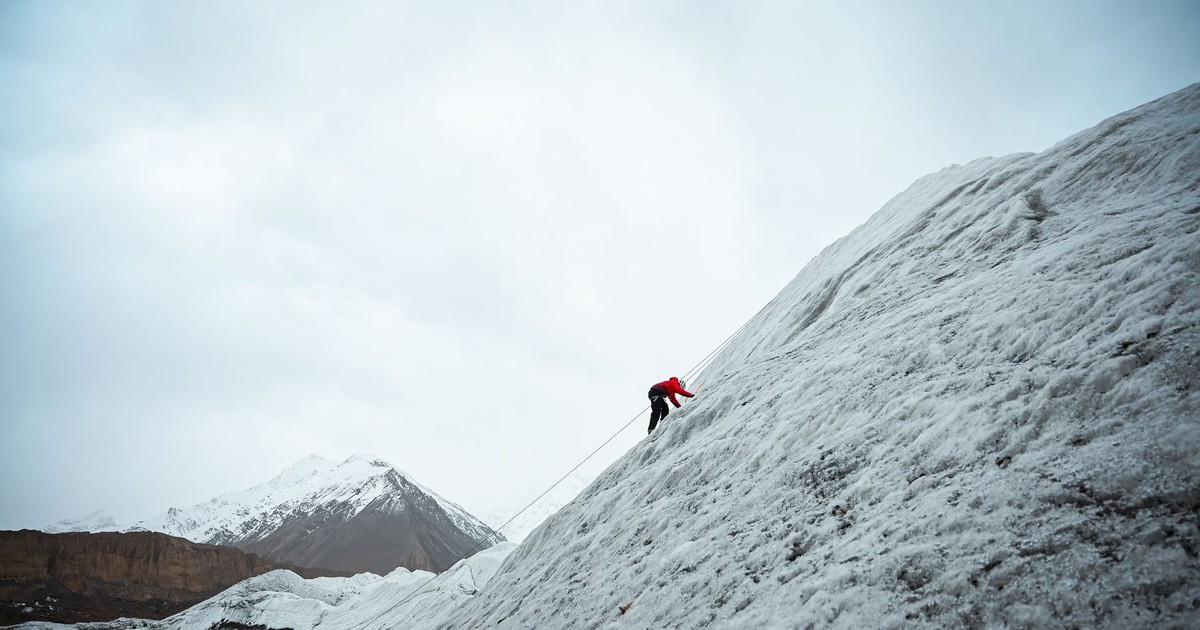
Mount Everest has a specific problem that mountaineering culture has spent decades learning to talk around. The bodies don’t come down. High on the mountain, above roughly 8,000 meters in what climbers call the Death Zone, the combination of extreme cold, technical difficulty, and thin air makes recovering remains almost impossible. So they stay where they fell.
Climbers use corpses as waypoints while ascending Mount Everest. One of the most well-known is a climber who died in 1996 and whose brightly jacketed body lay visible from the main trail for years, used by expedition teams as a marker for altitude and route. He is not alone. Some estimates put the number of unrecovered bodies on the mountain at well over 200. Some lie just off the standard route where thousands of climbers pass them each season.
Beyond the obvious, this tells you something about the sport’s relationship with risk and dignity. The mountain has a waiting list. Permits cost tens of thousands of dollars. Guided expeditions run on tight schedules, and stopping to attempt a recovery can kill the rescuers. So the bodies accumulate, season by season, and climbers walk past them on the way to the summit. Some have become so familiar that they’ve acquired names.
8. The Sedatives Given to Millions of Pregnant Women Despite the Warnings

In the late 1950s and early 1960s, a sedative called thalidomide was prescribed to pregnant women across Europe, Australia, Canada, and parts of Asia to manage morning sickness and insomnia. It was marketed as completely safe. In fact, it caused severe birth defects, particularly affecting limb development in utero, when taken during the first trimester. Approximately 10,000 children were born with thalidomide-related disabilities. Thousands more were stillborn.
The FDA official who refused to approve thalidomide for the US market, Frances Kelsey, did so based on her concern that the drug’s safety data was insufficient, and was subjected to sustained pressure from the manufacturer to approve it quickly. She held her position. The drug never reached mass distribution in the United States. Her decision almost certainly prevented tens of thousands of birth defects on American soil, and in 1962 she received the President’s Award for Distinguished Federal Civilian Service from John F. Kennedy.
The part that is less often told is that thalidomide wasn’t pulled from global markets at the first sign of trouble. Reports of birth defects from doctors in Germany and Australia began circulating in 1960 and 1961. The drug remained on sale in some countries until 1962. The manufacturer initially denied any connection between thalidomide and the defects being observed. By the time it was withdrawn, an entire generation of children had been harmed by a drug that the company had internally flagged concerns about long before it reached pharmacy shelves.
9. The Victorian Grave-Robbing Industry That Supplied Medical Schools
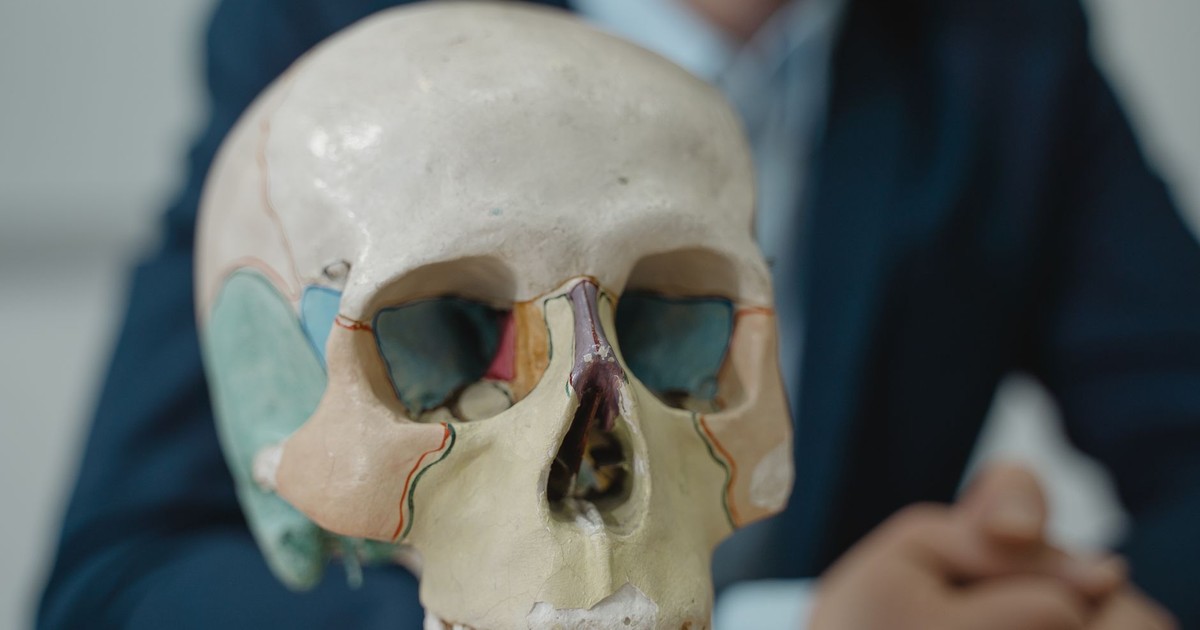
Medical education in 18th and 19th century Britain had a specific, practical problem: anatomy required bodies, and the law provided almost none. Until 1832, only the bodies of executed murderers could legally be used for dissection. Medical schools needed far more cadavers than the criminal justice system could supply. So the market found a solution.
Body snatchers, known as “resurrection men,” operated as a professional trade across Britain from roughly the 1740s through the 1820s. They exhumed recently buried corpses and sold them to anatomy schools, typically for fees of between four and ten guineas per body, a substantial sum at the time. The trade was so established that families of the newly dead would hire overnight guards to sit with fresh graves, or purchase iron grave covers called “mortsafes” to prevent exhumation. Cemeteries in wealthier areas installed watchtowers.
The industry came to a head with the Burke and Hare murders of 1828, in which two Edinburgh men skipped the grave-robbing entirely and began murdering lodgers to sell the bodies to the anatomist Robert Knox. They killed 16 people before being caught. William Burke was hanged and publicly dissected; Hare turned king’s evidence and was released. Knox, despite receiving the bodies of multiple murder victims, was never prosecuted. The scandal prompted the Anatomy Act of 1832, which expanded the legal supply of bodies for dissection and effectively ended the body-snatching industry by undercutting its economics.
10. The Lead in the Air That Shaped Fifty Years of History
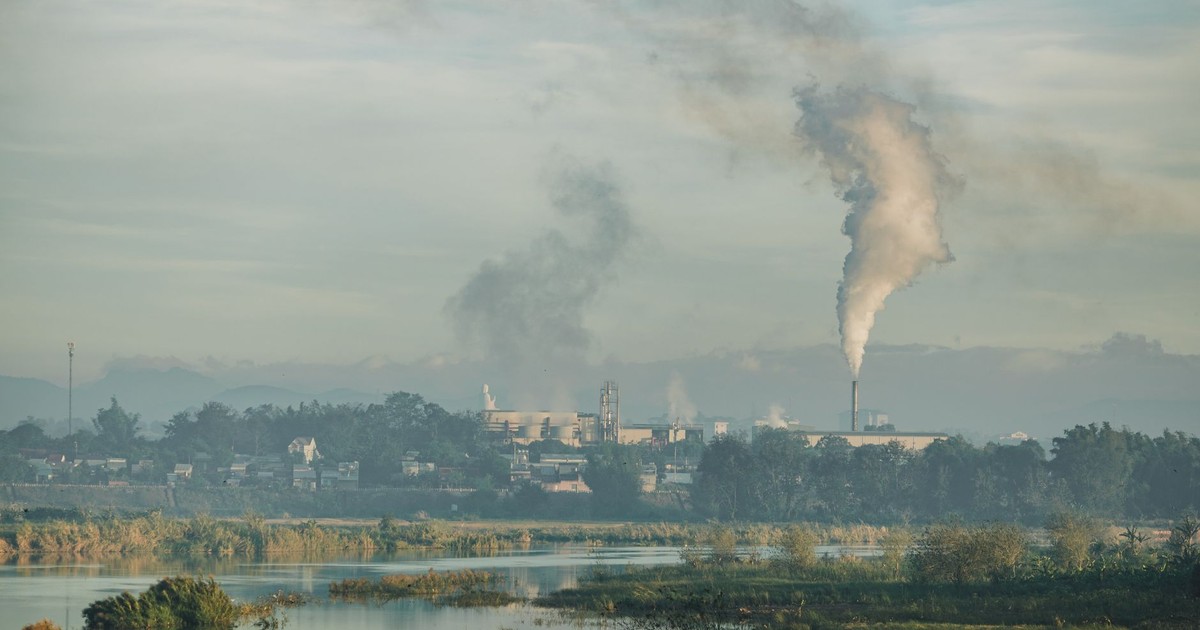
For most of the 20th century, the world ran on leaded gasoline. From the mid-1920s onward, tetraethyl lead was added to petrol as an antiknock agent, and the exhaust from hundreds of millions of cars released lead particles into the atmosphere of every city on the planet. Lead is a neurotoxin. There is no safe level of exposure. Its effects on the developing brain include reduced IQ, impaired impulse control, increased aggression, and attention deficits.
Researchers who have studied the relationship between atmospheric lead levels and crime rates have found a striking correlation: in countries that phased out leaded gasoline earlier, violent crime rates dropped roughly 20 years later, consistent with the time it takes for children born during peak-lead years to reach peak-crime ages. The US phased out leaded gasoline between 1975 and 1996. Crime rates fell sharply in the late 1990s.
The full scale of the neurological damage caused by a century of atmospheric lead is still being calculated. The executives who lobbied for decades to keep lead in gasoline faced no meaningful legal consequences. The last country in the world to phase out leaded petrol for road vehicles was Algeria, which did so in 2021, nearly a hundred years after the additive was first introduced.
What to Do With All of This
Most of the events on this list didn’t happen in spite of functioning institutions. They happened inside them, authorized and recorded and sometimes celebrated. The Radium Girls had a Harvard-backed report buried against them. The Unit 731 researchers were offered immunity by the same nation that ran the Nuremberg trials. Thalidomide was marketed through official pharmaceutical channels by a company whose own documentation had raised red flags.
The history of what gets hidden and what gets prosecuted has less to do with the severity of the act than with who benefits from keeping it quiet. The specific names change. The industry changes. The denial looks the same.
AI Disclaimer: This article was created with the assistance of AI tools and reviewed by a human editor.