
Two ICE agents shot and killed two U.S. citizens in Minneapolis within 17 days. Neither agent had a body camera. The two deaths, Renee Good on January 7 and Alex Pretti on January 24, ignited a national reckoning about what happens when a federal law enforcement agency operates largely unrecorded.
The Department of Homeland Security announced this week that half of all ICE field offices now have body cameras for agents, with the remainder expected to get them within 60 days. The announcement came in the immediate aftermath of two more fatal shootings in Texas and Maine, where ICE agents again were not wearing cameras.
At least nine people have been killed since the Trump administration’s immigration enforcement campaign began last year. No one has been charged in connection with the deaths. The federal government has suggested state prosecutors don’t have jurisdiction to investigate federal officers. That legal grey zone, combined with the absence of footage, has left families, local governments, and courts with almost nothing concrete to work from.
How ICE Got Here: A Years-Long Camera Deficit
The Brennan Center for Justice notes that U.S. Immigration and Customs Enforcement launched a body camera pilot program in 2021 that equipped agents in select cities with cameras during certain operations. Those early tests were narrow in scope, focused on specific cities, and largely kept camera use optional outside of designated operations.
After conducting pilot tests in Houston, New York, and Newark, among other jurisdictions, the agency expanded its effort in March 2024, rolling out more than 1,000 body cameras to agents in five cities: Baltimore, Philadelphia, Washington D.C., Detroit, and Buffalo. By late 2024, ICE had deployed 1,600 cameras to agents. For an agency of that size, that number represented a small fraction of the workforce.
In May 2022, President Biden signed an executive order mandating the use of body cameras by federal law enforcement. ICE implemented a policy in January 2024 requiring most officers to wear body cameras during all aspects of ICE enforcement activities, with certain investigative exceptions. That mandate didn’t survive the change in administrations. As CNN reports, President Trump rescinded that directive in an executive order at the start of his second term in January 2025.
Prior to the recent government shutdown, the Trump administration had initially proposed cutting funding and staffing for ICE’s body-worn camera program. That position shifted only after Minneapolis.
Minneapolis, and the Moment Everything Changed
Renee Good, a 37-year-old mother of three, was shot and killed in her vehicle on January 7, while leaving an anti-immigration enforcement protest in Minneapolis. According to PBS NewsHour, her death and that of Pretti, a 37-year-old intensive care nurse shot and killed by federal officers just weeks later during a January 24 protest, sparked outrage across the country.
The Minneapolis immigration crackdown, dubbed “Operation Metro Surge,” was billed as the largest immigration enforcement operation ever. It ended in February after thousands of ICE agents withdrew from the state. Neither Good nor Pretti was the intended target of the enforcement operations, officials confirmed.
In February, after the pair of fatal shootings by immigration agents, then-Secretary of Homeland Security Kristi Noem said the agency would “rapidly acquire and deploy body cameras to DHS law enforcement across the country” as funding became available. She ordered immediate body camera use in Minneapolis. But the full nationwide rollout required money Congress had not yet appropriated.
Congress ultimately approved $20 million in extra funding for DHS body cameras as part of a bill to end the partial government shutdown in April. The fiscal year 2026 funding for DHS allocates that $20 million for the “procurement, deployment and operations” of body cameras for agents and officers. Noem was fired in March and replaced later that month by former Senator Markwayne Mullin of Oklahoma. Despite the leadership change, the financial commitment remained.
DHS plans to purchase more than 5,000 body-worn cameras with the $20 million provided by Congress. In March, then-ICE director Todd Lyons gave Congress a clearer picture of where things stood: about 3,000 agents had body cameras at that point, with 6,000 more on the way.
Texas, Maine, and the Consequences of an Incomplete Rollout
Five months after the Minneapolis pledge, the body camera gap became visible again. The agents involved in the fatal shooting of a Mexican national in Houston did not have body cameras, a Homeland Security spokesperson confirmed. DHS said the man rammed into a law enforcement vehicle and refused to follow several verbal commands before an ICE agent fired his weapon in self-defense. Without footage, those claims cannot be independently verified.
Similarly, the immigration agents in Maine involved in the Monday shooting of a 26-year-old Colombian father were also not equipped with body cameras, the Homeland Security spokesperson confirmed. Two fatal shootings, six days apart, both without camera footage.
The agency blamed the incomplete rollout on a monthslong lapse in DHS funding during the partial government shutdown earlier this year. A DHS spokesperson said the officers in Houston “had not been issued body-worn cameras due to back-to-back Democrat shutdowns.” Democratic Rep. Sylvia Garcia, who represents the Houston area, said the blame on the shutdown is “just ludicrous,” adding that ICE had been given $20 million specifically for this purpose. Garcia said Acting ICE Director David Venturella assured her in a recent phone call that all agents in the field will have access to body cameras by the end of July.
The political and oversight pressure that followed was swift. The lack of body cameras has frustrated oversight efforts, particularly in the judiciary. A federal judge in Chicago said she would require all federal agents who were part of Operation Midway Blitz to have their body cameras on during encounters with immigration protesters.
What the New Policy Actually Requires
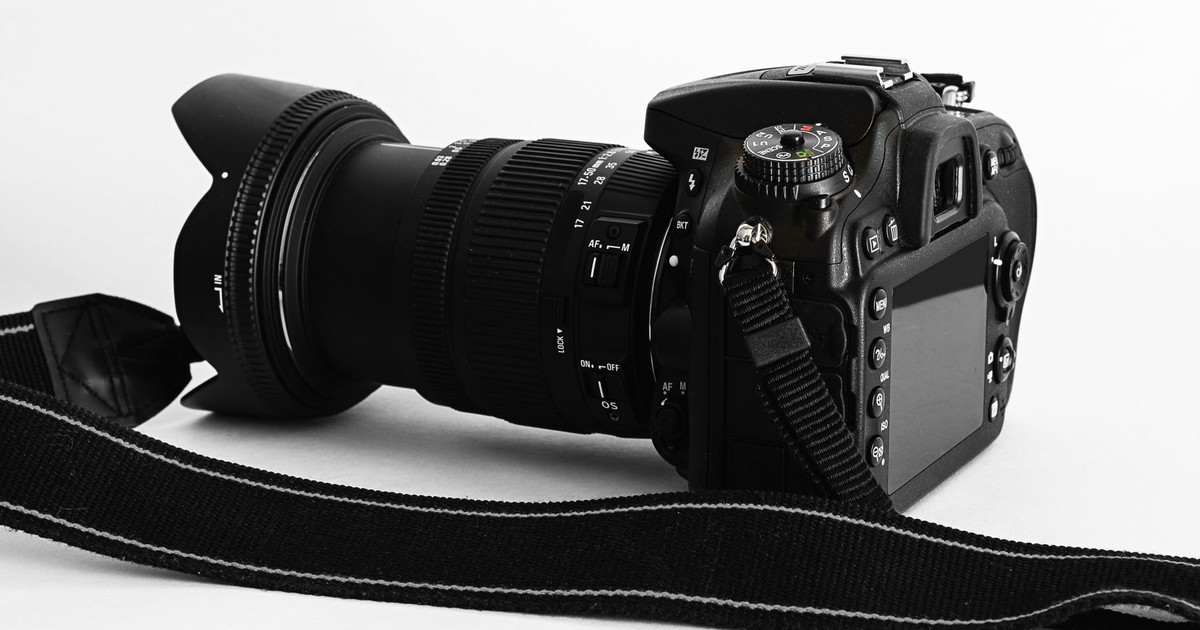
Following the Texas and Maine shootings, DHS announced a new operational standard. Every ICE arrest team will have at least one law enforcement officer equipped with a body-worn camera going forward, the Department of Homeland Security said.
The policy requires that one person on each arrest team wear a camera. Not every officer. Not every agent who exits a vehicle. One person per team. For a large enforcement operation, that may mean significant portions of any encounter go unrecorded, depending on positioning.
ICE officers across the country have been told they can resume traffic stops, but only if at least one officer involved is wearing a body camera. The guidance came after the White House publicly confirmed that ICE vehicle stops are continuing. Press secretary Karoline Leavitt said President Trump and DHS Secretary Mullin are “on the same page” that traffic stops remain “a necessary tool” for ICE agents carrying out the administration’s deportation campaign.
Border czar Tom Homan told CNN that “the body cameras have been ordered” and that “there’s a deployment schedule on the books,” with officers in each field office training to train others on body cam use.
The Oversight Problem Cameras Can’t Fully Solve

Body cameras are a tool, not a resolution. At stake is not simply whether cameras should be deployed, but whether they can meaningfully strengthen accountability in a system that operates largely outside traditional criminal justice structures.
Minnesota officials sued the Trump administration, saying federal officials were withholding evidence in the killings of U.S. citizens Alex Pretti and Renee Macklin Good by immigration agents, as well as the non-fatal shooting of a Venezuelan man. State officials say federal agents first agreed to work with them at the scenes of the shootings, then federal officials later took control of the evidence. At the Pretti shooting, federal authorities physically blocked state investigators from accessing the scene.
Evidence, including existing body camera footage from other officers, only became available after months of legal battles. Hennepin County Attorney Mary Moriarty said the evidence turned over by federal investigators included previously withheld hard drives containing statements, police body camera video, and other materials in the Minnesota killings. They also turned over Good’s badly damaged SUV. The footage existed. It was withheld.
Federal immigration agents have also bristled at having their tactics recorded by FBI agents wearing body cameras. During one heated exchange last year, immigration agents who did not want to be captured on body camera footage refused to invite FBI agents along for an arrest operation.
A DHS spokesperson insisted that “ensuring all of our ICE law enforcement officers have body cameras nationwide is a top priority for DHS,” pointing to an increase in assaults against immigration agents. DHS has framed camera deployment as protection for officers and a rebuttal to what it describes as misinformation from critics. Camera policies govern when footage must be activated, who can access it, how long it’s retained, and what happens when recordings are incomplete or unavailable. None of those standards have been publicly detailed in the new DHS rollout.
What a Purchase Order Can’t Fix
The new policy requiring one camera per arrest team does not answer how footage will be stored or for how long, who outside DHS can access it and under what legal standard, what happens when the camera isn’t on or malfunctions, or whether footage withheld from state investigators can be compelled through the courts.
Those aren’t hypothetical concerns. They are the exact questions Minnesota prosecutors spent six months trying to force the federal government to answer, and largely failed to get resolved without litigation.
The 60-day timeline is real, the $20 million is appropriated, and the cameras are being purchased. The use of body cameras has largely garnered bipartisan agreement, particularly amid aggressive confrontations between federal agents and members of the public over the past year. That rare political consensus matters. It creates durable pressure for continued rollout even as leadership changes at DHS.
But the deaths in Houston and Maine happened in an agency that already had a body camera policy, already had cameras deployed to thousands of agents, and had received repeated pledges that full deployment was imminent. The cameras didn’t reach those officers. Whether that was a product of the government shutdown, procurement delays, or something else depends on who you ask, and there is no independent body currently positioned to give a definitive answer.
What the 60-day timeline offers is a concrete deadline and a stated standard. What it doesn’t offer is any accountability structure for what happens if that deadline passes and the cameras still aren’t there, or for ensuring that footage, once captured, can actually be used to hold anyone responsible. The Minneapolis families learned that the hard way: footage from other officers existed for months before the state could access it. Getting cameras into the field is step one. What happens to the recordings after that is a completely different fight.
Disclaimer: This information is not intended to be a substitute for professional medical advice, diagnosis, or treatment and is for information only. Always seek the advice of your physician or another qualified health provider with any questions about your medical condition and/or current medication. Do not disregard professional medical advice or delay seeking advice or treatment because of something you have read here.
AI Disclaimer: This article was created with the assistance of AI tools and reviewed by a human editor.